








“Don’t drink too much water before leaving home.” For countless Indian women, this isn’t health advice. It’s survival advice. Whether it’s a young office going woman travelling two hours to work, a street vendor standing at her stall all day, a domestic worker moving from one house to another, or a construction labourer working under the scorching sun, one question quietly shapes their day:“If I need a toilet, where will I go?”
13 Jul 2026 | 13:11
What’s one stereotype about women that you’re tired of hearing?
We often talk about women’s safety on streets, equal pay at workplaces and better representation in leadership. But there’s one issue that receives surprisingly little attention despite affecting millions every single day: access to clean, safe public toilets.Because when a woman can’t find a toilet, she doesn’t just experience discomfort. She changes her behaviour. She drinks less water. She cuts her journey short. She puts her health at risk.A public toilet isn’t just a convenience. It’s freedom for women.
The problem isn’t just the lack of toilets, it’s the lack of dignity
The problem isn’t simply about the number of toilets; it is also about where they are located.
India has made enormous strides in improving household sanitation. But once women step outside their homes, the reality changes dramatically.A report published in September 2025, ‘Status of Public Toilets for Women and Trans Queer Persons in Kolkata’, presents a scenario that is both alarming and familiar to women across Indian cities. Conducted by Kolkata-based Sabar Institute and the Azad Foundation, along with volunteers from eight colleges and two universities, the study surveyed more than 7,616 respondents.The study included women whose livelihoods depend on spending long hours outdoors. 43% were street vendors, 13.8% were domestic workers and 15.7% were retail salespersons. Researchers also interviewed 38 trans persons, highlighting that access to safe sanitation is an issue that affects multiple vulnerable communities.The report revealed that the problem isn’t simply about the number of toilets; it is also about where they are located.Out of Kolkata Municipal Corporation’s 144 wards, at least 23 have no public toilets for women at all. The missing facilities are concentrated in lower-income neighbourhoods. Meanwhile, wealthier areas tend to have better access to sanitation infrastructure.
Working women are paying the price: literally and physically
For women working in air-conditioned offices, finding a restroom may simply mean waiting until they reach work. But what about women whose workplace is the city itself? Construction workers. Street vendors. Delivery workers. Domestic workers. Drivers. Retail employees.These women often spend eight to ten hours outdoors, with little or no access to toilets. For a street vendor, leaving the stall to search for a washroom can mean losing customers and income.For a domestic worker travelling across neighbourhoods, every cup of water becomes a calculation. For a woman construction labourer, there may not even be a separate toilet at the worksite.
The financial burden adds another layer to the problem.
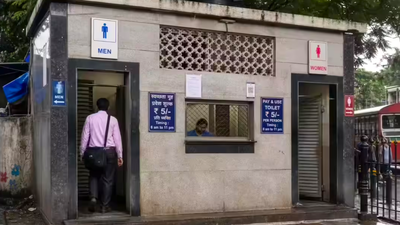
While cities continue investing in flyovers and underpasses, investment in public toilets has remained inadequate. (Photo Credit: Indian Express)
According to the report, 72.9% of women said they have to pay to use public toilets, with the cost consuming nearly 10% of their daily income. Unsurprisingly, 73.6% said they would prefer free public toilets, showing that even basic sanitation has become an expense many can barely afford.Researcher Sabir Ahamed, who was associated with the study, told that while cities continue investing in flyovers, underpasses and metro projects, investment in public toilets has remained inadequate.
Many women simply stop drinking water
Perhaps one of the most disturbing findings isn’t about infrastructure at all. It’s about what women do to cope. Many respondents admitted that they deliberately limit their fluid intake because they know they may not find a clean or safe toilet while travelling or working.Think about that. Women are knowingly risking dehydration, urinary tract infections and other health complications because public infrastructure leaves them with few choices.
Safety doesn’t end at the toilet door
Finding a toilet is one challenge. Feeling safe inside it is another. The report found that 54.32% of women said they feel unsafe while using public toilets. One major reason is the lack of privacy.Nearly 38.1% reported that toilet doors either had broken locks or no locks at all, leaving women worried about their safety every time they entered a public restroom.
Hygiene remains a daily battle
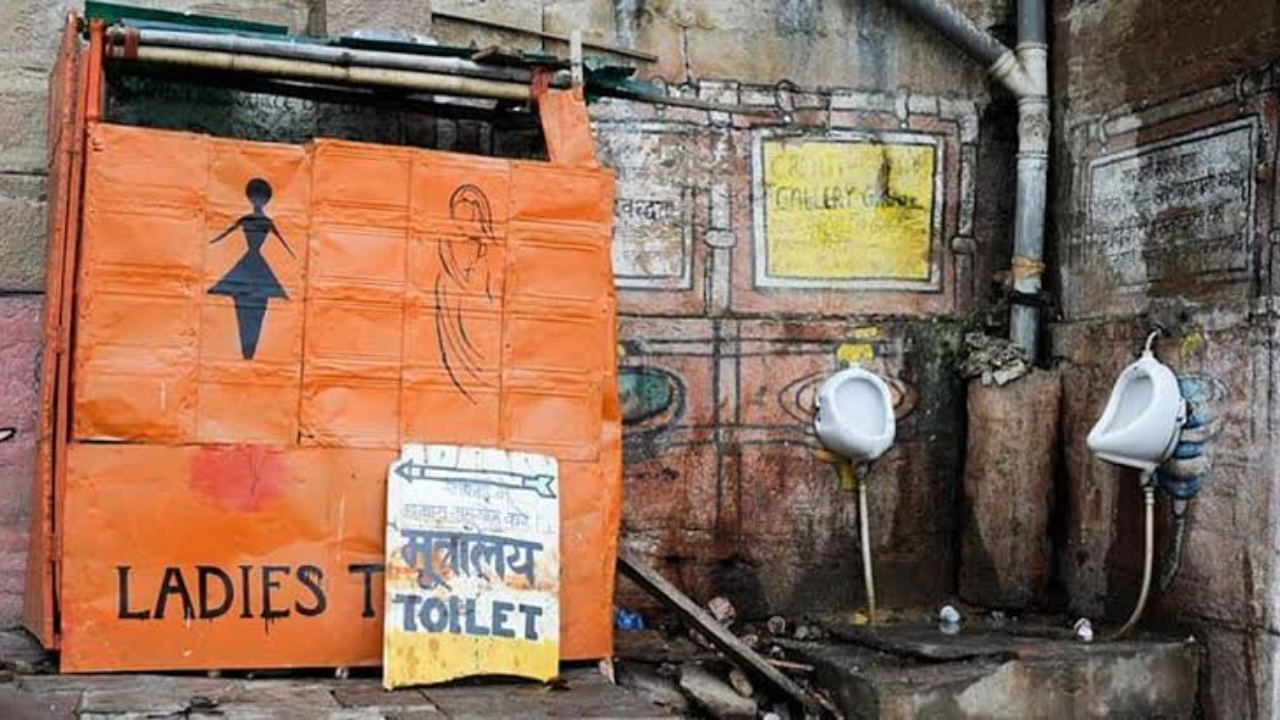
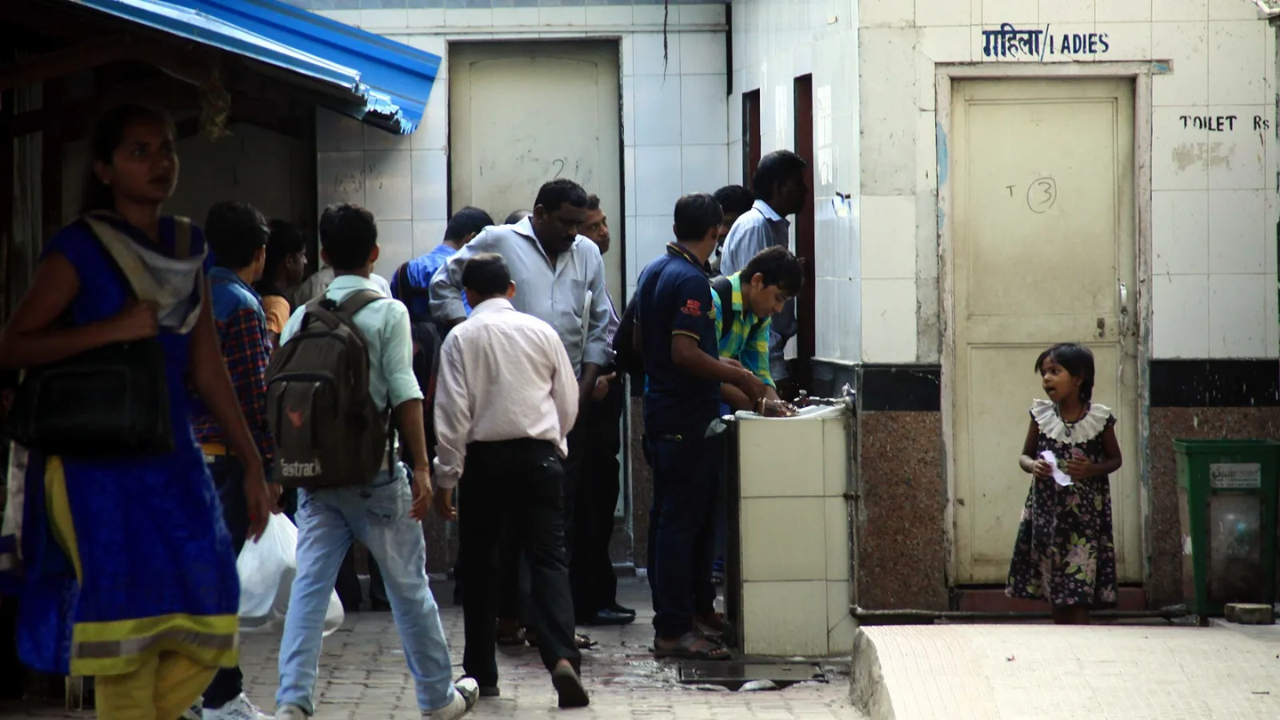
Representational photo.
Even when women find a public toilet, the experience is often far from hygienic. The report found that 60.78% of respondents said toilets lacked soap and handwashing facilities.55.64% identified poor cleanliness as one of the biggest problems, while 51.25% complained about the lack of clean water. 30.9% rated the toilets as either “dirty” or “very dirty.”For women during their periods, pregnancy or while travelling with children, they can become serious health concerns.
Too many commuters, too few toilets
The shortage becomes even more visible at India’s busiest transport hubs. Every day, lakhs of commuters pass through Kolkata’s railway stations. Yet Howrah Station has only 19 toilets for women, while Sealdah Station has just 24, as the report states.For women travelling long distances, that often means choosing between waiting in discomfort or avoiding drinking water altogether.
One problem, many women, different struggles
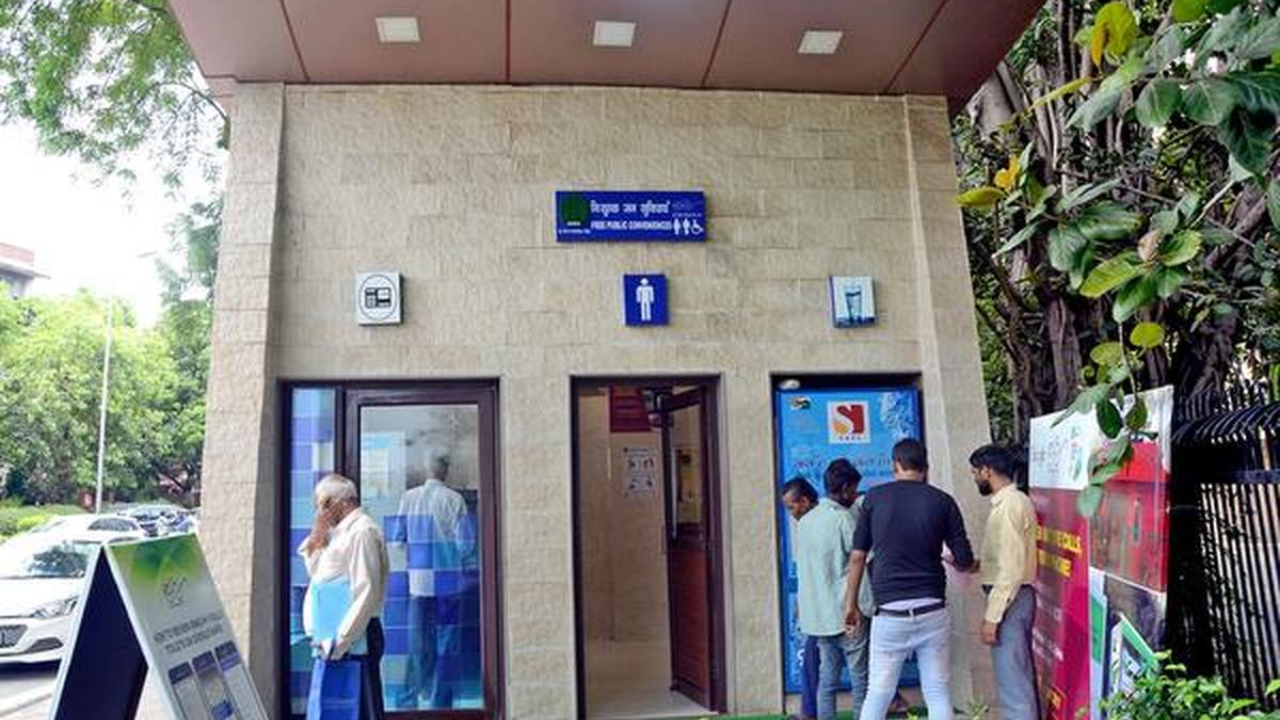
A lack of public toilets affects women in different way.
A lack of public toilets doesn’t affect all women in the same way. Depending on their work, age and circumstances, the consequences can be different.For office-goers: Every commute becomes a calculation For women who spend hours commuting by bus, metro or train, access to clean toilets often determines how much water they drink before leaving home. Many deliberately avoid even water during long journeys because they aren’t sure they’ll find a safe restroom on the way.For domestic workers: Constant travel, nowhere to stopThe survey also included 13.8% domestic workers, many of whom travel from one employer’s home to another throughout the day. Unlike office employees, they don’t have access to a dedicated workplace washroom. They often spend hours moving across neighbourhoods with no guarantee of finding a clean public toilet.For retail workers: Long shifts with limited accessRetail salespersons made up 15.7% of the respondents. Although they work indoors, many spend eight to ten hours on their feet. Smaller shops and local establishments often lack staff washrooms, forcing women to wait for breaks or depend on nearby public toilets that may be dirty, unsafe or paid.For construction labourers: Basic dignity is still missingWomen working at construction sites continue to face one of the harshest realities. Many sites either lack separate toilets for women or provide poorly maintained temporary facilities without running water or privacy. The lack of toilets is not only uncomfortable for these workers, it also affects their health, dignity and ability to stay in the workforce.For mothers, pregnant women and elderly women: The need is even greaterA pregnant woman may need frequent restroom breaks. A mother travelling with a young child often needs clean toilets for both herself and her child. Elderly women managing diabetes or other health conditions cannot simply “hold it in.” Yet these are the very groups that struggle the most when public toilets are unhygienic or inaccessible.
The bigger question: Can cities really be women-friendly without toilets?
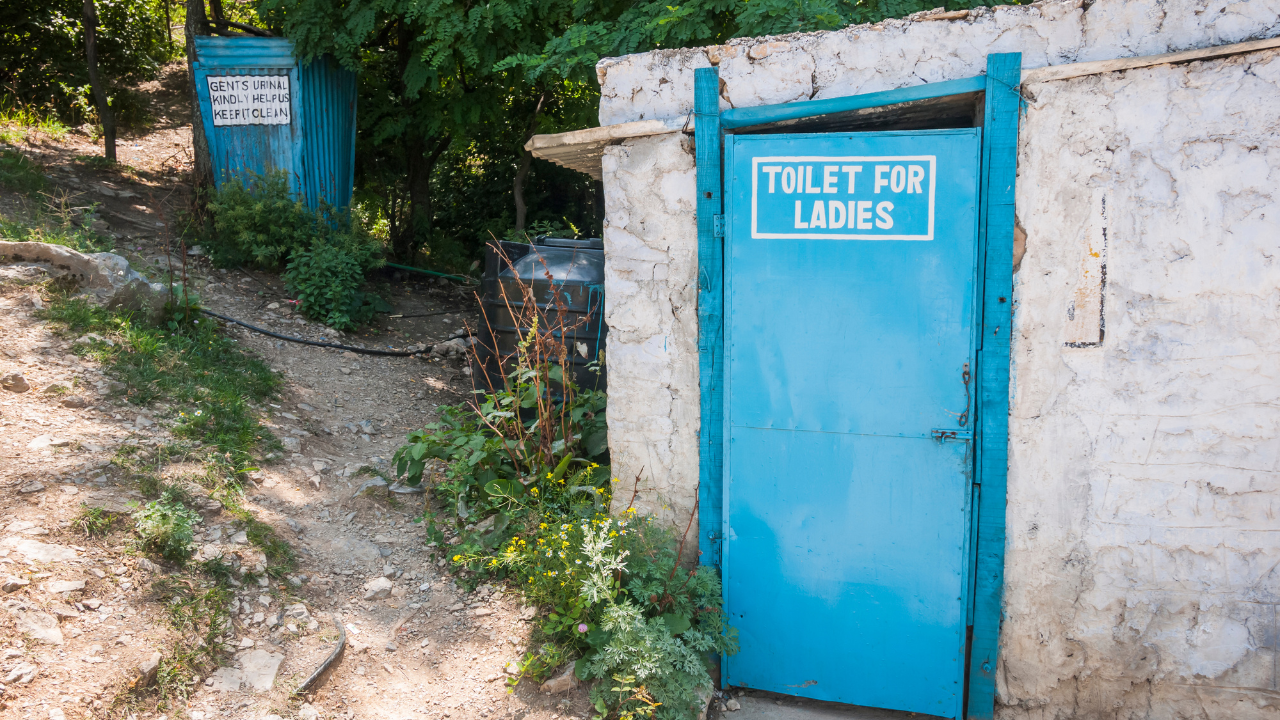
Mobility isn’t only about transport.
Cities proudly celebrate new flyovers, expressways and metro corridors. But can a city truly call itself inclusive if women still hesitate before drinking a glass of water because they don’t know where they’ll find a toilet?Mobility isn’t only about transport. It’s about whether women can comfortably spend hours outside: for work, education, shopping or leisure without worrying about a basic biological need.When something as simple as using a toilet becomes stressful, freedom is compromised.
Because dignity shouldn’t depend on a basic thing like toilet
We often celebrate women for breaking glass ceilings. But before they can reach boardrooms, classrooms, markets and workplaces, they need something far more basic. A safe place to use the toilet. Until every woman can leave home without calculating how much water she can drink, whether she can afford to pay for a toilet, or whether the door will even have a lock, our cities cannot truly claim to be inclusive.Perhaps the simplest test of whether a city is truly women-friendly is this: Can a woman spend an entire day outside without worrying about where she’ll find a clean, safe toilet? Until the answer is yes, the promise of equality will remain incomplete.Because public toilets are not a luxury. They are not a favour. They are a basic right and one that quietly determines how freely millions of women can live, work and move every single day.