






The moment you become a parent, you take on one of the most important responsibilities of your life. You promise yourself that you will love your child unconditionally, protect them from pain and give them everything you wished you had.
Yet, somewhere along the way, you realise that parenting is not only about raising a child. It is also about discovering yourself. As a psychologist, I have learnt that every child quietly reveals the parent behind the parent. Every tantrum, every disagreement and every emotional moment has the potential to teach you something, not just about your child, but about yourself.

Parents often walk into my clinic believing they have a child problem. They tell me about a son who refuses to study, a daughter who has become withdrawn, a toddler who throws tantrums or a teenager who spends all day behind a closed bedroom door. Their question is almost always the same. “What do I do with my child?”
The starting point
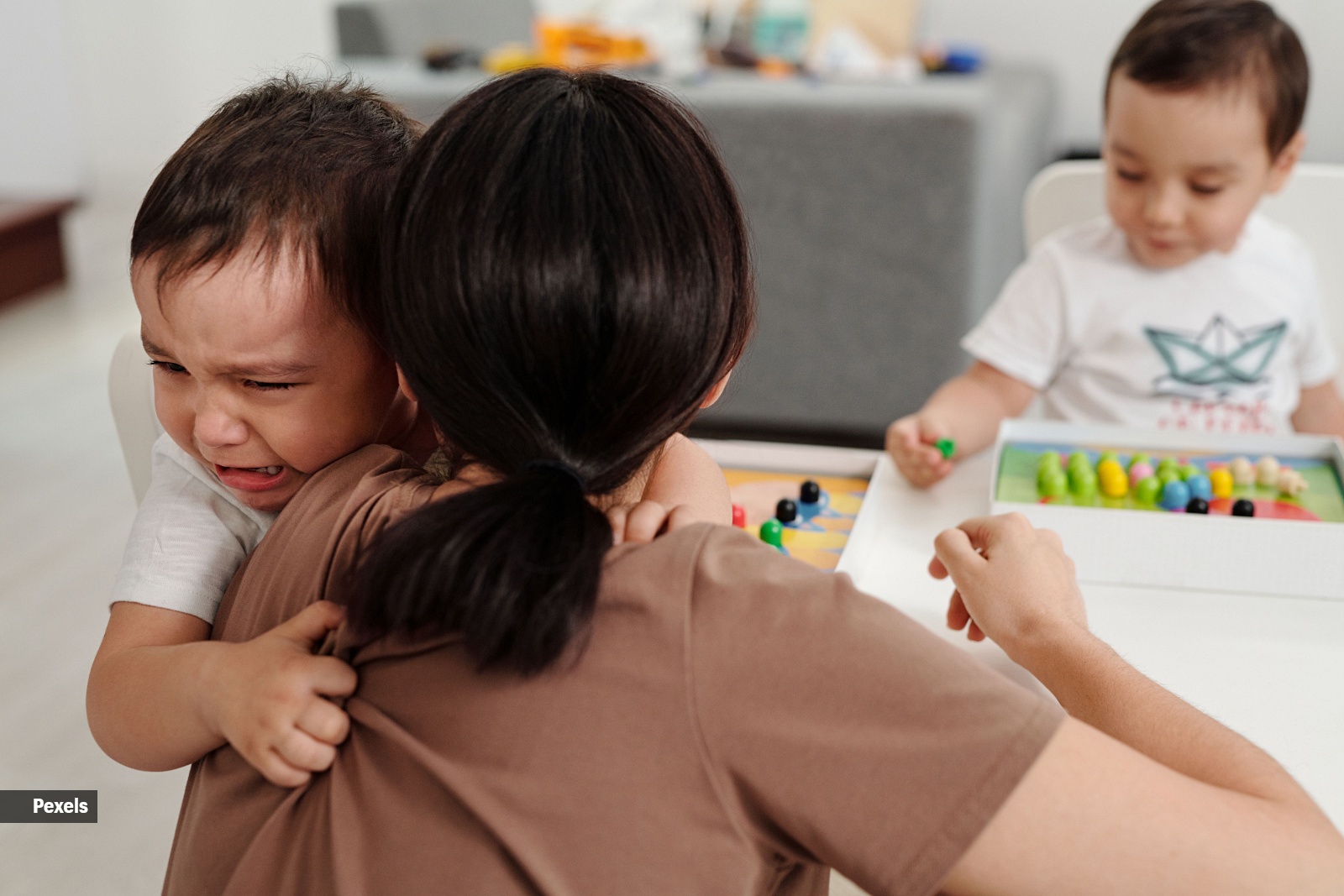 The parent who feels uncomfortable when their child cries often grew up believing emotions were a sign of weakness (Image: Pexels)
We begin by talking about the child, but somewhere during the session the conversation naturally shifts. The father who gets disproportionately angry over small mistakes remembers growing up in a home where perfection was expected. The mother who struggles to let her child become independent remembers feeling abandoned as a child.
The parent who feels uncomfortable when their child cries often grew up believing emotions were a sign of weakness. Slowly, the focus changes. What first appeared to be a child’s behaviour often turns out to be a parent’s history.
Your child has an incredible way of holding up a mirror. They reflect not only your patience and love but also your fears, insecurities and unresolved experiences. They unknowingly touch the parts of you that you may have ignored for years. Parenting becomes one of the few experiences in life that constantly invites you to examine your own emotional world. While your child is growing, so are you.
You were most likely raised with love. At the same time, you were also shaped by the emotional limitations of the environment you grew up in. Perhaps success mattered more than happiness. Perhaps obedience was valued more than curiosity. Maybe you were praised only when you achieved something, or perhaps you learnt that expressing sadness or anger was unacceptable. These lessons become deeply woven into the way you see yourself and the world. You may not even realise they exist until you become a parent yourself.
Familiar patterns repeat
Without noticing it, you may begin repeating familiar patterns. You hear your parent’s words coming out of your own mouth. You react more strongly than a situation demands. You become anxious when your child makes the same mistakes you once made. Sometimes you place expectations on your child that were once placed on you. At other times, you move to the opposite extreme.
If you grew up with excessive discipline, you may struggle to set boundaries. If you experienced emotional neglect, you may become so involved in every aspect of your child’s life that independence feels frightening. Although these behaviours look very different, they often come from the same place. They are attempts to protect your child from the pain you once experienced yourself.
 The question is not whether you will make mistakes as a parent. You absolutely will (Image: Pexels)
Recognising these patterns is not about blaming your parents. They raised you with the knowledge, culture and circumstances available to them. They were not perfect, and neither will you be. They carried wounds from their own childhood, just as you carry yours. Looking back with compassion does not excuse hurtful experiences, but it helps you understand where they came from. More importantly, it reminds you that every generation has the opportunity to do things a little differently.
The question is not whether you will make mistakes as a parent. You absolutely will. The real question is whether you are willing to become aware of those mistakes. Awareness changes everything. Instead of asking only, “Why is my child behaving like this?” you can also ask, “Why am I reacting this way?”
How to achieve real transformation
Instead of focusing only on changing your child’s behaviour, become curious about your own. That shift is often where real transformation begins. Your child does not need a perfect parent. Perfection is neither realistic nor necessary. What your child needs is an emotionally available parent.
They need an adult who can pause before reacting, admit when they are wrong and apologise sincerely. They need to know that making mistakes does not threaten love. Some of the most healing words a child can hear are “I am sorry. I should not have spoken to you like that.” An apology does not weaken your authority. It strengthens your relationship.
One of the biggest misconceptions about parenting is that your child learns only from what you teach them. In reality, they learn far more from what they experience. They watch how you handle stress, how you speak to your partner, how you treat people who disagree with you, how you cope with disappointment and whether you are kind to yourself when things go wrong. Long before they understand your words, they understand how your home feels.
That is why emotional safety matters so deeply. A child who feels safe expressing emotions grows into an adult who is more likely to understand and regulate them. A child who knows they can make mistakes without losing love develops confidence instead of fear. A child who is listened to learns that their voice matters. These everyday moments may seem ordinary, but they quietly shape a lifetime.
Parenting is also one of life’s greatest opportunities for healing. Every time you choose to listen instead of dismissing your child, you interrupt an old pattern. Every time you comfort instead of criticising, you create a new memory. Every time you encourage your child to express emotions that you were never allowed to express, you change the emotional legacy of your family. Healing does not happen through grand gestures. It happens through small, consistent moments of awareness and connection.
There will be difficult days. Days when exhaustion wins, tempers rise, and you hear your own parents in your voice. Those moments do not make you a bad parent. They make you human. What matters is what happens next. Do you reflect? Do you repair? Do you learn? Parenting is not about never getting it right. It is about being willing to grow together.