





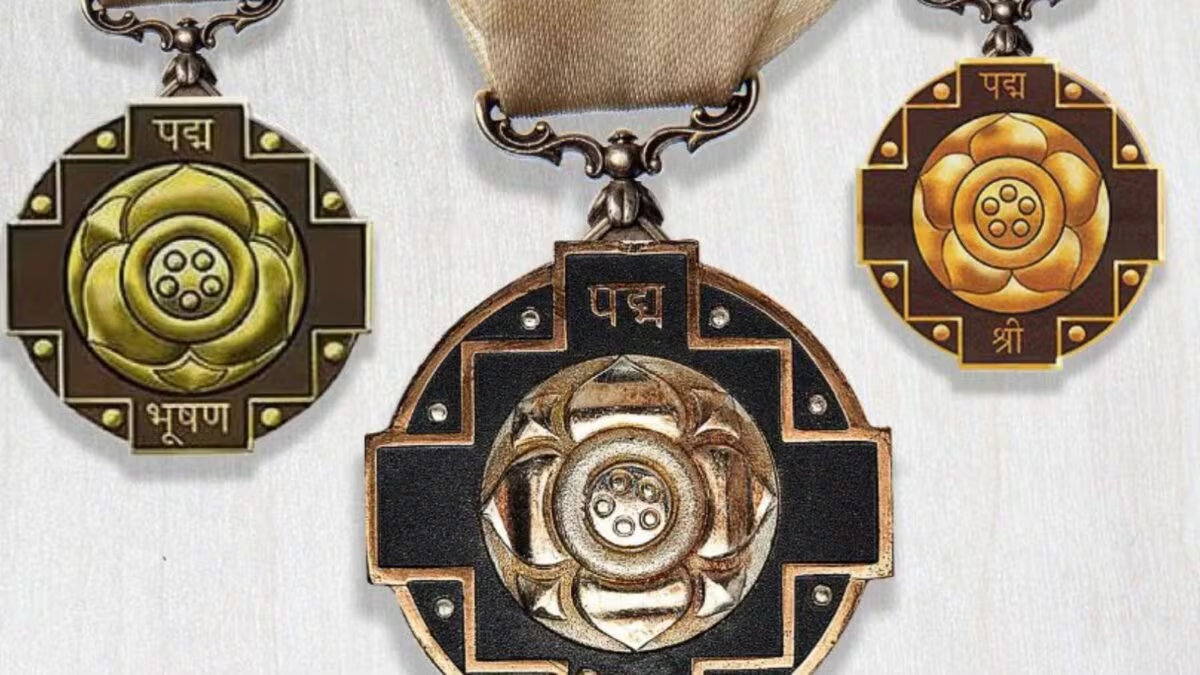
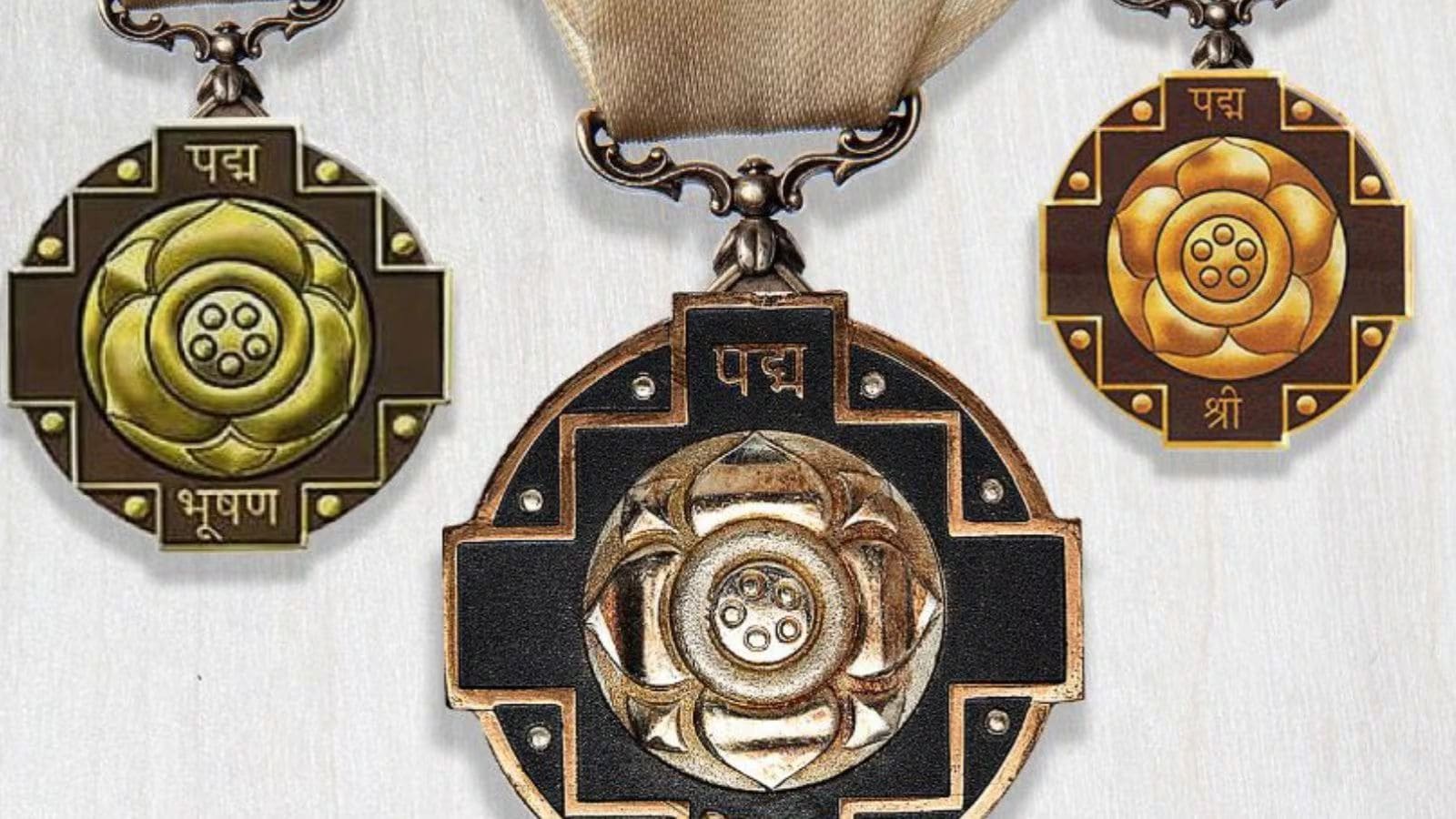
The Deep Meaning of ‘Padma’
Padma is the Sanskrit word for Lotus, a flower associated with celestial beauty. The true magic of the lotus lies in its nature: even though it grows in deep muck and muddy waters, it emerges perfectly clean, remaining utterly unsoiled.
This beautifully mirrors the journey of the awards’ recipients. Many of the unsung heroes honored each year come from very ordinary, humble backgrounds. They choose to work quietly among ordinary people to lift their communities. In doing so, just like a lotus rising from the mud, they themselves become extraordinary.
The Three Categories
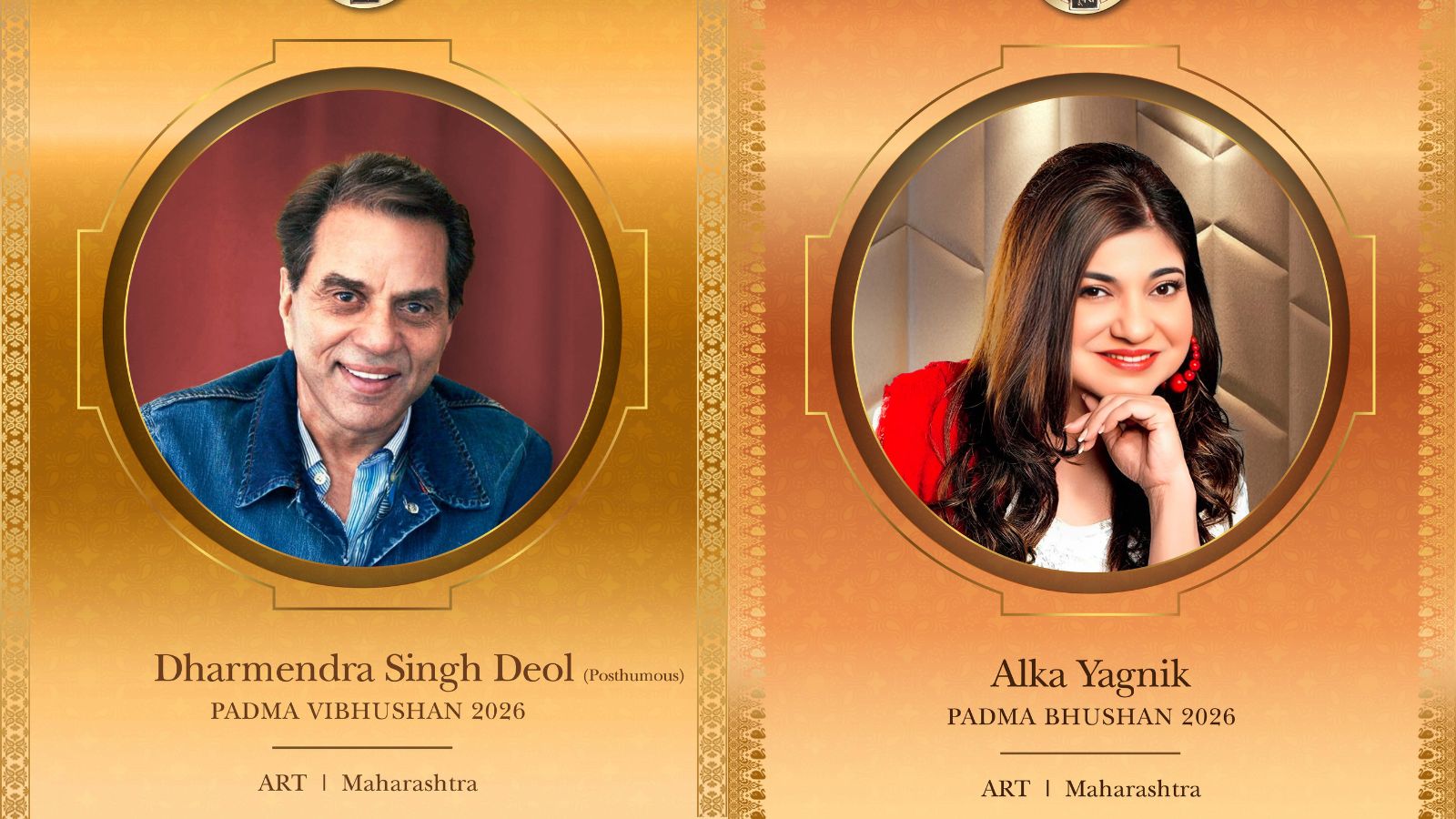
The awards recognize exceptional achievements across fields where public service is involved—ranging from Art, Medicine, and Social Work to Science, Literature, and Sports. They are divided into three distinct levels:
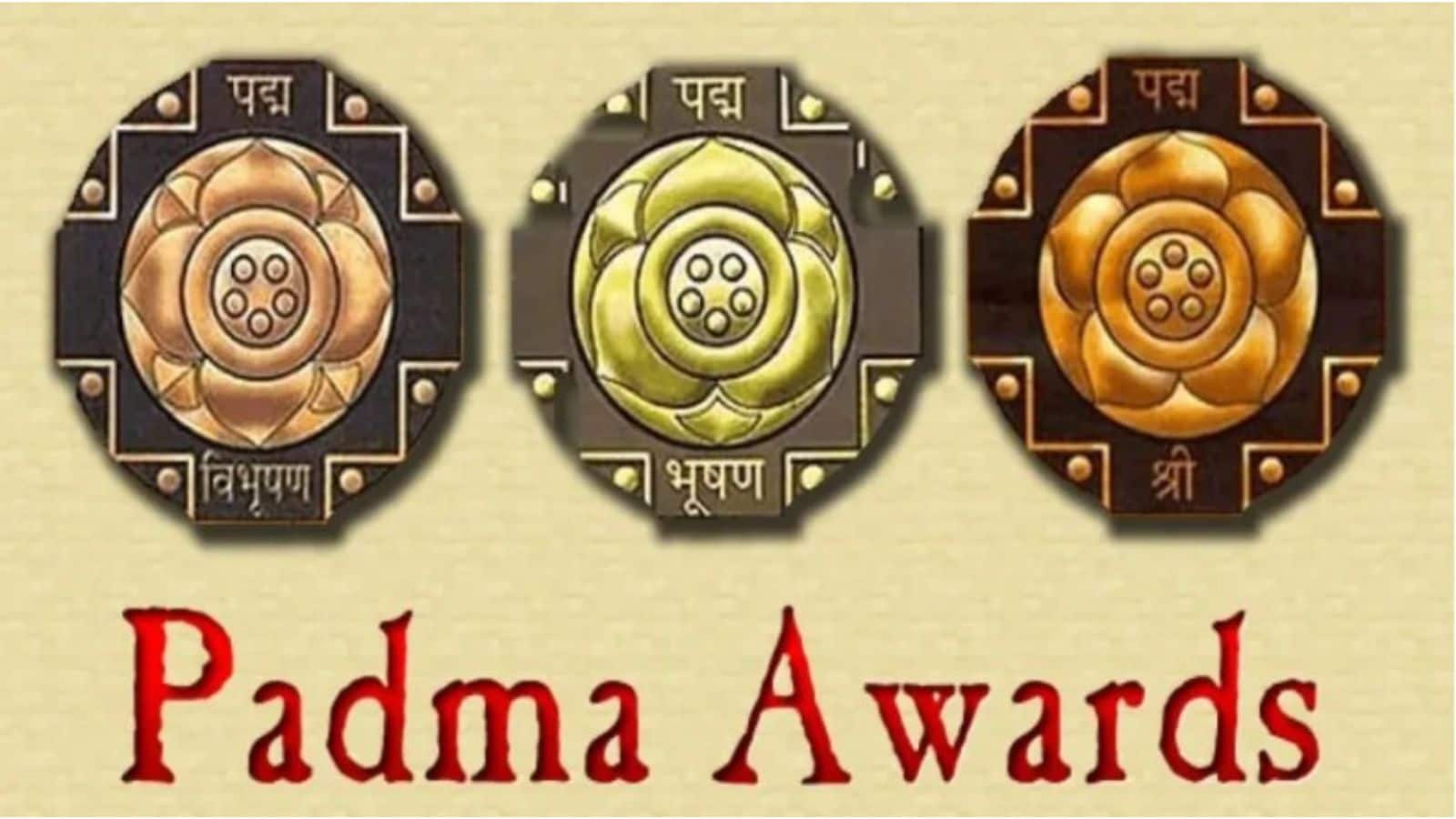
Padma Vibhushan: Awarded for exceptional and distinguished service (the highest tier).
Padma Bhushan: Awarded for distinguished service of a high order (the middle tier).
Padma Shri: Awarded for distinguished service (the third tier).
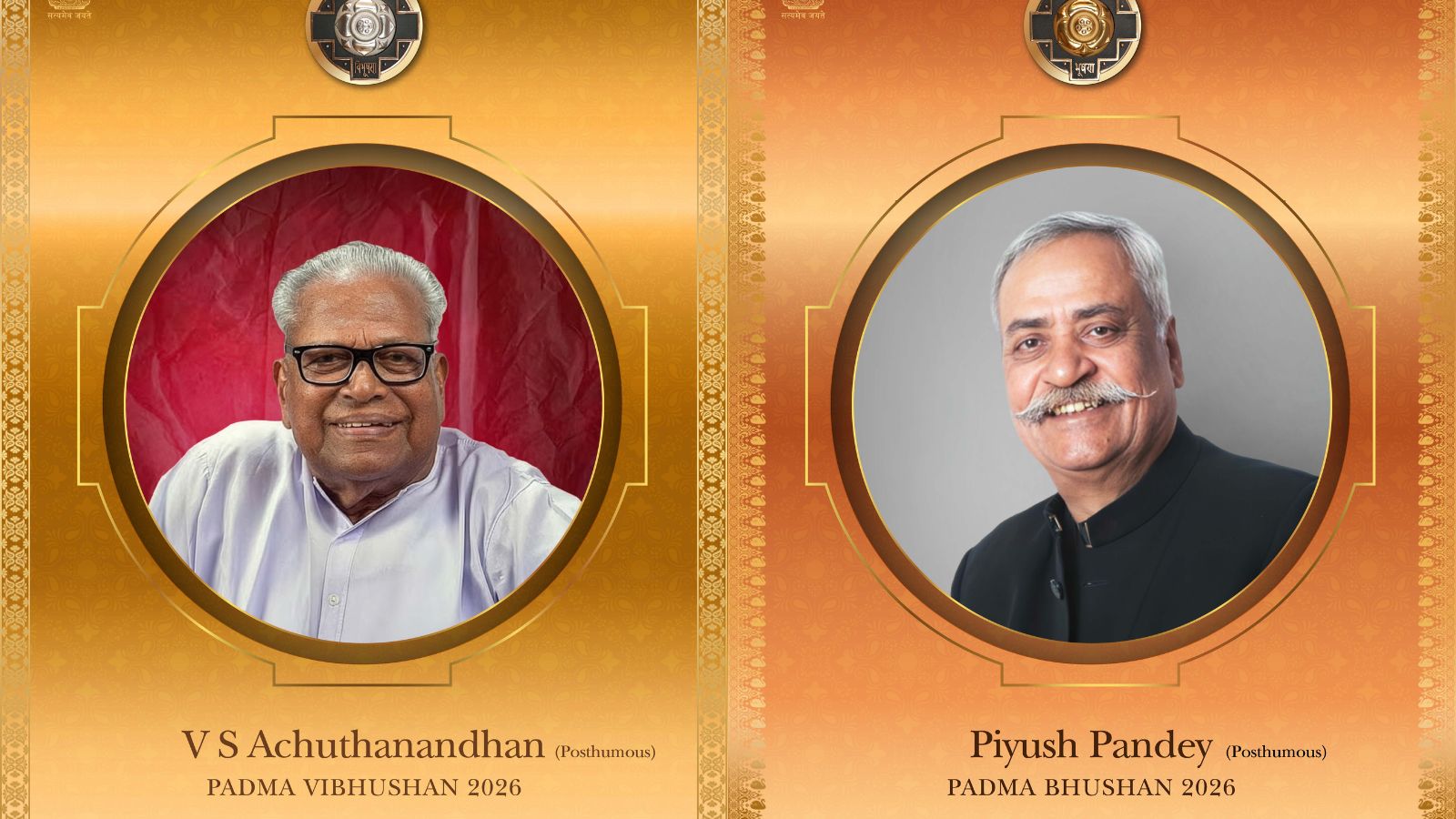
These awards were originally instituted by the Government of India in 1954 alongside the Bharat Ratna (the country’s absolute highest civilian award).
Initially, the award was actually called “Padma Vibhushan” but was split into three classes: Pahela Varg (First Class), Dusra Varg (Second Class), and Tisra Varg (Third Class). A Presidential Notification issued on January 8, 1955, officially changed those confusing names to the titles we use today: Padma Vibhushan, Padma Bhushan, and Padma Shri.
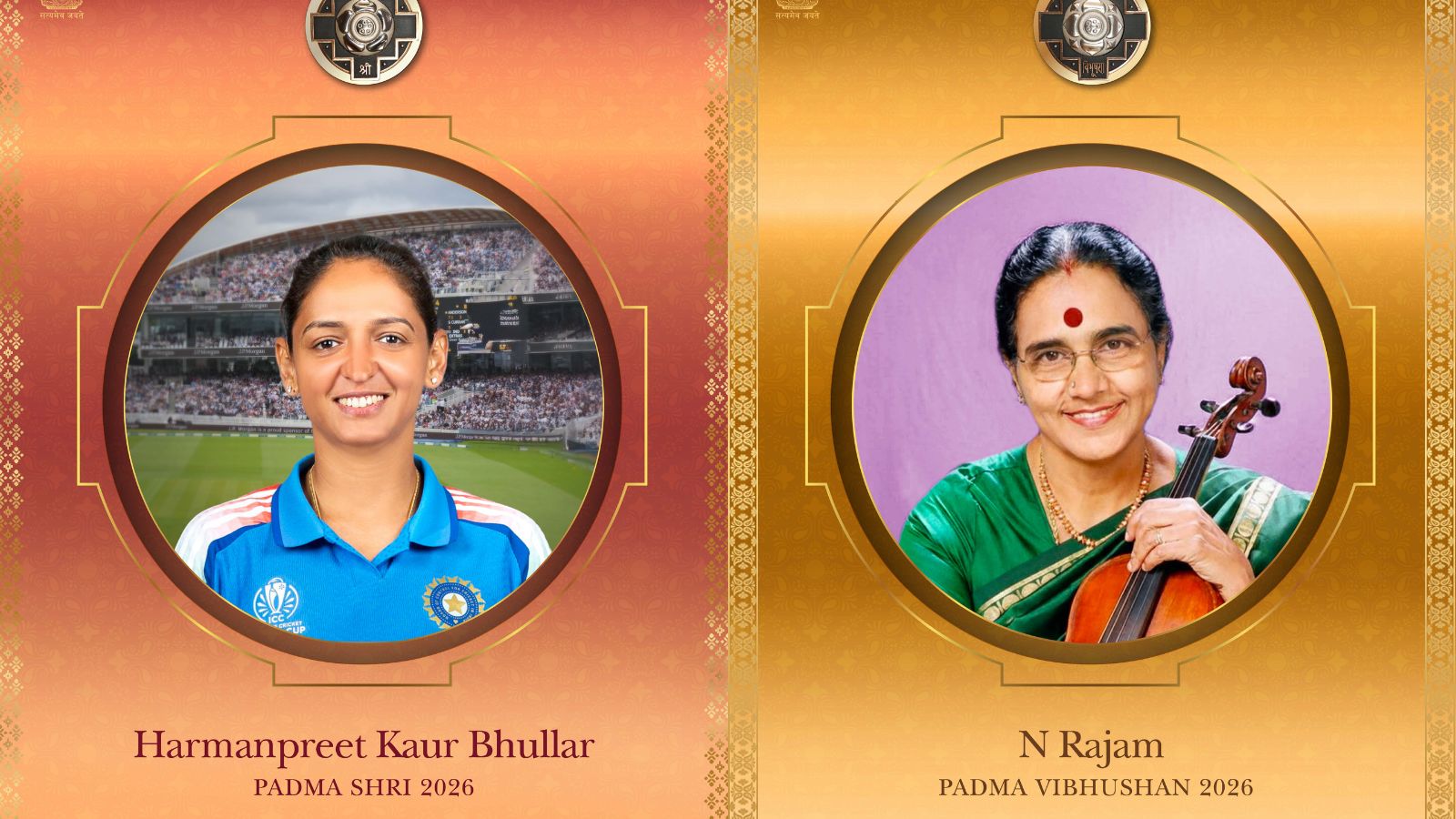
The selection process is highly democratic—the nomination portal is open to the public, and citizens can even self-nominate. Every year, the Prime Minister forms a Padma Awards Committee (headed by the Cabinet Secretary) to screen the entries.
Once approved by the PM and the President, the winners receive a Sanad (a formal certificate signed by the President) and a bronze medallion embossed with a lotus blossom at a grand state ceremony held at Rashtrapati Bhavan.
Cap on Awards: The total number of Padma awards given out in a single year cannot exceed 120 (excluding posthumous awards and those given to NRIs or foreigners).
Not a Title: Winners cannot use “Padma Shri” or “Padma Bhushan” as a prefix or suffix to their names (e.g., on business cards or letterheads), as the award does not amount to a noble title.
Who is Excluded?: All citizens are eligible regardless of race, position, or gender. However, government servants—including those working in PSUs—are not eligible, with the exception of doctors and scientists.