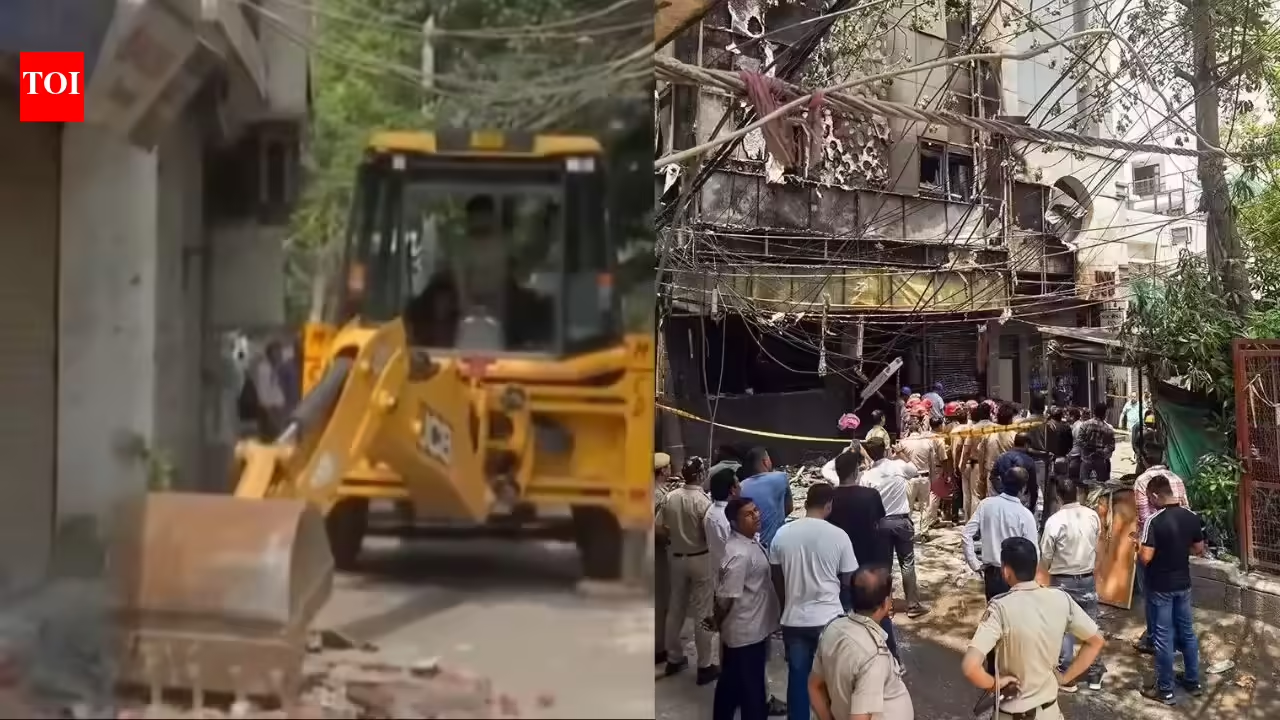






New Delhi: As the city grapples with a rising number of deadly blazes, Delhi govt officials have identified changing building interiors and an increasing use of combustible materials as likely reasons behind the faster spread of fires in residences and commercial establishments.The issue came up during internal reviews conducted by govt in the aftermath of recent blazes, including the one in Hauz Rani. While a magisterial inquiry into the tragedy is underway, officials said preliminary discussions focused on how modern architectural choices may be enhancing the intensity of fires.Home minister Ashish Sood said wood panelling, wallpapers, false ceilings and certain categories of paints that are increasingly being used can accelerate the spread of flames. A senior official said, “Oil- and solvent-based paints like enamel, lacquer or duco are more flammable than normal water-based paints.”Wallpaper is also a concern because it can provide a continuous path of fuel from the floor to the ceiling as flames naturally move upwards.The review also flagged the growing use of R32 refrigerant in ACs. Officials said older ACs largely used R410A refrigerant, which is non-flammable under normal conditions, whereas R32 is classified as mildly flammable. “R32 has a lower carbon footprint and provides faster cooling, which is why it is now widely used,” he said.However, another official cautioned against overstating the role of refrigerants in incidents of fire. He said a massive and highly concentrated leak in a confined space is generally required before flammability becomes a concern.Officials said one of the most significant reasons behind residential and commercial fires in urban areas like Delhi is the widespread non-compliance with building bylaws and planning norms, particularly in unauthorised colonies. “Buildings are often constructed by ignoring structural fire safety norms in order to maximise available space for rental accommodation and increase their commercial value,” the official said.