




Political careers rarely follow a linear trajectory, and Siddaramaiah’s nearly five-decade-long public life has been marked by dramatic turns and political reinventions, culminating in his surpassing D. Devaraj Urs as Karnataka’s longest-serving Chief Minister.
A central figure in Karnataka politics since the mid-1980s, Siddaramaiah announced his resignation from the post of Chief Minister on May 28, 2026. Over the decades, he navigated the State’s complex political landscape through carefully crafted social alliances and a governance model centred on welfare and inclusivity.
Follow | Karnataka politics LIVE
Born on August 3, 1947, in Siddaramanahundi village near Mysore (now Mysuru), Siddaramaiah became only the third Chief Minister in Karnataka’s history — after S. Nijalingappa and D. Devaraj Urs — to complete a full five-year term and return to lead the State for a second, though non-consecutive, tenure, and eventually truncated.
17 budgets presented
The lawyer-turned-politician, who belongs to the Kuruba community, traditionally associated with shepherding and spread across Karnataka, presented 17 State budgets during his career. This places him second only to Vajubhai Vala, who presented 18 budgets in Gujarat before serving as Governor of Karnataka later.
Siddaramaiah’s political career was shaped in the 1980s under the mentorship of former Chief Minister Ramakrishna Hegde. Over the years, he served under five Chief Ministers — Hegde, S.R. Bommai, H.D. Deve Gowda, J.H. Patel and Dharam Singh. He also held positions as Minister, Deputy Chief Minister twice, Leader of the Opposition, and president of the Janata Dal (Secular) State unit. A nine-time MLA, his rise in politics remains notable for the absence of inherited political or social capital.
In his long political career, he contested only two Lok Sabha elections — from Mysuru in 1980 and Koppal in 1991 — losing both.
In Pictures | Siddaramaiah: From lawyer to Karnataka’s longest-serving CM
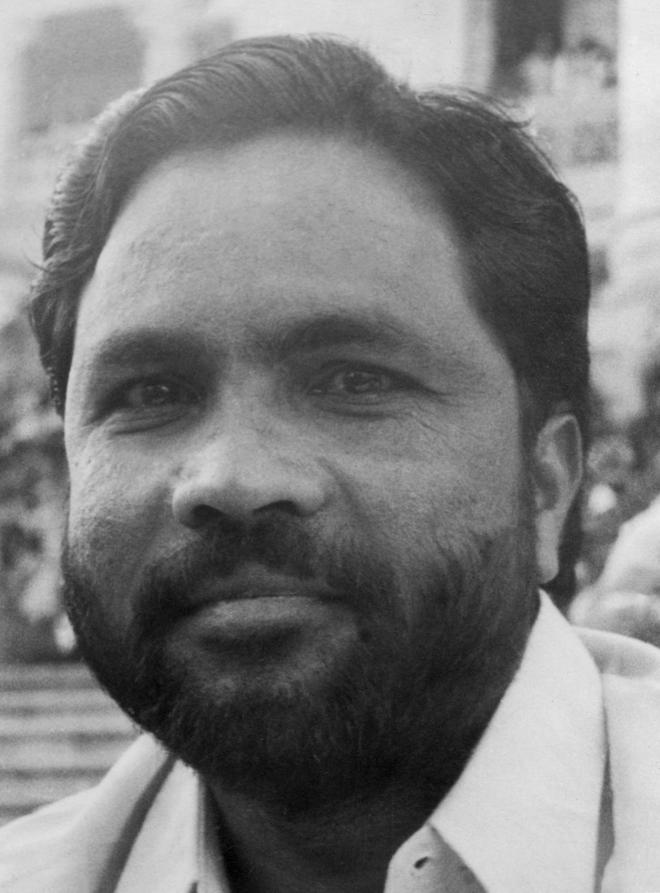
Siddaramaiah B, Minister of State, (Photographed during the Karnataka Assembly Elections, March 1985).
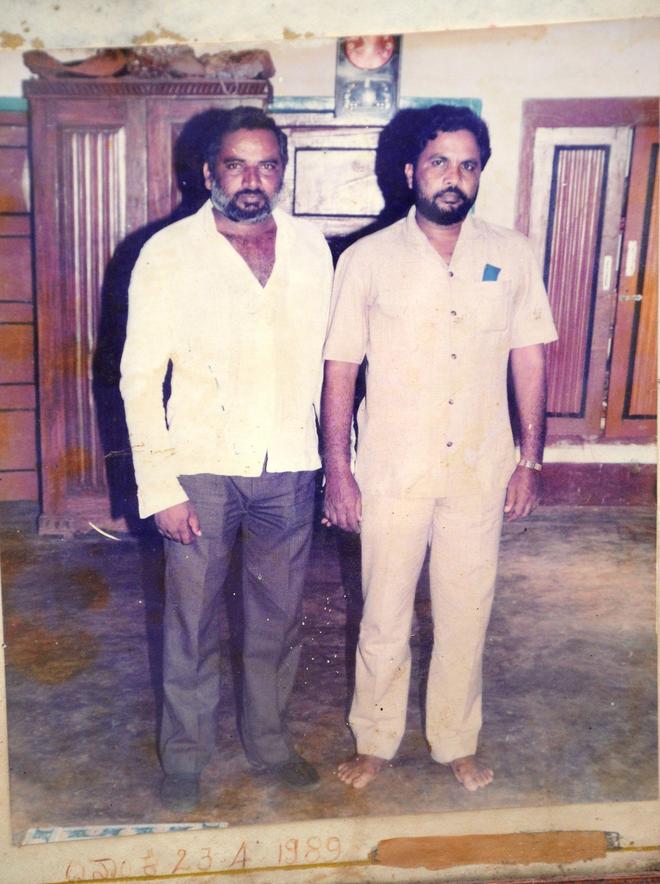
A 1989 picture of Siddaramaiah (right) with his friend found at his relative’s home in Siddaramanahundi village in Mysore district on May 10, 2013.
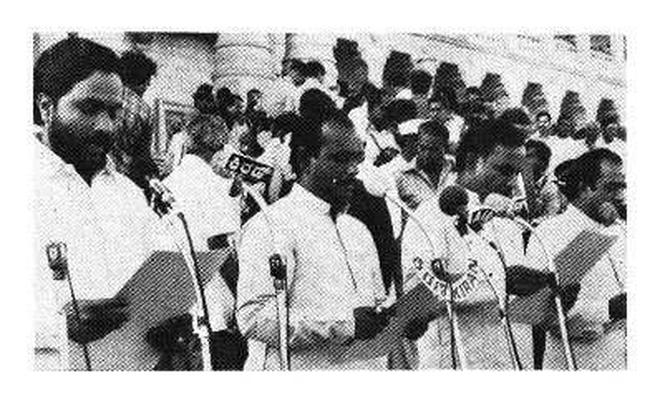
Taking the oath as Minister for Animal Husbandry and Veterinary Services in the Ramakrishna Hegde government, along with (far left) B.R. Yavagal, P.G.R. Sindhia and M.P. Prakash.
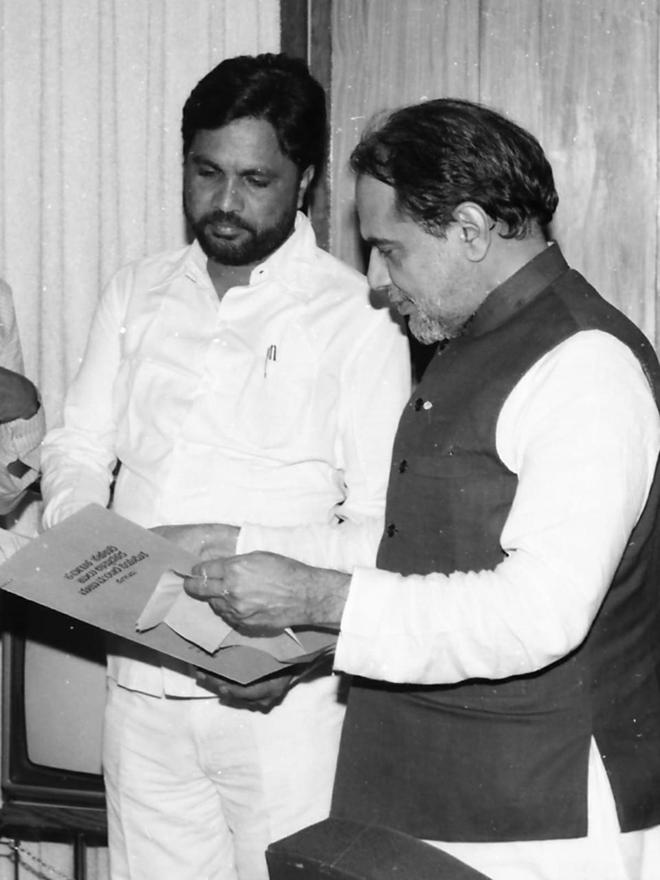
Siddaramaiah seen with Chief Minister Ramakrishna Hegde.
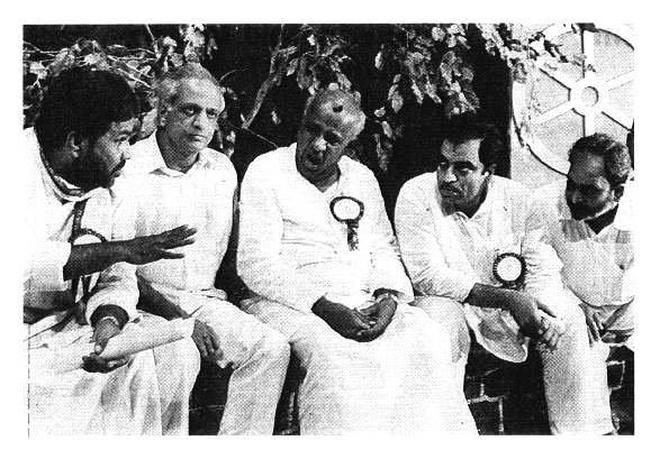
A 1995 image of a visibly tired Chief Minister H. D. Deve Gowda being briefed by the Finance Minister Siddaramaiah at the Zilla Panchayat members
meeting in Bangalore at a symbolic “panchayat katte”.
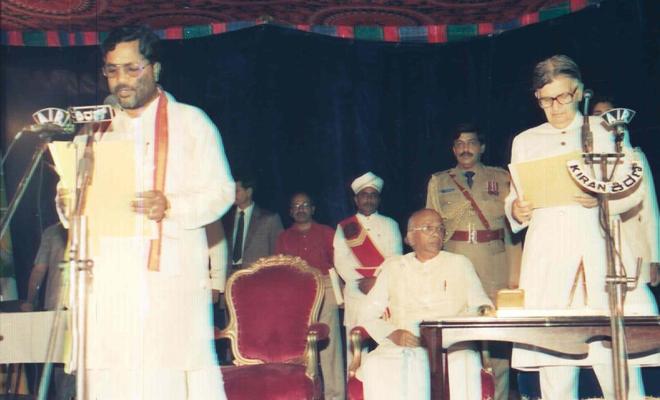
Siddaramaiah taking oath as Deputy Chief minister in the presence of Chief Minister J H Patel and Governor Kurshid Alam Khan in 1996.
Siddaramaiah, presenting the State Budget for 1997-98 as Deputy Chief Minister and Finance Minister of Karnataka, in Bengaluru.
Siddaramaiah as JD(S) state president seen with H.D. Deve Gowda on February 5, 2002.
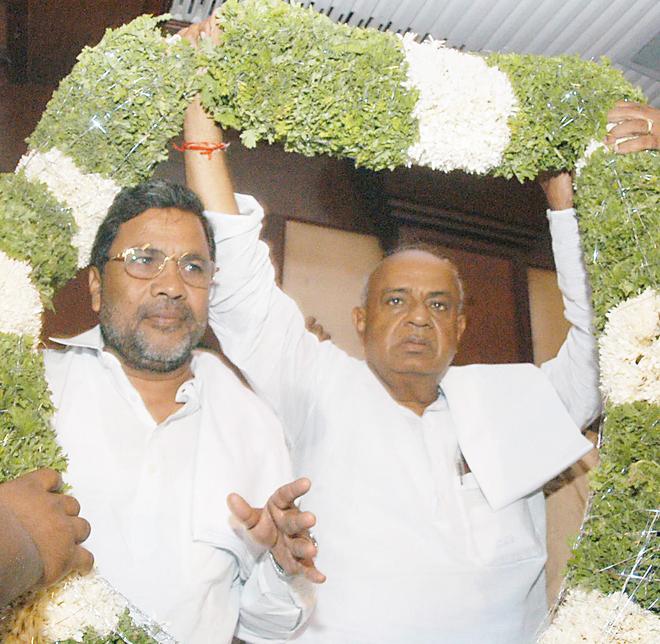
Former Prime Minister and JD(S) national president H.D. Deve Gowda with Siddaramaiah, who was elected as legislative party leader, after the legislative party meeting in Bangalore, on May 16, 2004.
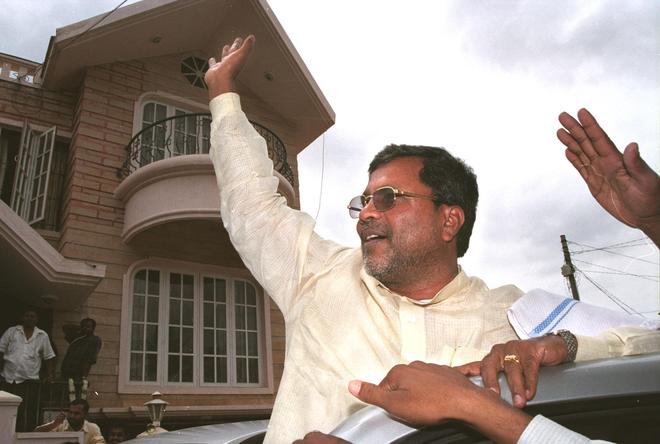
Siddaramaiah, then State president of Janata Dal (S), waving to the crowd, in front of the H.D. Deve Gowda’s residence at Padmanabanagar, in Bangalore on May 14, 2004.
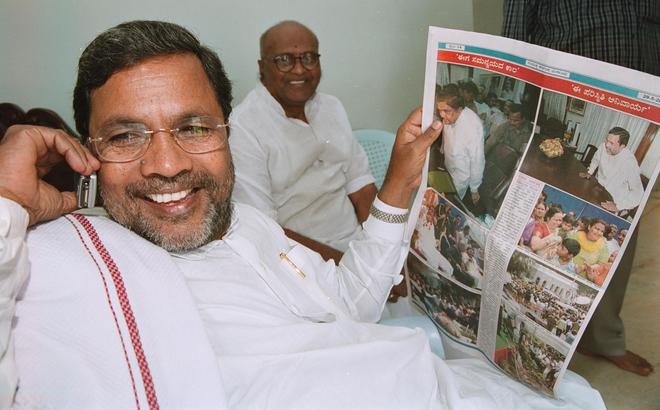
Siddaramaiah, then Deputy CM, browsing a newspaper carrying photographs of his swearing-in ceremonyin Bangalore on May 29, 2004.
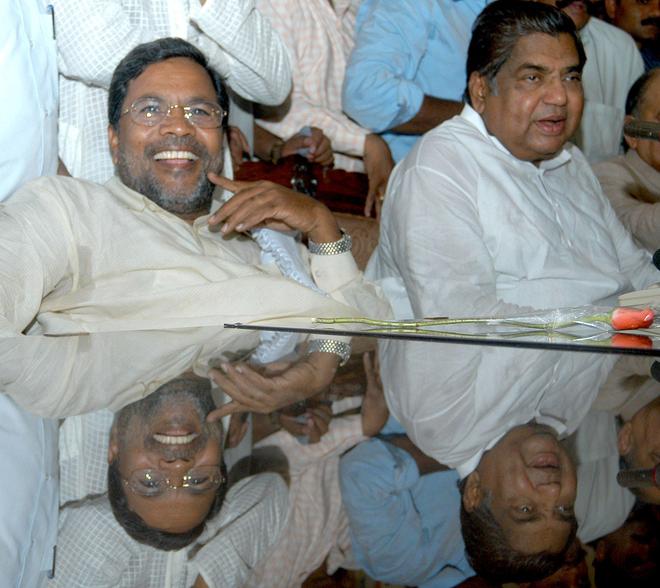
CM Dharam Singh and Deputy CM Siddaramaiah after the swearing in ceremony in Bangalore on May 28, 2004.
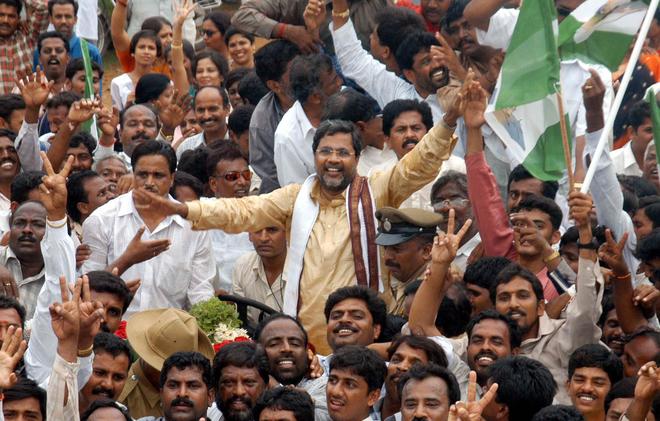
The Deputy Chief Minister and JD(S) State President Siddaramaiah accorded a rousing welcome by his supporters on his first visit to Mysore after assuming charge as Deputy CM in 2004.
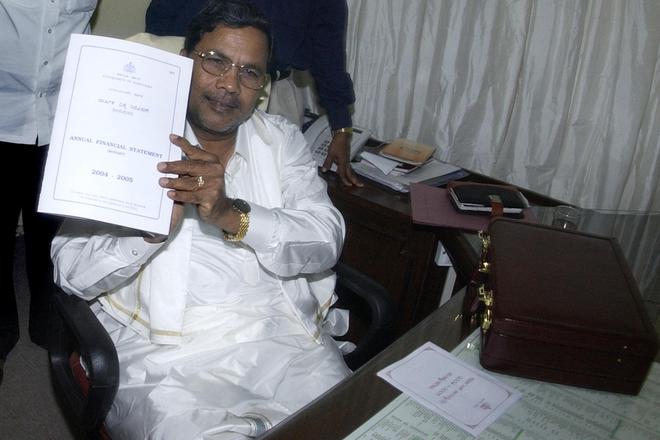
S. Siddaramaiah getting ready to present the State Budget for the year 2004-05 in Bangalore on July 19, 2004.
Deputy Chief Minister Siddaramaiah collects donations for tsunami-hit victims as part of his padayatra in Mysore in January 2005.
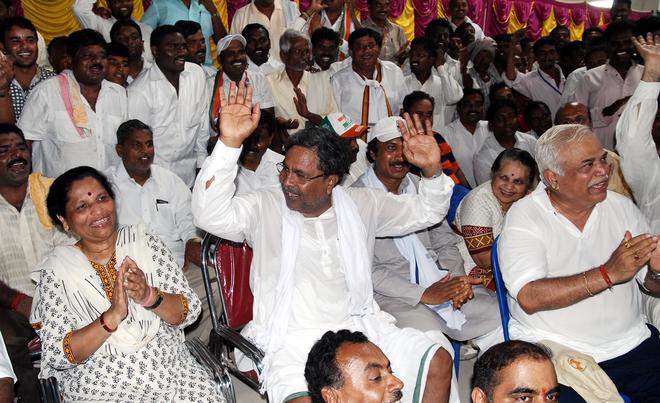
Opposition leader Siddaramaiah, KPCC President R.V. Deshpande and others take a break during the padayatra from Bangalore to Bellary Padayatra in July 2010.
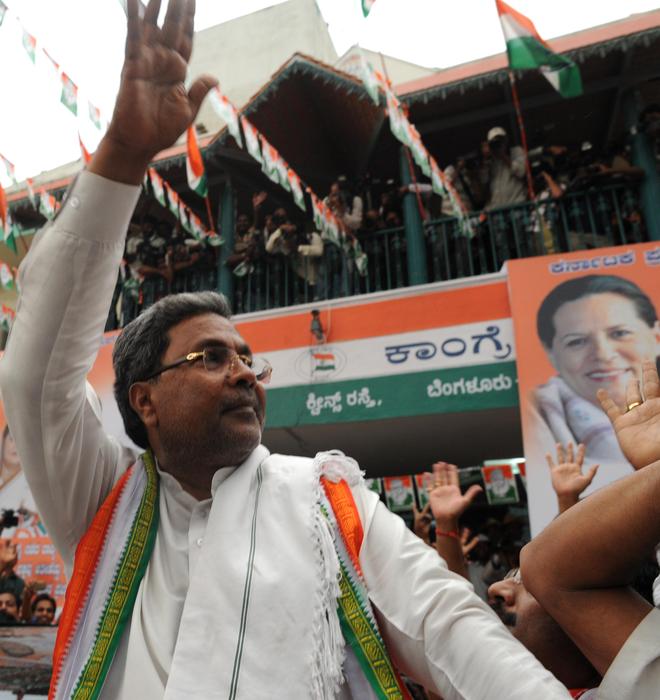
Siddaramaiah, announced Chief Minister elect, waves after the Congress Legislative Party Meeting (CLP) at KPCC on April 10, 2013.
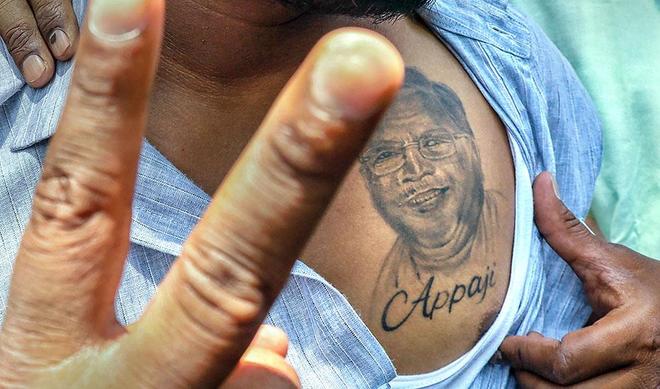
A supporter flashes a tattoo of Congress leader Siddaramaiah, near his residence in Bengaluru on May 17, 2023.
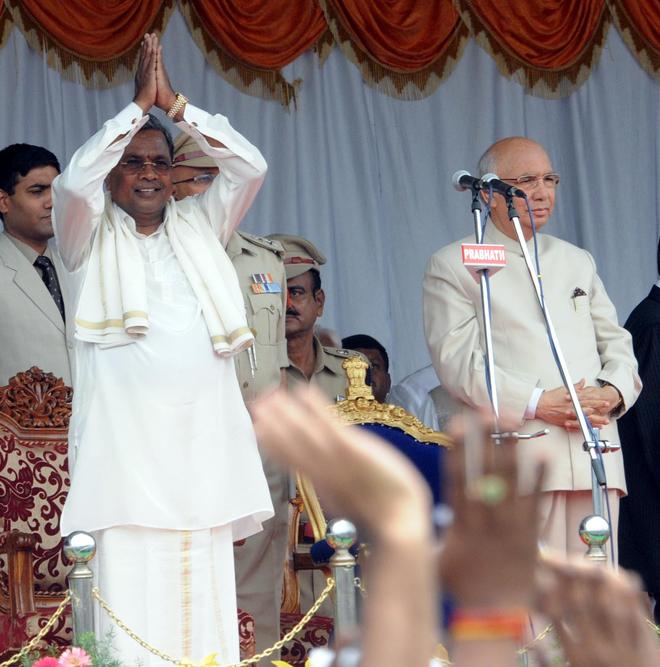
KPCC Chief Siddaramaiah (left) is sworn in as Chief Minister by Karnataka Governor H.R. Bhardwaj during the swearing-in ceremony at Kanteerava Stadium in Bangalore on May 13, 2013.
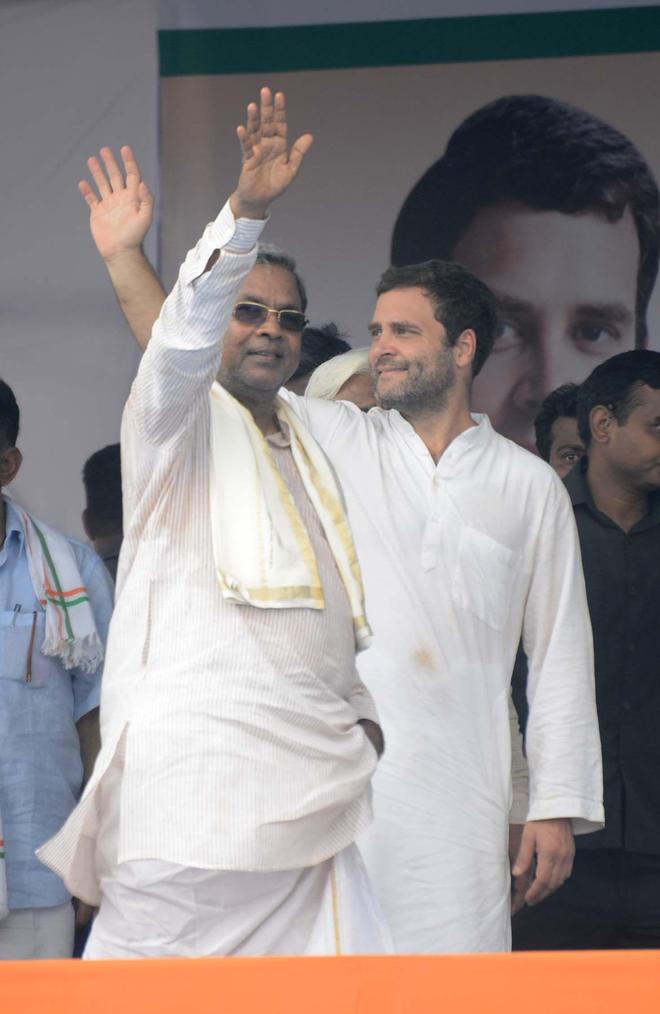
President of Congress party Rahul Gandhi and Chief Minister Siddaramaiah wave at villagers and youth Congress members during a Padayatra at Ranebennur in Haveri District on October 10, 2015.
1/3
Contrasting terms
Siddaramaiah’s two terms as Chief Minister — from 2013 to 2018 and from May 2023 to May 2026 — differed significantly in terms of political authority and administrative control. During his first tenure, he emerged as the undisputed leader of the Congress in Karnataka.
In contrast, his second term was marked by an ongoing power struggle with Deputy Chief Minister and KPCC president D.K. Shivakumar. The Congress high command also intervened on several occasions, including nudging the government to drop the decade-old socio-educational survey, popularly referred to as the caste census, and commission a fresh exercise.
Pro-poor image
Siddaramaiah drew much of his political strength from his image as a pro-poor leader and he consistently framed his politics around social justice. During his first tenure, he enacted the Scheduled Caste Sub-Plan and Tribal Sub-Plan legislation, which mandated budgetary allocations for Scheduled Castes and Scheduled Tribes in proportion to their population. His political legacy was also shaped by a wide-ranging welfare agenda — from the Bhagya schemes introduced during his first term to the five guarantee schemes launched during his second stint in office.
However, his second term was also overshadowed by controversies and internal discord. Governance often appeared to take a back seat as the government grappled with allegations of corruption and factional infighting. The Congress, which had come to power accusing the BJP government of “40% corruption”, faced allegations of financial irregularities. These included charges of embezzlement in the Karnataka Maharshi Valmiki Scheduled Tribes Development Corporation, and allegations surrounding the allotment of sites by the Mysuru Urban Development Authority (MUDA) to Siddaramaiah’s wife in Mysuru district. These controversies dented the government’s public image.

At the same time, the continuing tussle for power between Siddaramaiah and his deputy D.K. Shivakumar became a recurring feature. Leaders and MLAs aligned with the Deputy Chief Minister repeatedly travelled to Delhi to lobby with the Congress leadership, seeking to reinforce Mr. Shivakumar’s claim to the top post. The rivalry often complicated governance and strained cohesion within both the party and the government.
During his first tenure too, Siddaramaiah faced political controversies. His government’s recommendation that Lingayats be recognised as a separate religion drew criticism, while the BJP strongly opposed the decision to officially commemorate the birth anniversary of Tipu Sultan, the 18th-century ruler of Mysore. Though Siddaramaiah initially defended the observance of Tipu Jayanti, the government later retreated amid sustained accusations of “minority appeasement” by the BJP.
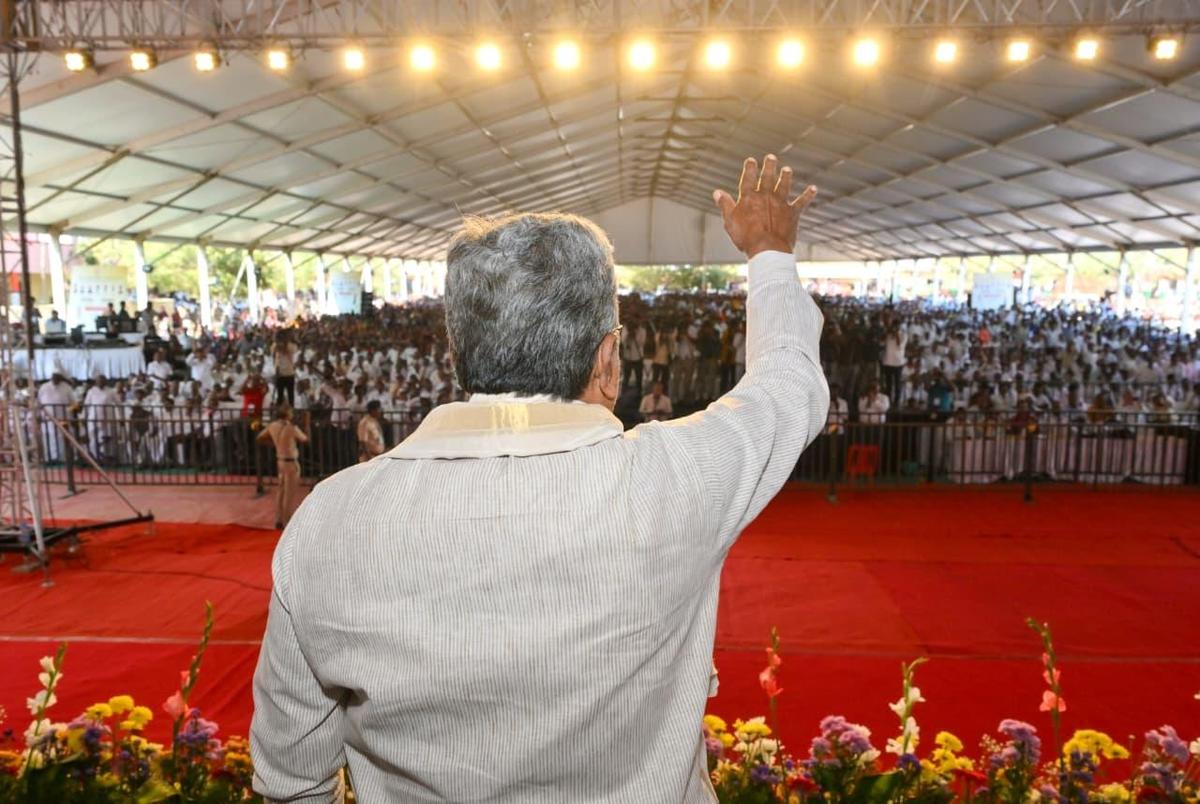
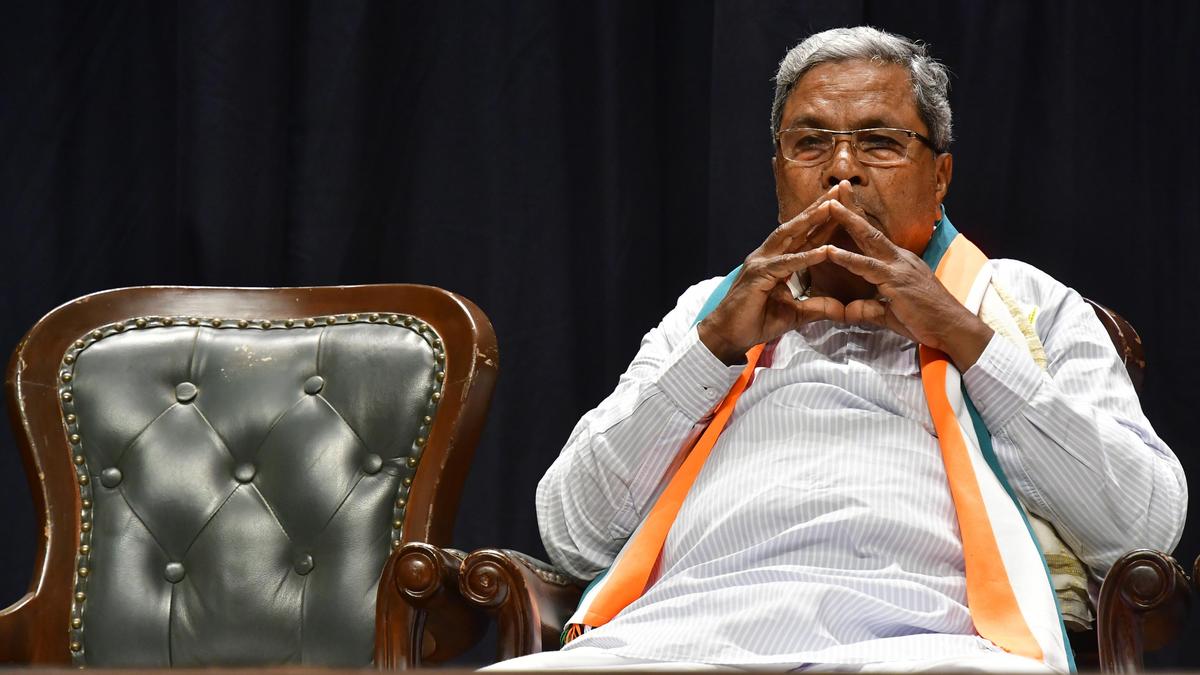
Siddaramaiah fashioned himself into a formidable mass leader, known for his unvarnished manner and strong connect with rural Karnataka.
| Photo Credit:
ARUN KULKARNI
Influence of Lohia
Karnataka emerged as a stronghold of socialist thought in the 1960s and 1970s, with the ideas of Dr. Ram Manohar Lohia resonating widely among young people, including Siddaramaiah. He formally entered public life in 1978 as a member of the Mysore Taluk Development Board. In 1983, he entered the Legislative Assembly as an Independent and extended support to the Janata Party government led by Ramakrishna Hegde, Karnataka’s first non-Congress Chief Minister. He joined the Janata Party in 1985 and, after winning the Assembly election that year, became a minister during only his second term as MLA. From then on, he remained continuously active in either government or party positions.
He was expelled from the Janata Dal (Secular) in 2005 after falling out with former Prime Minister H.D. Deve Gowda, who had begun promoting his son H.D. Kumaraswamy within the party. Despite having long opposed the Congress politically, Siddaramaiah joined the party in 2006 in the presence of Sonia Gandhi in Bengaluru.
Broad coalition
Within the Congress, he consolidated his position by mobilising a broad social coalition of Dalits, backward castes and minorities — popularly known in Karnataka politics by the acronym AHINDA. This strategy sought to dismantle the political dominance of the State’s two influential communities, the Vokkaligas and Lingayats. Siddaramaiah’s social coalition-building drew comparisons with the politics of D. Devaraj Urs in the 1970s.

Though some Congress leaders initially branded him an outsider after his entry into the party, his command over the consolidated AHINDA social bloc eventually propelled him to become Leader of the Opposition and later Chief Minister — twice. Siddaramaiah fashioned himself into a formidable mass leader, known for his unvarnished manner and strong connect with rural Karnataka.
Published – May 28, 2026 12:15 pm IST