







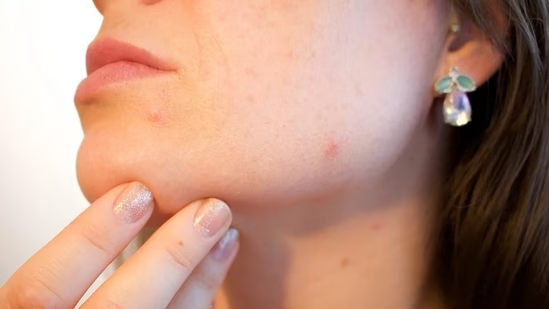
For years, acne has largely been viewed as a surface-level skin concern, something triggered by oil, dirt, or unsuitable skincare products. But experts today are increasingly pointing to a deeper connection: the role of blood sugar regulation, insulin resistance, and hormonal imbalance in driving persistent breakouts, especially among women dealing with conditions such as Polyendocrine Metabolic Ovarian Syndrome or PMOS, formerly known as PCOS.


“PMOS is not just a reproductive disorder it is fundamentally a metabolic condition. At the centre of this dysfunction is often insulin resistance. When the body’s cells stop responding efficiently to insulin, circulating insulin levels rise, which in turn stimulates excess androgen production. This hormonal imbalance can manifest through symptoms such as irregular cycles, excess oil production, seborrhoea, and recurring acne,” Dr Suvidha Valsaraj, BSMS, Panchakarma specialist and wellness expert, Zeus Hygia, tells Health Shots.
“One of the most effective ways to intervene is by improving insulin sensitivity and stabilising blood glucose levels,” says Dr Valsaraj. Dietary patterns play a key role here, particularly the intake of high-glycemic, refined foods, which can perpetuate repeated spikes in glucose and insulin.
How do blood sugar spikes affect skin?
Repeated blood sugar spikes caused by high-glycemic foods, refined carbohydrates, sugary snacks, and sweetened beverages can worsen this cycle. Elevated insulin levels not only disrupt metabolic function but also increase androgen activity and IGF-1 levels, both of which are closely associated with acne development.
“Frequent sugar spikes can trigger a chain reaction within the body. High insulin levels don’t just affect metabolism they can also directly influence skin health. Clinically, this often presents as inflammatory acne, clogged pores, and persistent jawline or chin breakouts, which are commonly associated with hormonal fluctuations,” Dr Tanya Mishra Dixit, Maxillofacial Surgeon, Fellow of Advanced Cosmetic Surgery (Mumbai), Fellow of Aesthetic Medicine, and Founder of Ministry of You, tells Health Shots.
How to fix gut health and hormones?
Experts say the issue extends beyond hormones alone. Gut health, stress, sleep quality, and inflammation all play interconnected roles in how the body regulates insulin and clears excess hormones.
“Unstable blood sugar can trigger a wider hormonal cascade, involving cortisol, androgens, and oestrogen imbalance. Every high-sugar meal sends blood glucose soaring. Insulin rushes in, and as a side effect, your skin pumps out more oil, pores get blocked, and breakouts follow,” Gargi Sareen, Gut Health Coach (Sova), tells Health Shots.
Sareen further highlights that women with PMOS are significantly more prone to hormonal acne because insulin resistance often sits at the root of the condition. At the same time, gut health also plays a major role. “Since a large proportion of the immune system resides in the gut, disruptions in the microbiome can worsen inflammation, impair insulin sensitivity, and reduce the body’s ability to clear excess hormones,” she adds.
Can metabolic syndrome cause acne?
This growing understanding of acne as a metabolic and hormonal issue is also shifting conversations around treatment approaches. Instead of focusing solely on topical skincare, experts are increasingly advocating for interventions that address underlying metabolic dysfunction.
One area gaining attention is the use of metabolic support ingredients, such as berberine, which is being explored for its potential to improve insulin sensitivity and reduce glucose variability. However, experts point out that traditional berberine formulations have historically faced challenges around low bioavailability, limiting consistency in clinical outcomes.
At the same time, specialists caution against viewing any ingredient or supplement as a standalone solution. Sustainable skin health, they say, requires a more holistic and long-term approach.
This includes:
- Balancing meals to minimise sharp glucose spikes
- Prioritising fibre-rich, whole foods
- Improving sleep quality
- Managing chronic stress
- Supporting gut health
- and incorporating targeted nutritional support where appropriate
What is increasingly clear is that recurring acne is often a visible sign of underlying internal imbalances rather than a mere cosmetic concern. For individuals struggling with persistent or treatment-resistant breakouts, experts suggest looking beyond skincare products and understanding the relationships among blood sugar, hormones, gut health, and inflammation to achieve more sustainable outcomes.
(Disclaimer: At Hindustan Times, we help you stay up-to-date with the latest trends and products. Hindustan Times has an affiliate partnership, so we may get a part of the revenue when you make a purchase. We shall not be liable for any claim under applicable laws, including, but not limited to, the Consumer Protection Act, 2019, arising from the products. The products listed in this article are in no particular order of priority.)