It was supposed to be a beautiful moment. A mother worked hard, saved her money, and bought her daughter a brand new Honda as a graduation gift, complete with a big pink bow on the front. A surprise. A celebration. A mother’s way of saying, “I am proud of you, and I want to give you the world.” What happened next, nobody expected. The daughter’s reaction, caught on camera and shared online, sparked one of the biggest parenting debates the internet has seen in a long time. And the text message conversation that followed made it even more explosive.
‘I was expecting a Benz or a BMW’
3 Jul 2026 | 12:38
How do you teach children about money and financial responsibility?
In the text messages that went viral, the daughter’s words were direct and cutting. “I don’t like it. I was expecting to get a Benz or a BMW. I appreciate you, Mom, but it’s just not my style. You drive a G-Wagon, so me driving a basic Honda is weird.” She left. She went to her father’s house. And she left her mother standing alone next to a car she had paid for in cash, a gift that had been dismissed in minutes. The mother’s response, however, was anything but quiet.“You realize you just graduated high school, right? You have a roof over your head, you don’t have to pay bills, college is paid for, you don’t have to rush and leave home—your life is set. So to sit up and tell me you don’t like a car I paid CASH for is crazy. That’s VERY ungrateful.” She went further. “You’re a teenager at graduation. You didn’t work hard for anything yet. How dare you.” And when her daughter replied with four words, “Just sell it, Ma. I don’t want it,” the internet truly erupted.
What the internet said

The post was shared across social media platforms and within hours, thousands of people had weighed in. The overwhelming majority sided firmly with the mother. “Man, if my parents bought me a car for graduation, I’d cry happy tears even if it were a beat-up old car. If it ran and had no problems, I wouldn’t care if it was my style,” wrote one commenter, a sentiment that thousands liked and shared.Another person shared their own experience: “Sell it. She is on her own. We gave my daughter a Malibu that was my wife’s, which was just four years old. She did not want it, so I put a “for sale” sign on it. Told her she can get her own car. She apologized and drove it for more than six years before she bought her own.” A grandmother added, “Ungrateful. My daughter or granddaughters would have loved getting a new car. They had old beater cars, but they appreciated them.“And from across the ocean, a British commenter put it simply, “Absolutely spoiled. As a teenager, my first car was bought for me, and I was thrilled with my Ford Fiesta and the independence it brought. Sell the car—if she wants an overrated, overpriced car, she can buy it herself.”
The bigger question this moment raised
Beyond the viral drama, this story touched something much deeper — a question that millions of parents around the world quietly wrestle with every day. Are we raising grateful children? Or are we raising children who have been given so much that they no longer recognise the value of anything? The mother in this story drives a G-Wagon, and her daughter noticed. Children watch everything. They absorb the lifestyle around them. And when expectations are built not around gratitude but around comparison, a perfectly good car becomes “just a Honda.” This is not a story about one ungrateful teenager. It is a story about what happens when children grow up measuring love by the price tag attached to it.
The lesson every Indian parent can take from this
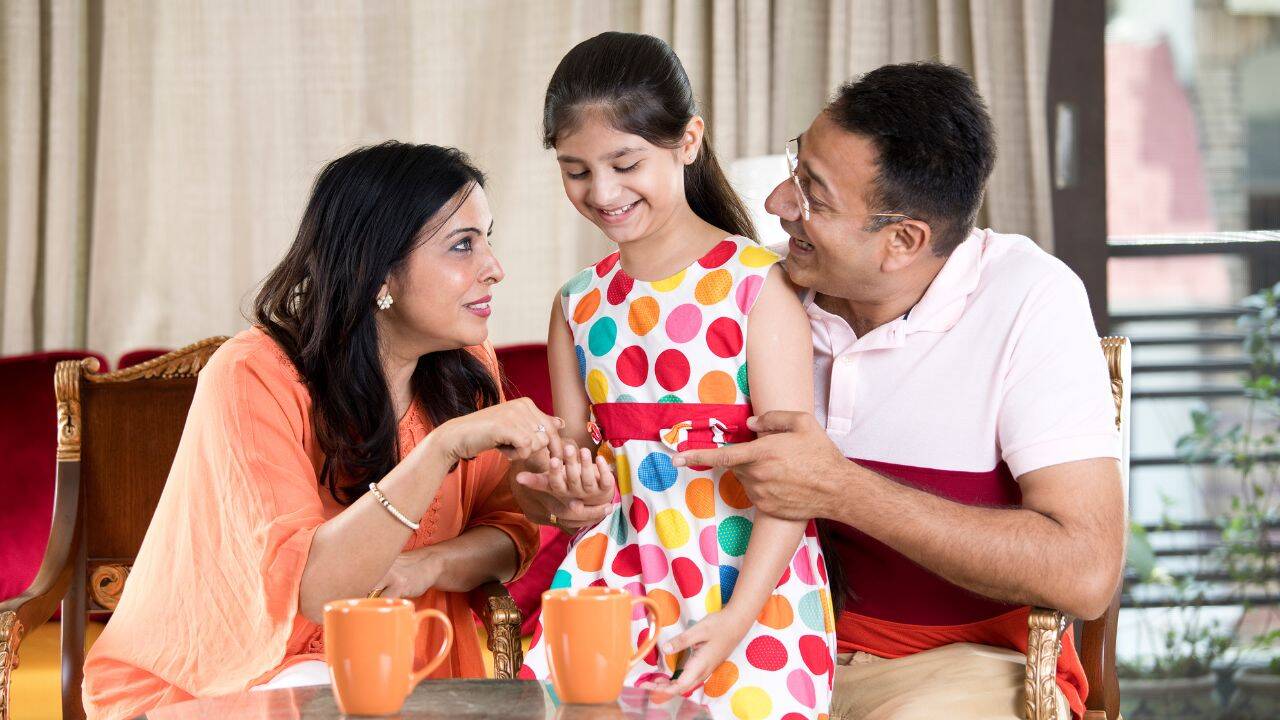
In India, where parents routinely sacrifice their own comfort and dreams to give their children the best possible start, this story hits especially close to home. We buy. We give. We sacrifice. And sometimes, we forget to also teach. Teach that a gift, however simple, is an act of love. Teach that gratitude is not weakness; it is character. Teach that the car your parent drives is theirs, and the car they give you, whatever it is, is a privilege, not a right.The mother’s final message was perhaps the most important of all. She did not beg. She did not apologize. She simply said, “I’m 45. I worked hard for my G-Wagon. I’m not going to kiss a child’s ass.”And she was right.