








Emphasis on the inclusion of Strong Hybrid Electric Vehicles (SHEVs) and boost in the charging infrastructure are among the highlights of the feedback shared by experts from IIT Delhi and IIT Kanpur, among others, on the Delhi government’s Draft Electric Vehicle (EV) Policy 2.0, The Indian Express has learnt. Reduction in vehicular emissions, improvement of consumer confidence in clean mobility, enablement of faster transition from internal combustion engine vehicles: these are the aspects they backed in the draft, said officials.
The current policy — launched in 2020 and extended multiple times — will expire on June 30. The Transport department released the draft EV policy 2026-2030 in April, seeking feedback from the public and stakeholders within a month.

“We have received a lot of suggestions from various sectors and stakeholders…Largely, the feedback is positive. Experts have stressed on the inclusion of SHEVs, strengthening and expanding EV infrastructure and revising the mandates for two wheelers, among others,” said a senior official of the Delhi government.
“The policy rightly prioritises high-utilisation segments such as two-wheelers, three-wheelers, commercial fleets, and goods vehicles, which contribute significantly to urban emissions…appreciate the inclusion of SHEVs in the policy framework… Cleaner intermediate technologies can play a useful role in supporting emissions reduction while improving consumer confidence,” said Dr Vikas Nimesh, Assistant professor, School of public policy, IIT Delhi.
Experts from IIT-Kanpur have recommended extending the scrappage linked benefits to consumers purchasing hybrid electric vehicles. “…By extending policy policy support to proven green technologies , BEVs and SHEVs , government of Delhi is advancing practical and inclusive transition toward cleaner mobility, enabling wider adoption, encouraging a faster shift from internal combustion engine vehicles, and delivering near-term air quality benefits,” a senior professor with the Department of civil engineering at IIT Kanpur underlined in the feedback.
“…studies have also shown a major contribution of pollution from the transport sector , which accounts for 15 to 20% of total air pollution in Delhi, mostly from older vehicles.”
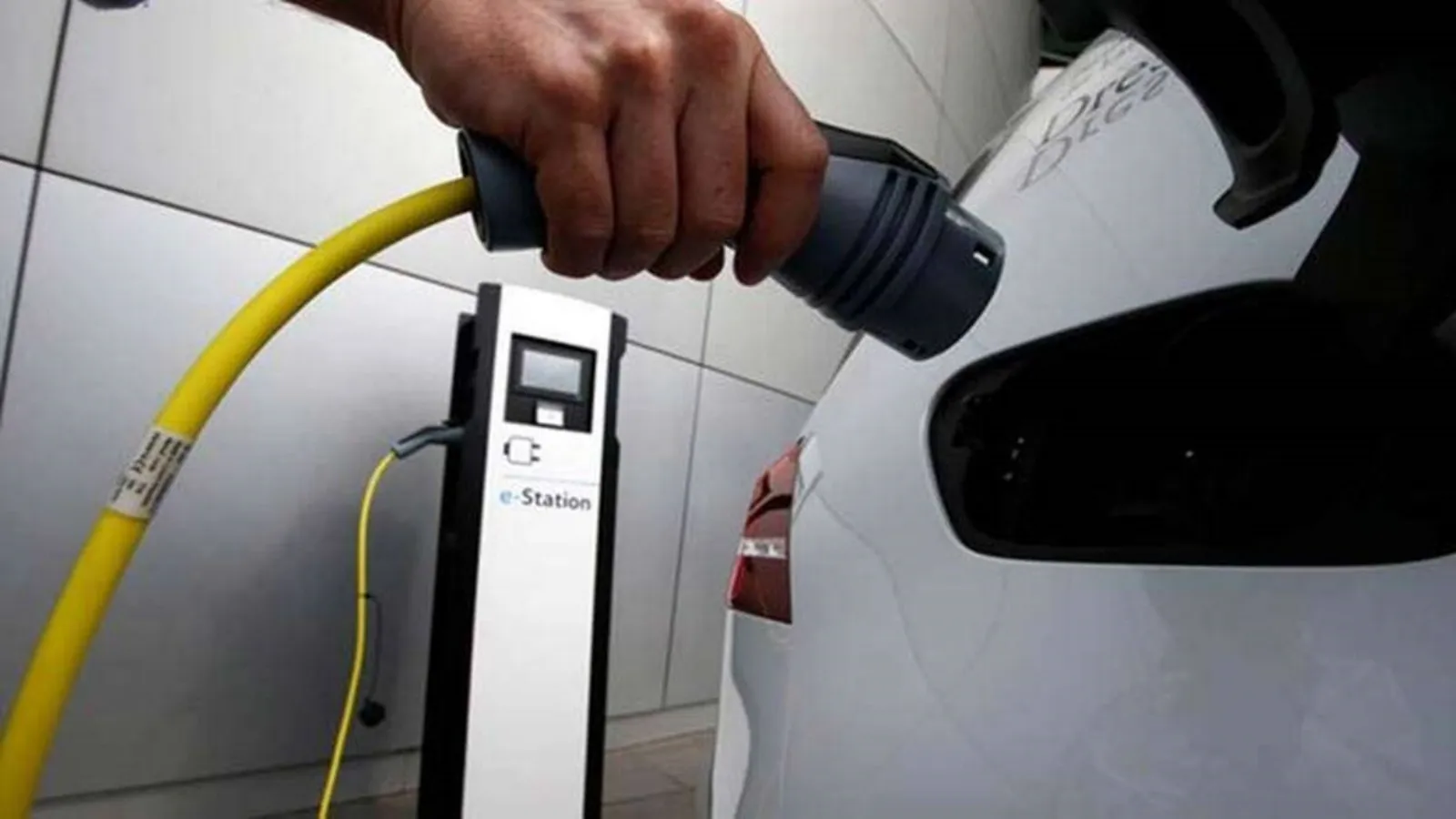
Experts from IIT Delhi also stressed on expanding charging infrastructure in residential areas. “Residential charging remains one of the biggest practical barriers to EV adoption in Delhi, particularly in apartments and group housing societies…The policy may consider standardised guidelines and model by-laws for RWAs regarding EV charger approvals, time-bound approvals, safety guidelines for shared charging systems,” said Nimesh. “Pilot case studies in residential campuses and institutional complexes can help assess charging behaviour, peak demand management, and practical feasibility in dense urban settings.”
Story continues below this ad
Meanwhile, a source from the Transport department said that the government is making some revisions in the draft following the suggestions. “Some of them are putting a cap on the proposed road tax exemption for SHEVs to the first two years after the policy’s rollout, with a possible one-year extension based on its impact, including e-rickshaw in scrappage linked incentives, ban on re-registration or selling EVs purchased in Delhi under the scheme in other states, revision of EV mandates for two wheelers…these are currently under consideration.”
As per data shared by officials, last year a total of 7,765 strong hybrid electric vehicles were registered in Delhi and this year till June 15, about 4,768 SHEVs have been registered so far.
The draft proposes a range of scrappage-linked incentives to accelerate the transition to cleaner vehicles. Buyers of electric two-wheelers will be eligible for a Rs 10,000 incentive on scrapping BS-IV and older vehicles, that are linked to rising pollution, while those purchasing electric three-wheelers (L5M) will get a Rs 25,000 incentive.
The Transport department has proposed 50% exemption on road tax and registration for strong hybrid vehicles having ex-showroom price of up to Rs 30 lakh and a 100% road tax exemption for EVs.
Story continues below this ad
For electric cars priced up to Rs 30 lakh, the incentive has been pegged at Rs 1 lakh, limited to the first 1 lakh eligible applicants, while buyers of electric four-wheeler goods carriers (N1 category) will receive Rs 50,000. These incentives will be applicable only if the new vehicle is purchased within six months of obtaining a Certificate of Deposit from an authorised scrapping facility, and will be disbursed directly to the registered owner through a direct benefit transfer mechanism.
Further, the draft proposes incentives for electric trucks (N1 category) to promote EV adoption in the commercial vehicle segment. It also proposes scrapping incentives to remove end-of-life polluting vehicles from the roads.
“Overall, the Draft Delhi Electric Vehicle Policy 2026–2030 is a progressive and forward-looking step toward sustainable urban mobility…IIT Delhi would be happy to extend academic and research support to the Government of NCT of Delhi, wherever required, in advancing evidence-based and sustainable electric mobility solutions for the city,” Nimesh said.