




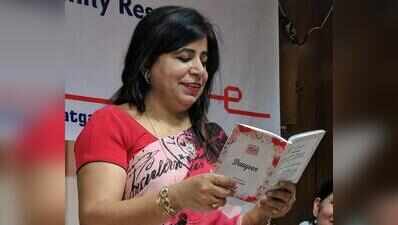
Lucknow: Determined not to let time erase her mother’s faith, Sabiha Ahmed transformed ‘dua’ (prayers) handwritten by the senior into a bound volume. “I have kept them close to my heart,” she says.The Alambagh resident says the effort was inspired by her mother Aneesa Khatoon’s wish that prayers continue to live on in another form. Carefully compiled in Urdu, the 85-page collection, titled ‘Masnoon Duaaein’, was published in 2006 and features numerous ‘dua’, along with their descriptions. It includes prayers for journeys, hardships and calamities.The keepsake is part of a growing trend among Lucknow residents, who are finding ways to carry forward family heirlooms.Ahmed is not alone in this endeavour. Hussainganj resident Uzma Kidwai, who hails from Varanasi, has chronicled her grandmother’s 70-year-old culinary legacy, recording recipes for Mutanjan and several traditional Banarasi delicacies that have been passed down through the family. “Food trends will continue to change, but the authenticity and memories woven into these dishes are irreplaceable,” says Kidwai, adding that she wants her descendants to know where these flavours came from.The movement extends to genealogical archives as well. Jafar Raza, a resident of New Haiderganj, translated his family’s ‘shajarah’ – a detailed record of lineage and forefathers – from Persian into Urdu. “Every generation deserves access to its own history,” he says.For Tahira Rizvi, relics are living memories rather than decorative artefacts. Among them is a 75-year-old traditional ‘naimatkhana’ (larder/food cabinet), once used in her grandmother-in-law’s kitchen to keep food fresh and is now refurbished as a storage unit.Similarly, vintage copper and German silver tea serving sets, restored through qalayi, a traditional tin coating, continue to lend an old-world charm to her home while carrying stories across generations. “Objects may age, but the love attached to them does not. They help us feel the presence of our loved ones in everyday life,” says Tahira, daughter of Sabiha Ansari of Firangi Mahal.Cultural-storyteller Atif Hanif says, “In changing times, family treasures anchor people to their roots, values and shared cultural identity.”