





PANAJI: Goa reported 373 people testing positive for hepatitis B in 2025-26, of whom 62 were put on treatment. In the same year, 131 persons tested positive for hepatitis C, with 40 put on treatment.Both hepatitis B and C are blood-borne infections and are closely monitored as they can cause chronic liver damage, cirrhosis, and liver cancer if left untreated, said state programme officer of the National Viral Hepatitis Control Programme, Dr Medha Salkar.Among alcoholics, viral hepatitis combined with alcohol causes greater liver damage, as alcohol weakens the liver’s local immune response, allowing the viruses to replicate more aggressively.Chronic viral hepatitis B and C can remain in the body for decades with minimal symptoms while causing low-grade inflammation, but alcohol can sharply accelerate the damage.
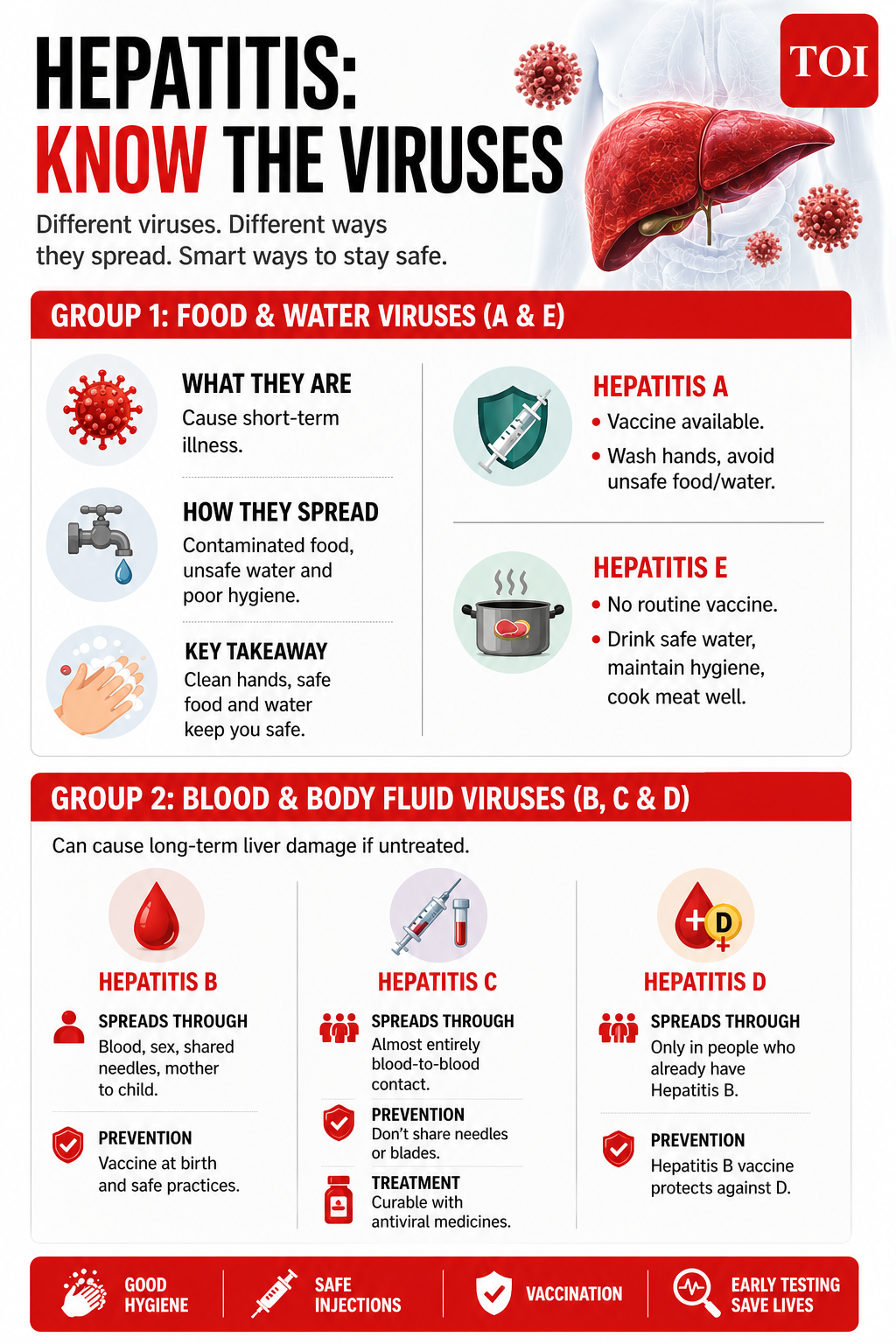
Know the viruses
“Alcohol speeds up the conversion of healthy liver tissue into permanent scar tissue (cirrhosis). What would have taken 30-40 years to reach cirrhosis can happen in as little as 10-15 years with regular drinking,” Salkar said.For a state with a high incidence of liver cirrhosis deaths annually — over 300 mortalities — this remains an area of concern.While hepatitis B and C independently raise liver cancer risks, Salkar said alcohol multiplies it. “Studies show patients with chronic hepatitis C who drink regularly have up to five to 10 times higher rates of liver cancer compared to non-drinkers with hepatitis C,” Salkar said.
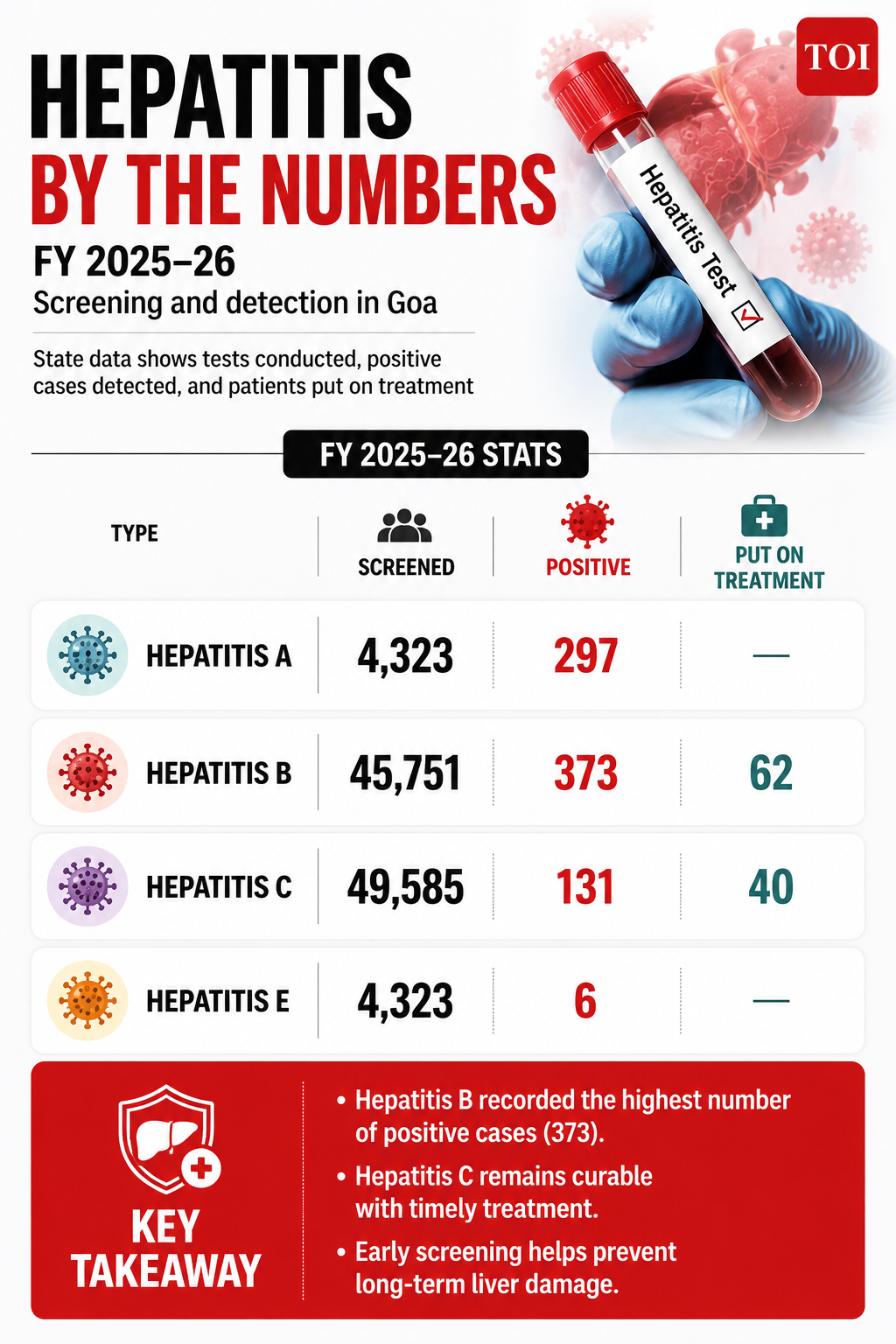
FY 2025-26
Alcohol also affects the absorption and effectiveness of antiviral therapy, and increases the risk of drug-induced liver toxicity, she added.In HIV cases, the progression of chronic viral hepatitis is faster, making liver disease among the leading non-AIDS-related causes of death in people living with HIV. “Patients who are co-infected with HIV and hepatitis B or C progress to liver scarring (fibrosis), end-stage liver disease (cirrhosis) and liver failure at two or three times the speed of someone without HIV,” Salkar said.
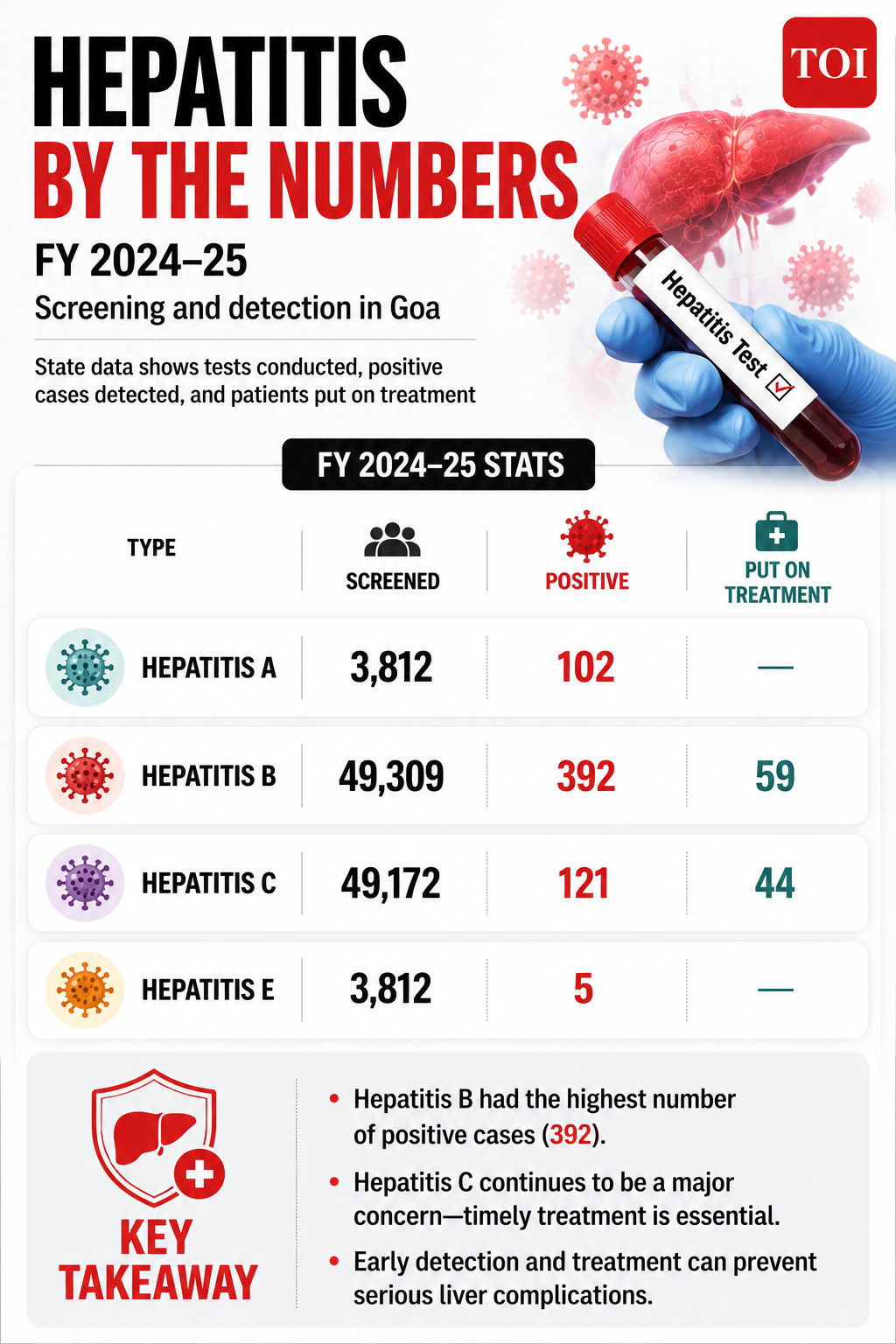
FY 2024-25
She said immune suppression combined with chronic inflammation raises the risk of hepatocellular carcinoma (liver cancer), often at younger ages. “HIV allows both hepatitis B and C to replicate more freely in the body, leading to higher levels of hepatitis virus in the blood,” she said, stressing the need for testing.Salkar urged those in high-risk groups to get tested, as many people with hepatitis B or C may not have symptoms and may unknowingly transmit the infection. Treatment is available for both, she said, with hepatitis C being curable and long-term treatment for hepatitis B helping patients maintain a better quality of life.