





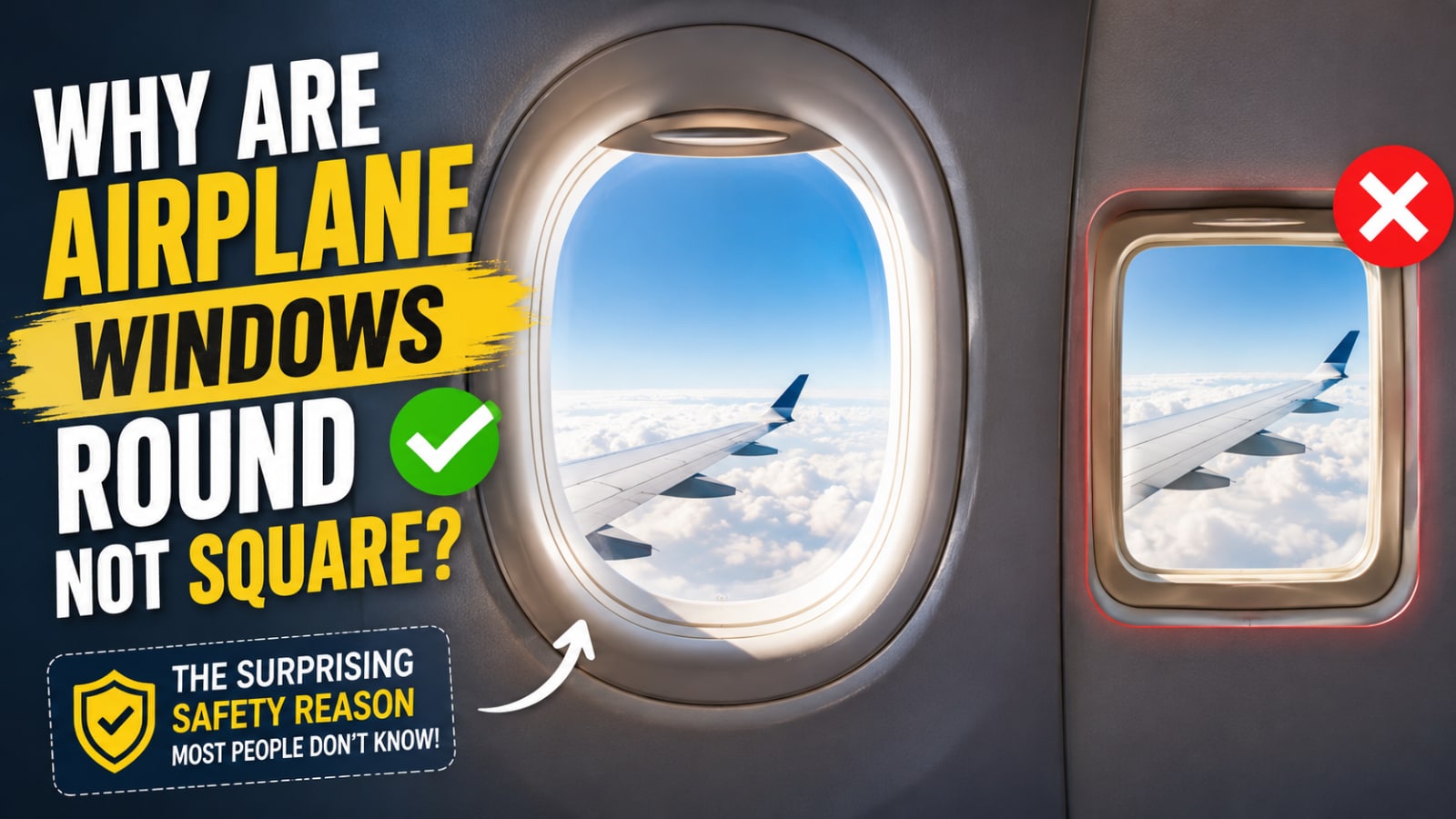
If you’ve ever travelled by air, you may have noticed that aeroplane windows are always round or oval rather than square. While it may seem like a simple design choice, the shape of an aircraft window plays a critical role in ensuring passenger safety. Although square windows might appear to offer a better view, aviation engineers prioritise structural integrity and safety over aesthetics.
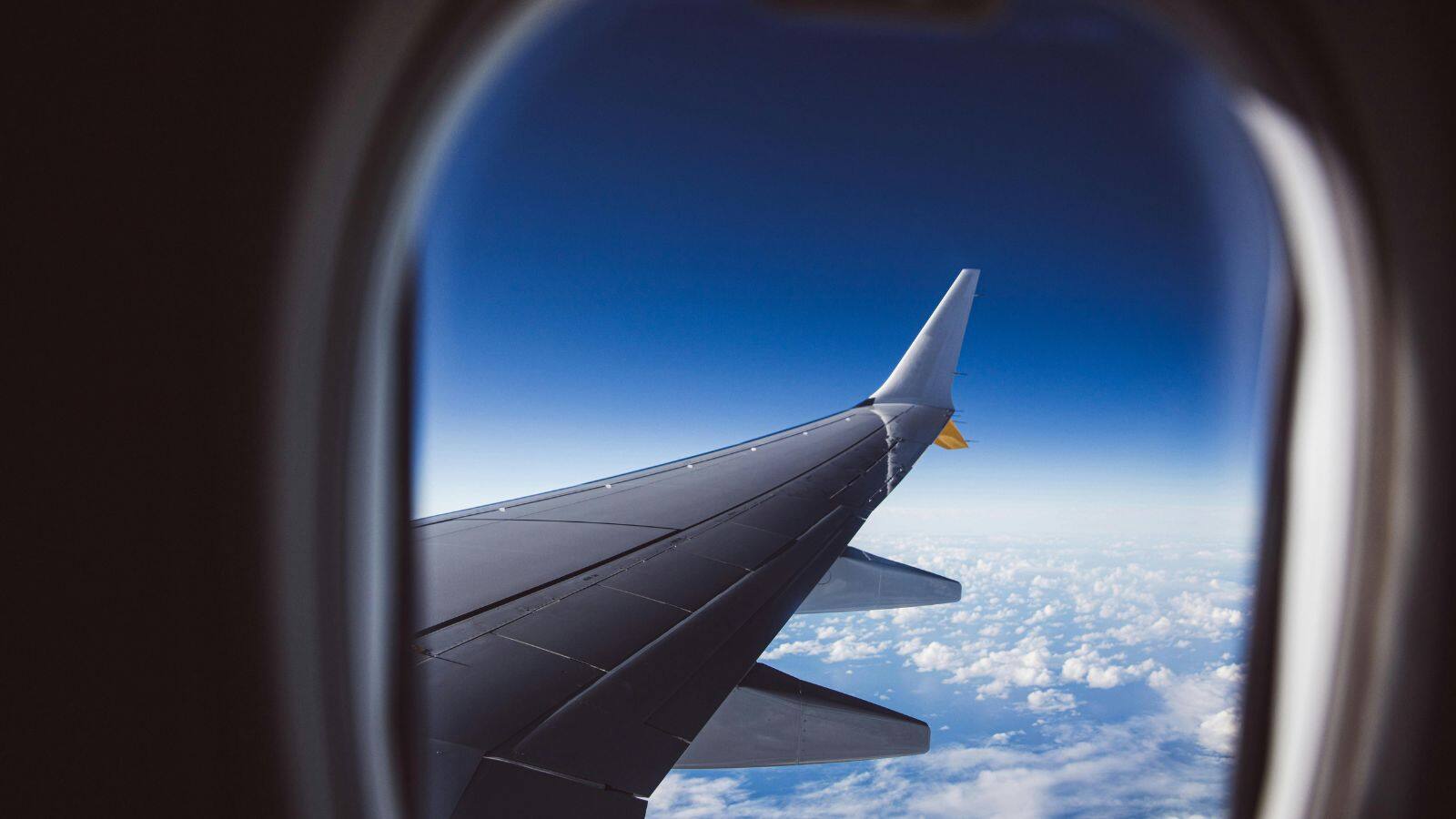
Commercial aircraft fly at altitudes of around 30,000 to 40,000 feet, where the air pressure outside is significantly lower than at ground level. To keep passengers comfortable, the cabin is pressurised, creating a substantial pressure difference between the inside and outside of the aircraft.
During every flight, the aircraft’s fuselage expands and contracts slightly as it experiences repeated pressurisation cycles. This constant stress means every component, including the windows, must be carefully engineered to withstand these forces.

According to aviation experts, square windows create stress concentrations at their sharp corners. Over time, repeated pressure changes can cause tiny cracks to form at these corners. As flights accumulate, those cracks may grow, potentially weakening the aircraft’s structure. Round or oval windows, on the other hand, have no sharp corners. Their curved design distributes pressure more evenly, significantly reducing the likelihood of cracks developing and making them far more suitable for aircraft operating under extreme conditions.

The importance of rounded windows became evident in the 1950s with the de Havilland Comet, the world’s first commercial jet airliner. The aircraft featured square windows, but several catastrophic crashes prompted an extensive investigation.

Investigators found that repeated pressurisation caused cracks to develop at the windows’ sharp corners, leading to structural failures. The findings transformed aircraft design, and manufacturers subsequently adopted round or oval windows as the industry standard.
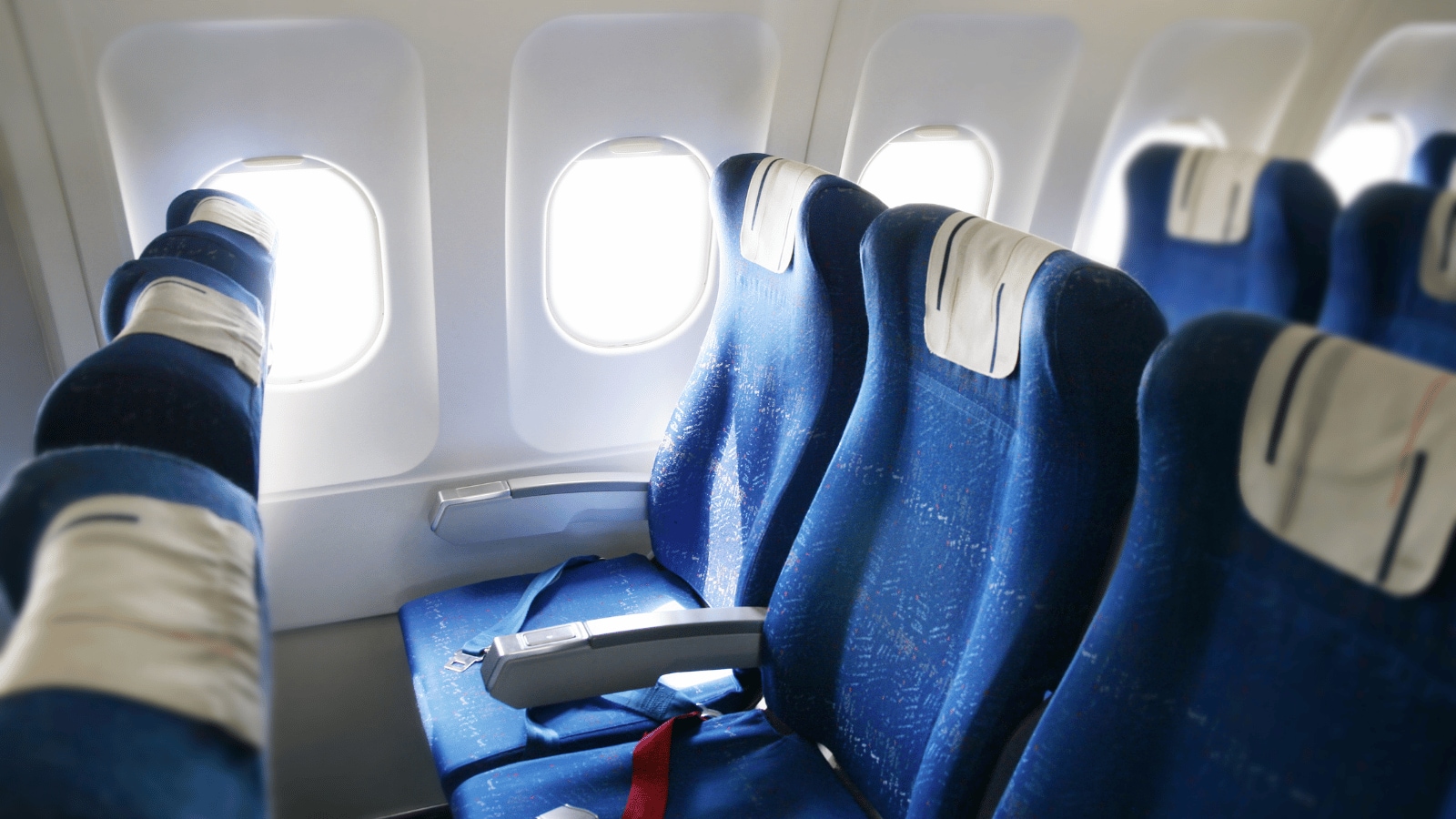
Aeroplane windows are made up of multiple layers rather than a single pane of glass. The small hole visible in the middle layer is known as a breather hole. Its purpose is to help regulate pressure between the window panes, ensuring that most of the pressure is borne by the outer pane. It also helps prevent condensation and fogging, keeping the window clear throughout the flight.
Disclaimer: This article is based on publicly available information and is intended for general informational purposes only.


