












Every time a train rushes past, its wheels are pressing down on two narrow strips of metal. Those rails have to carry hundreds or even thousands of tonnes, withstand repeated impact and remain stable in extreme weather. So, why is steel the material used for railway rails?
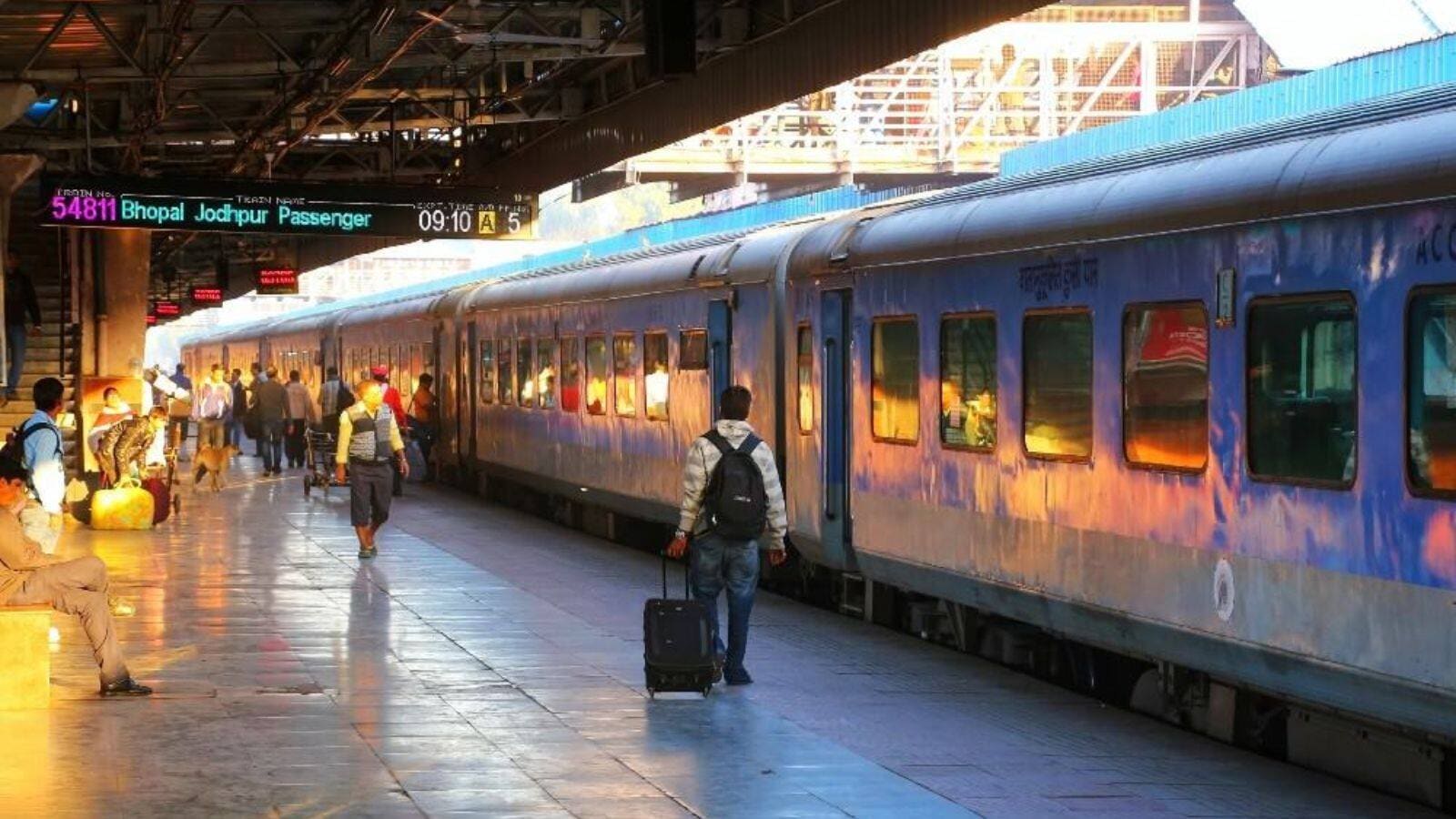
The simple answer is strength and durability. Steel can handle enormous loads without wearing away quickly. It is also tough enough to withstand the repeated stress caused by trains passing over the same track again and again. Railway engineers use specially manufactured rail steel designed to deal with these heavy and repeated forces.

But there is another reason: steel can be shaped and manufactured with great precision. The top of a rail is designed to provide a smooth, consistent surface for train wheels, while its overall shape helps distribute the load safely through the sleepers and ballast underneath.

Modern railways also use long sections of steel rail that are often welded together. This creates what is known as continuously welded rail, reducing the number of joints along the track and providing a smoother ride. Network Rail says continuously welded rail makes up most of its network.
To prevent this, railway engineers carefully manage the tension in rails and use the track structure, including sleepers and ballast, to hold them securely in place. In some places, vulnerable sections of rail are even painted white because the lighter surface absorbs less heat.
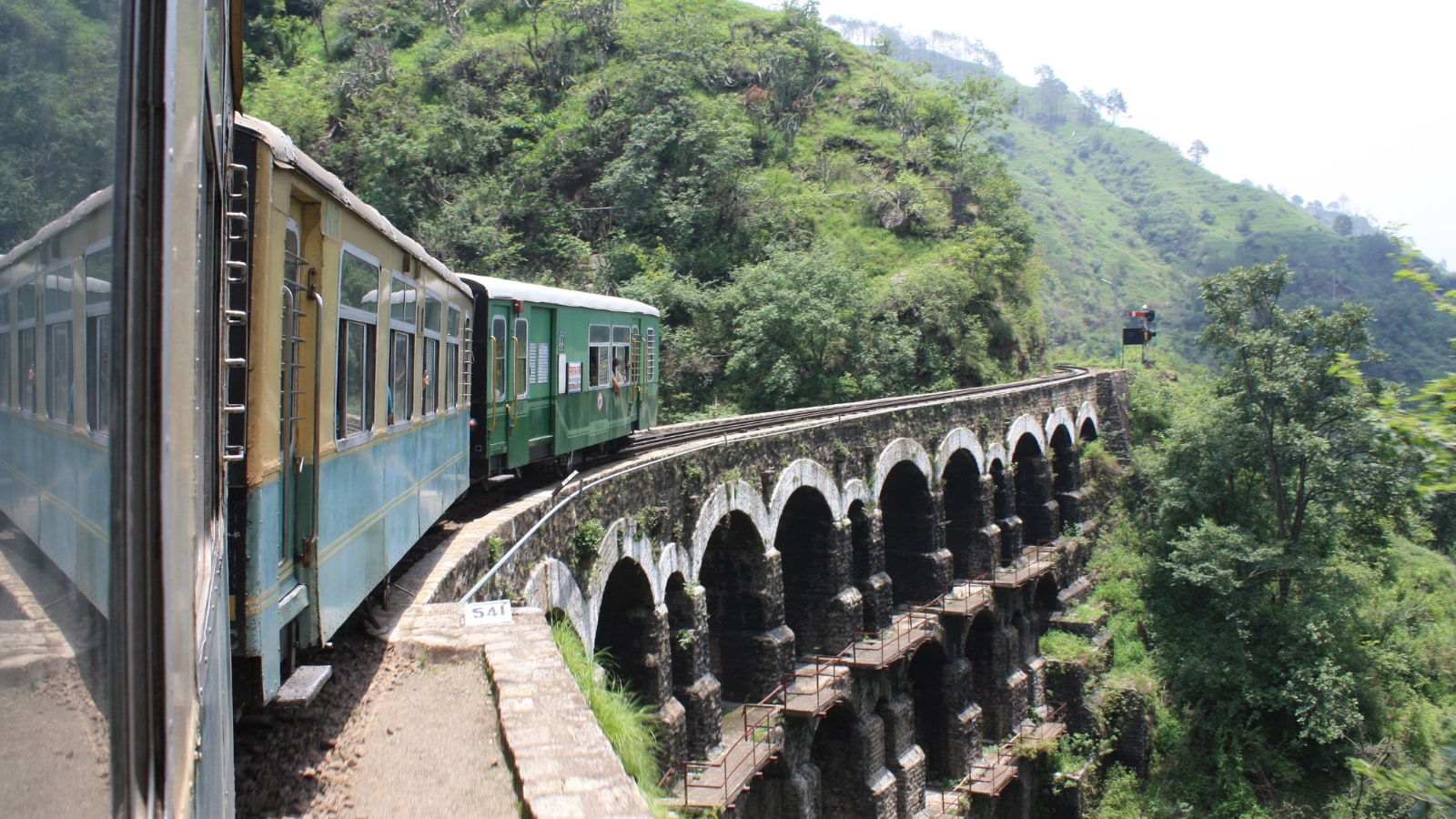
So, the next time you see a railway track, remember: those simple-looking steel rails are carefully engineered to balance strength, flexibility, precision and temperature resistance — all while carrying enormous loads at high speeds.