


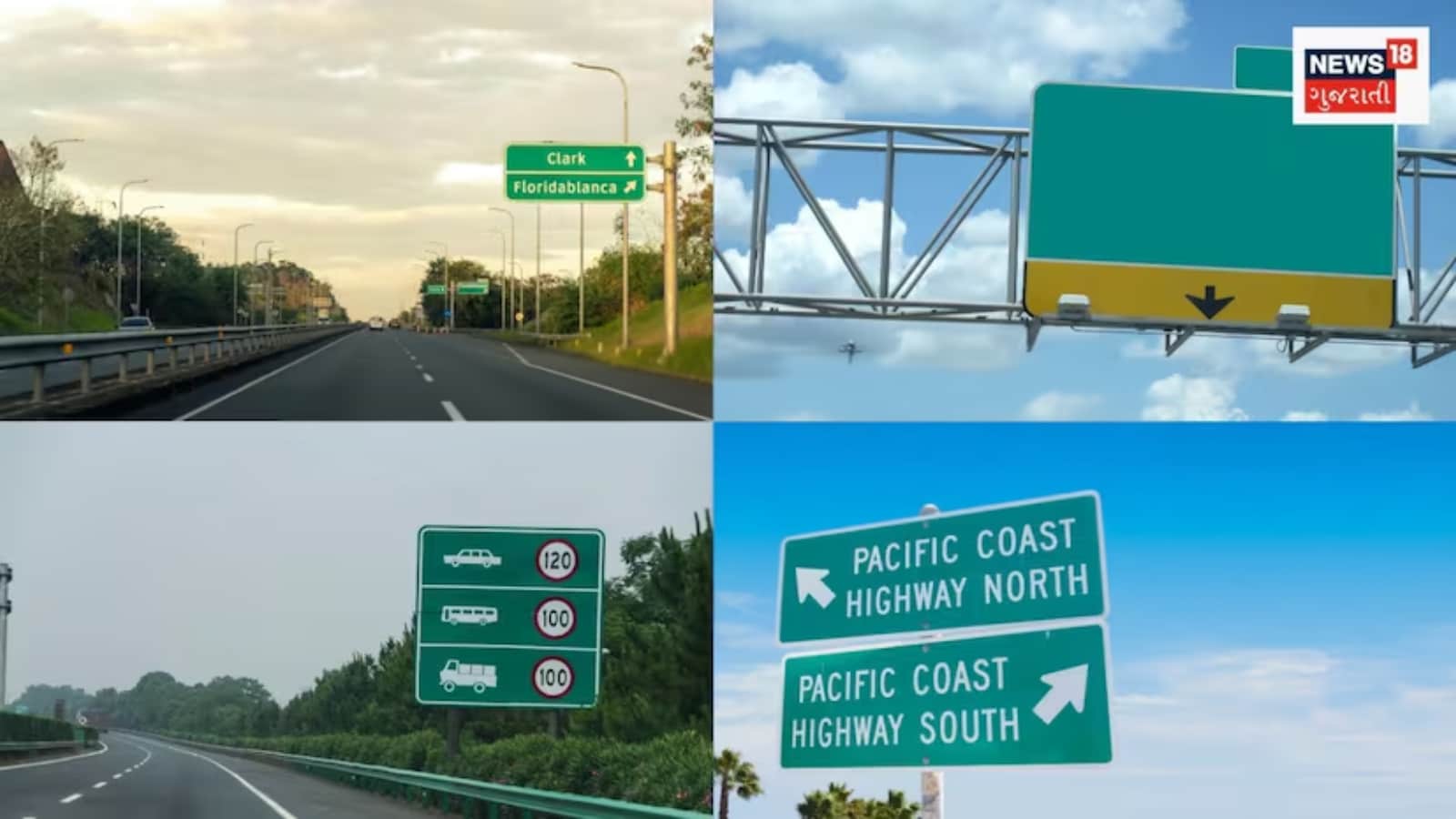
Whether you’re travelling on a national highway or an expressway, you’ve likely noticed the large green signboards placed along the road. These boards display important information such as city names, distances, exit numbers and route directions. While most motorists rely on them during their journeys, very few stop to wonder why highway signboards are almost always green.
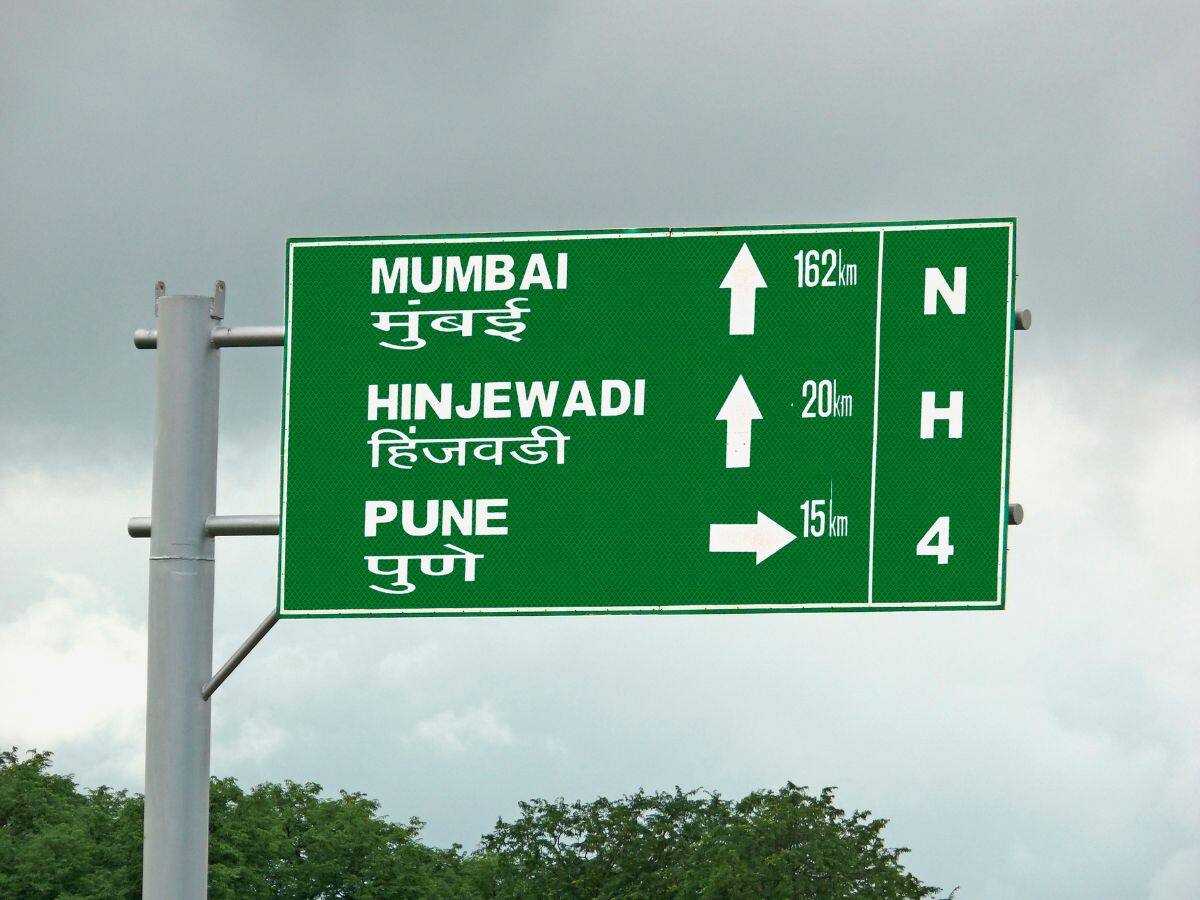
Experts say green is one of the easiest colours for the human eye to process. Unlike brighter or more intense colours, green causes less strain on the eyes, making it particularly useful for drivers covering long distances. Because the colour is associated with nature, it is also believed to have a calming psychological effect, helping motorists stay focused and relaxed while driving. (Image: Canva)
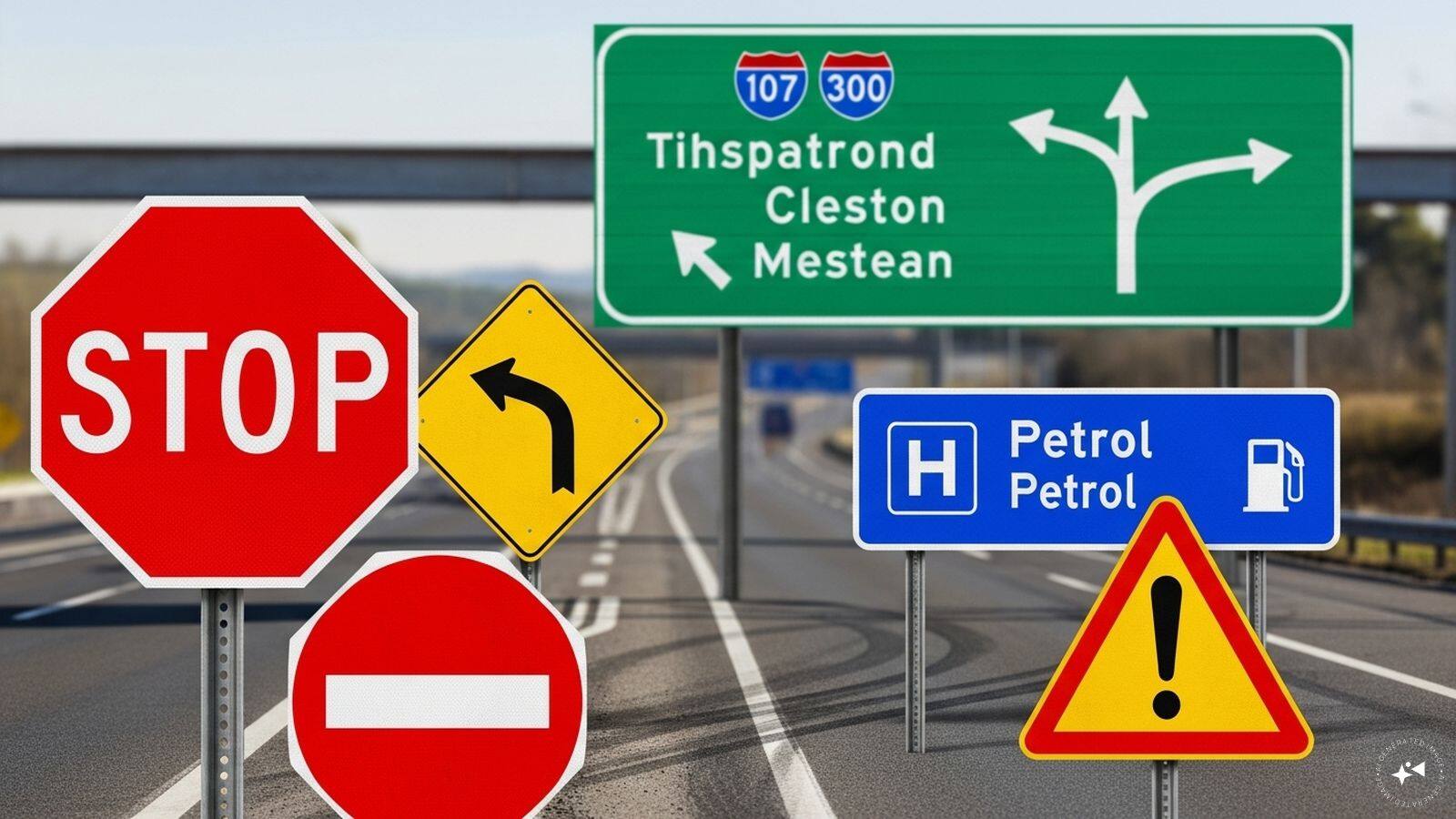
Red is generally used to indicate danger, restrictions or stop commands, while yellow signals caution and alerts drivers to potential hazards ahead. Blue signboards are used to provide information about public facilities such as hospitals, petrol pumps, rest areas and other services. Green, on the other hand, is primarily reserved for directional and route guidance. (Image: AI)
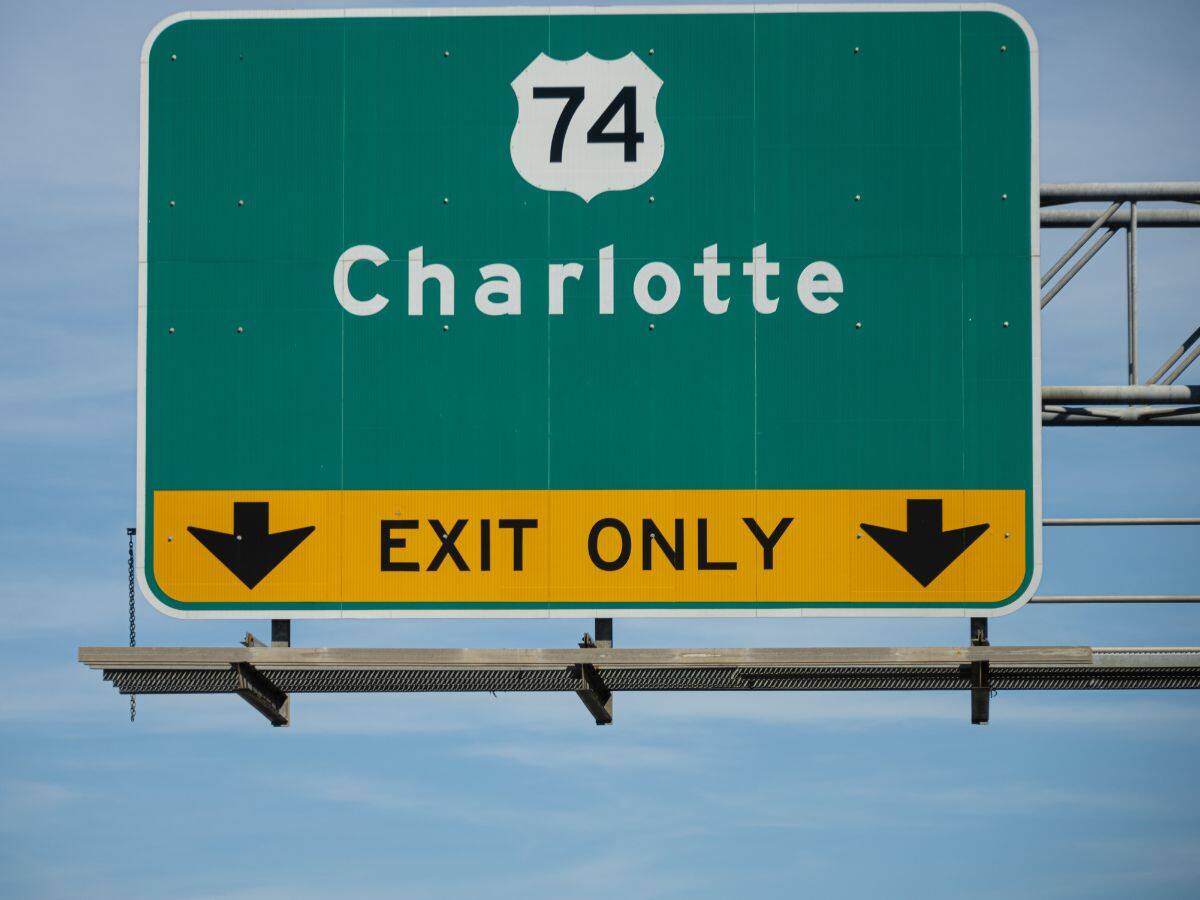
In India, green-background signboards with white lettering are the standard on national and state highways. The combination is chosen because it offers excellent contrast, making the text easy to read even from a considerable distance. (Image: Canva)
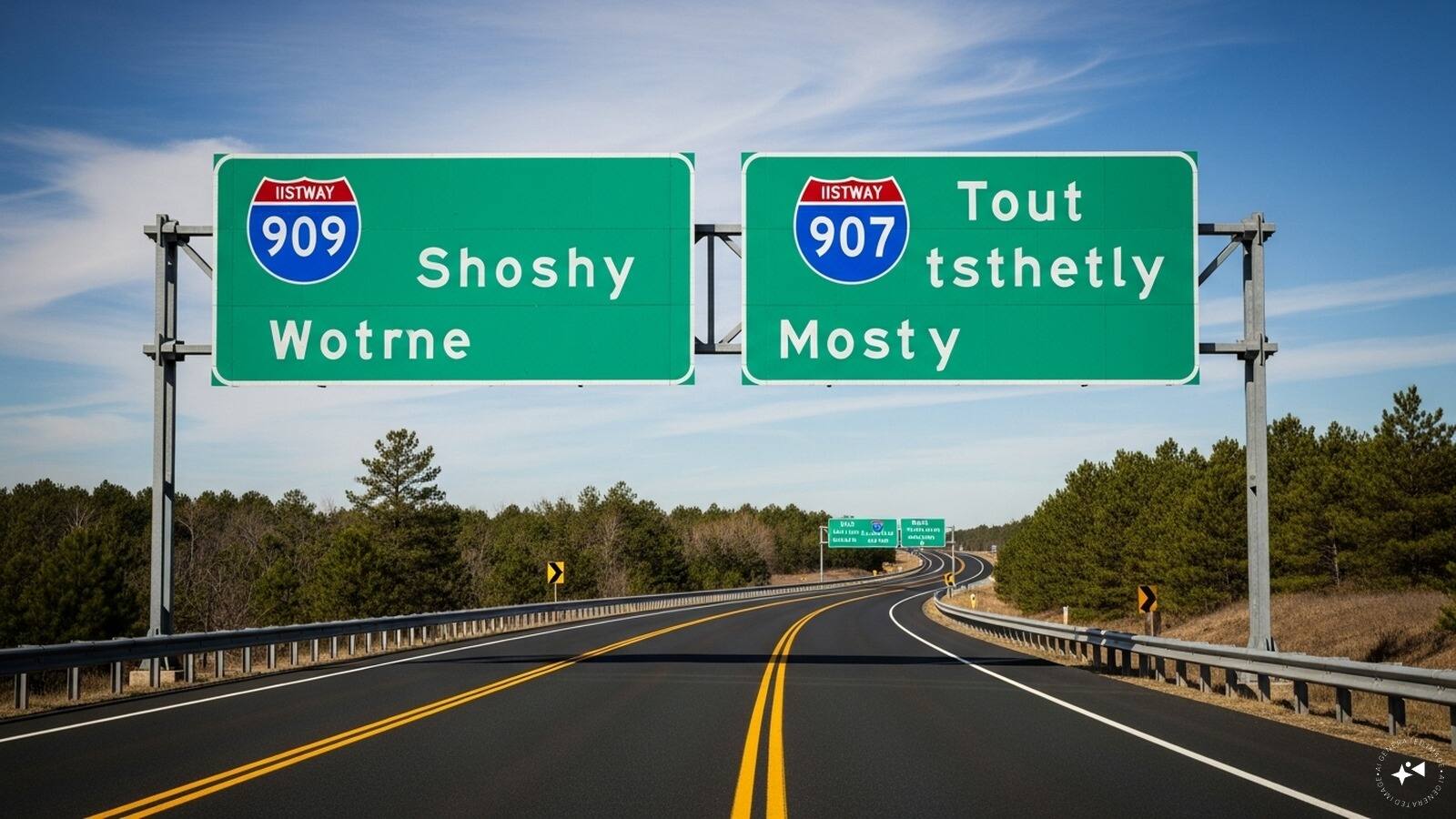
Another major advantage of green signboards is visibility. The contrast created by white text on a green background remains effective during both daytime and nighttime driving. Most modern highway signs are also equipped with retro-reflective materials that reflect vehicle headlights, allowing information to remain clearly visible after dark. (Image: AI)
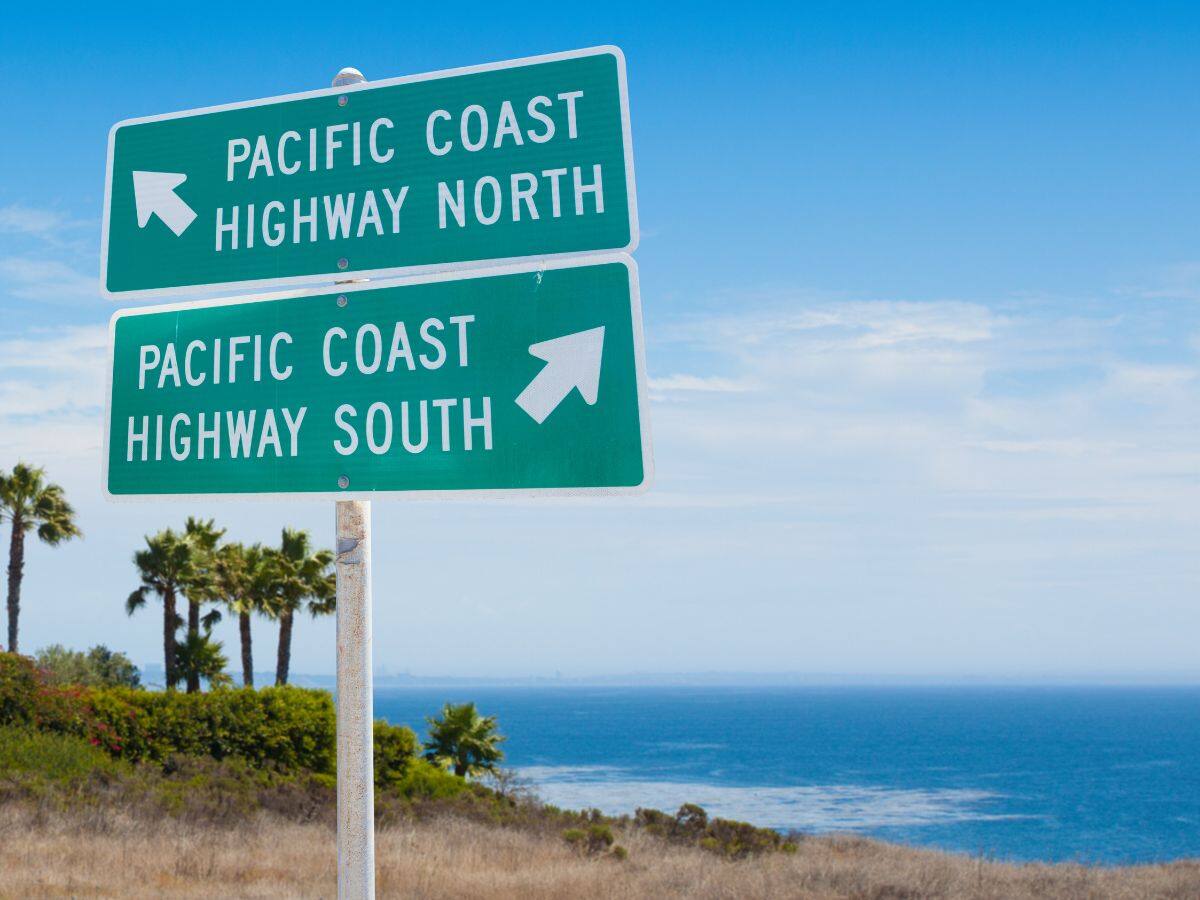
For these reasons, green has become the preferred colour for highway signboards not only in India but in many countries around the world. What may seem like a simple design choice is actually a carefully considered decision aimed at improving visibility, reducing driver fatigue and enhancing road safety. (Image: Canva)