









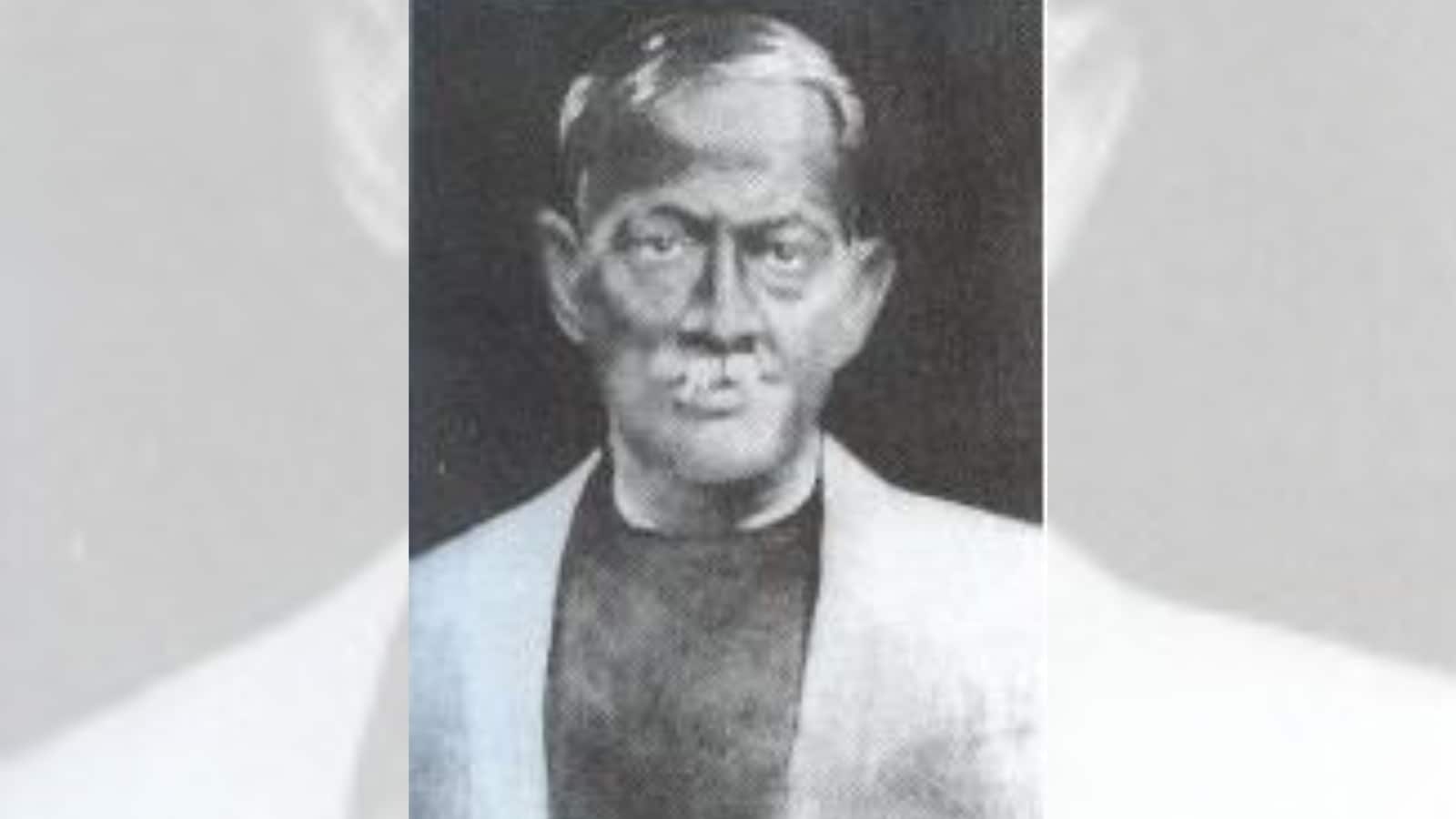
With the FIFA World Cup 2026 captivating fans across the globe, interest in football’s history has also grown. While India has never played in the tournament, the country has a rich footballing heritage shaped by several pioneers. Among them, one name stands out above all – Nagendra Prasad Sarbadhikari, widely regarded as the Father of Indian Football. Here’s why. (Image: Wikimedia Commons)
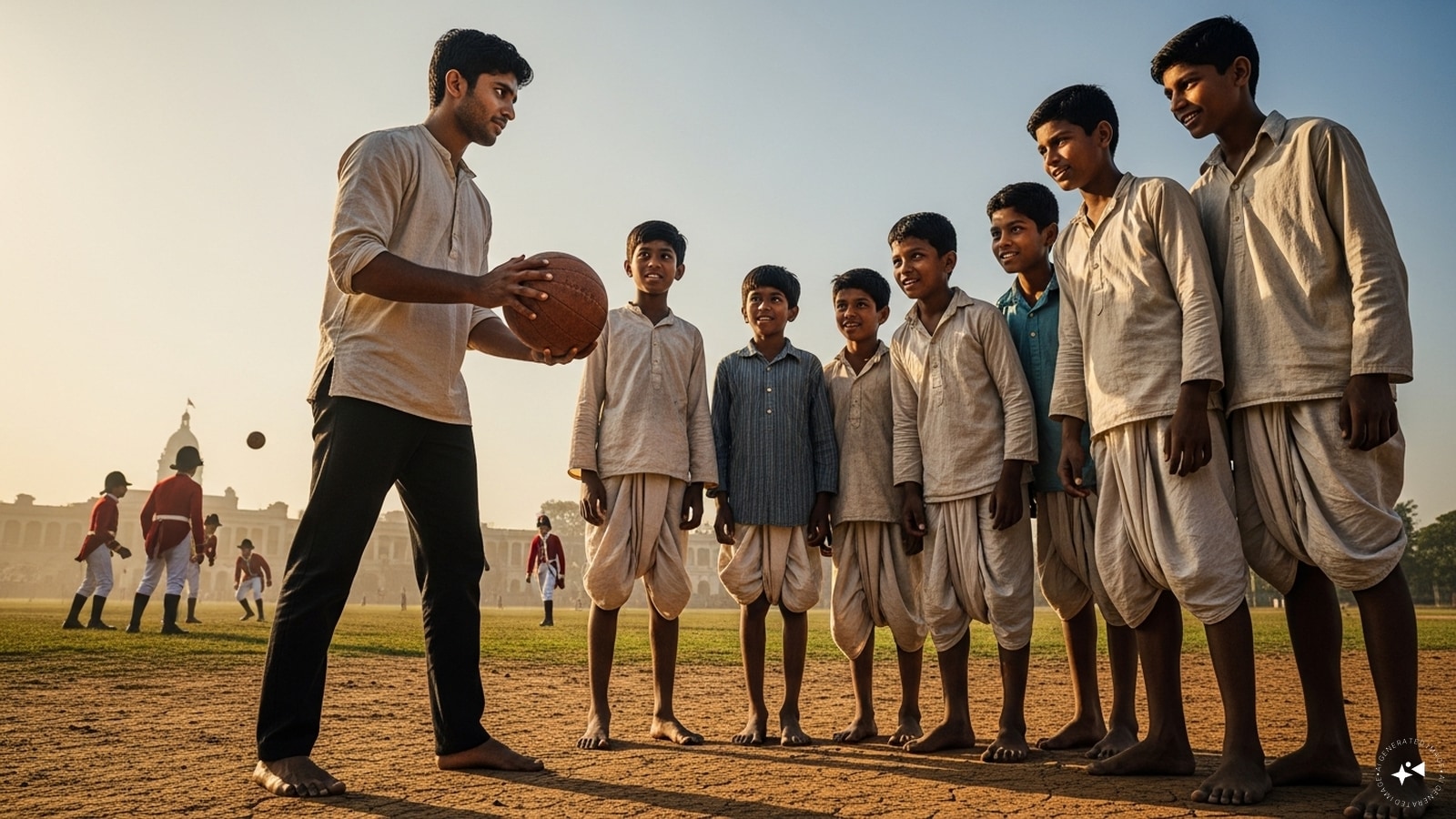
Nagendra Prasad Sarbadhikari was born in Kolkata in 1869. At a time when football was mainly played by British soldiers and officials, he became fascinated by the sport after watching a group of British boys play. He picked up a discarded football and soon began introducing the game to Indian youngsters. (Image: AI-generated)
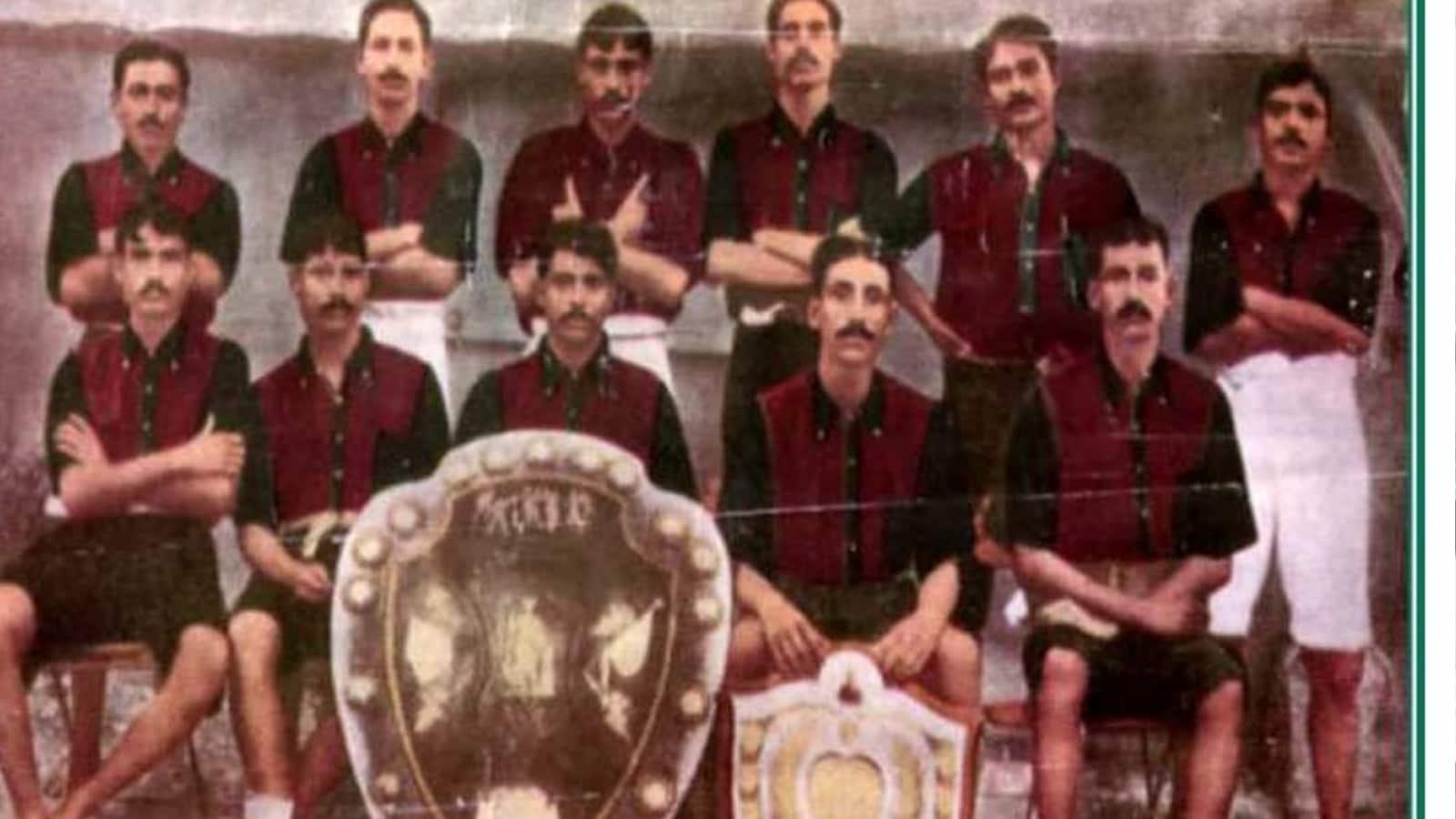
Sarbadhikari played a major role in establishing football clubs in Bengal. In 1887, he helped found Boys’ Club, one of India’s earliest football teams. He later became associated with several other clubs, helping spread the sport among Indians during the colonial era. (Image: Wikimedia Commons)
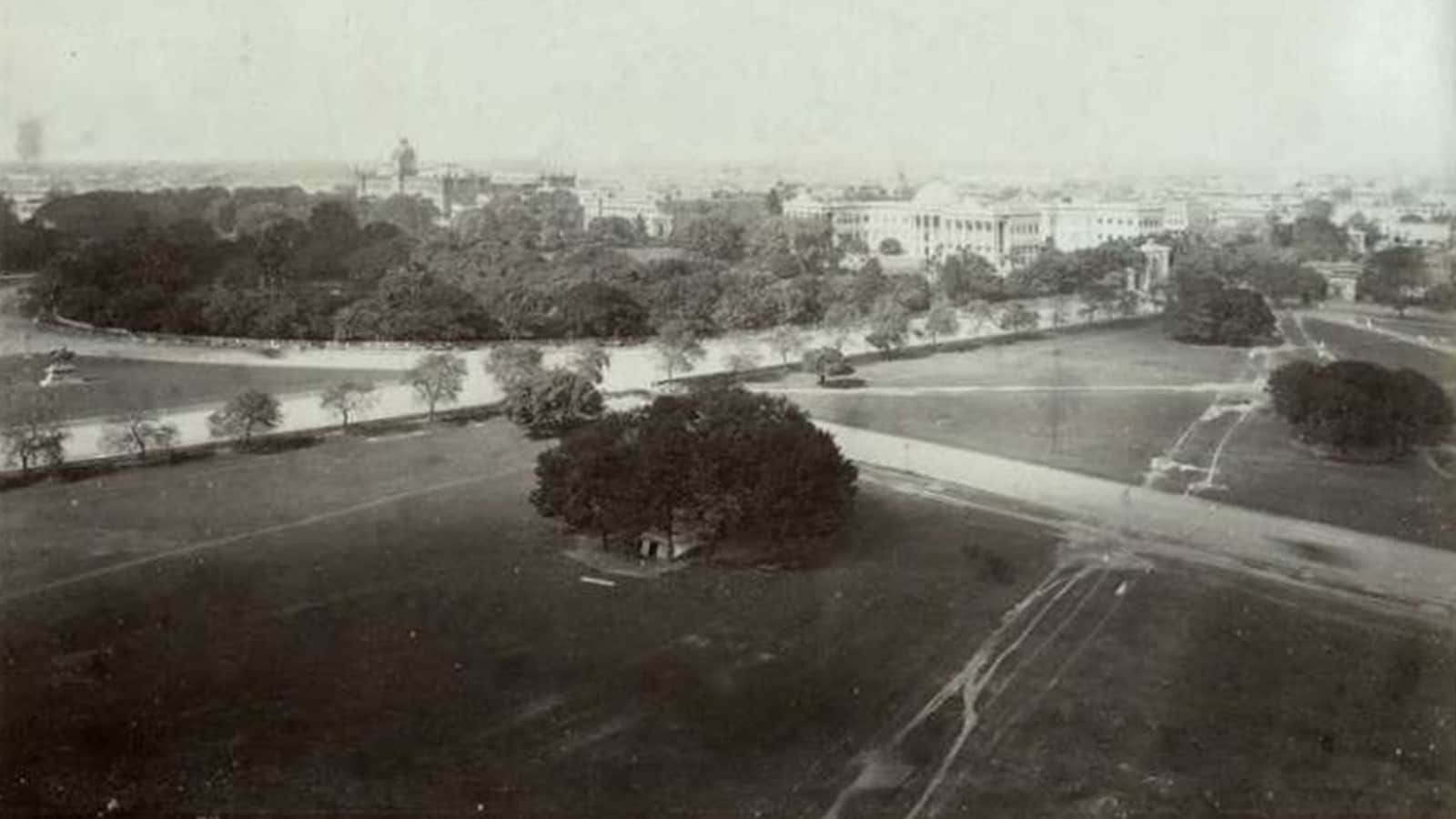
Known as the cradle of Indian football, Kolkata was where the sport first gained popularity. Sarbadhikari worked tirelessly to encourage schools and local communities to take up the game. His efforts helped football grow beyond elite British circles and become accessible to Indians. Apart from promoting football among youngsters, Sarbadhikari was also involved in organising tournaments and clubs. He contributed to the development of a proper football structure in Bengal, which later became one of India’s strongest footballing regions. (Image: Wikimedia Commons)
Sarbadhikari served in important administrative roles within the Indian Football Association (IFA). His contributions helped strengthen the game’s foundations and ensured that football continued to flourish in the country. (Image: Wikimedia Commons)
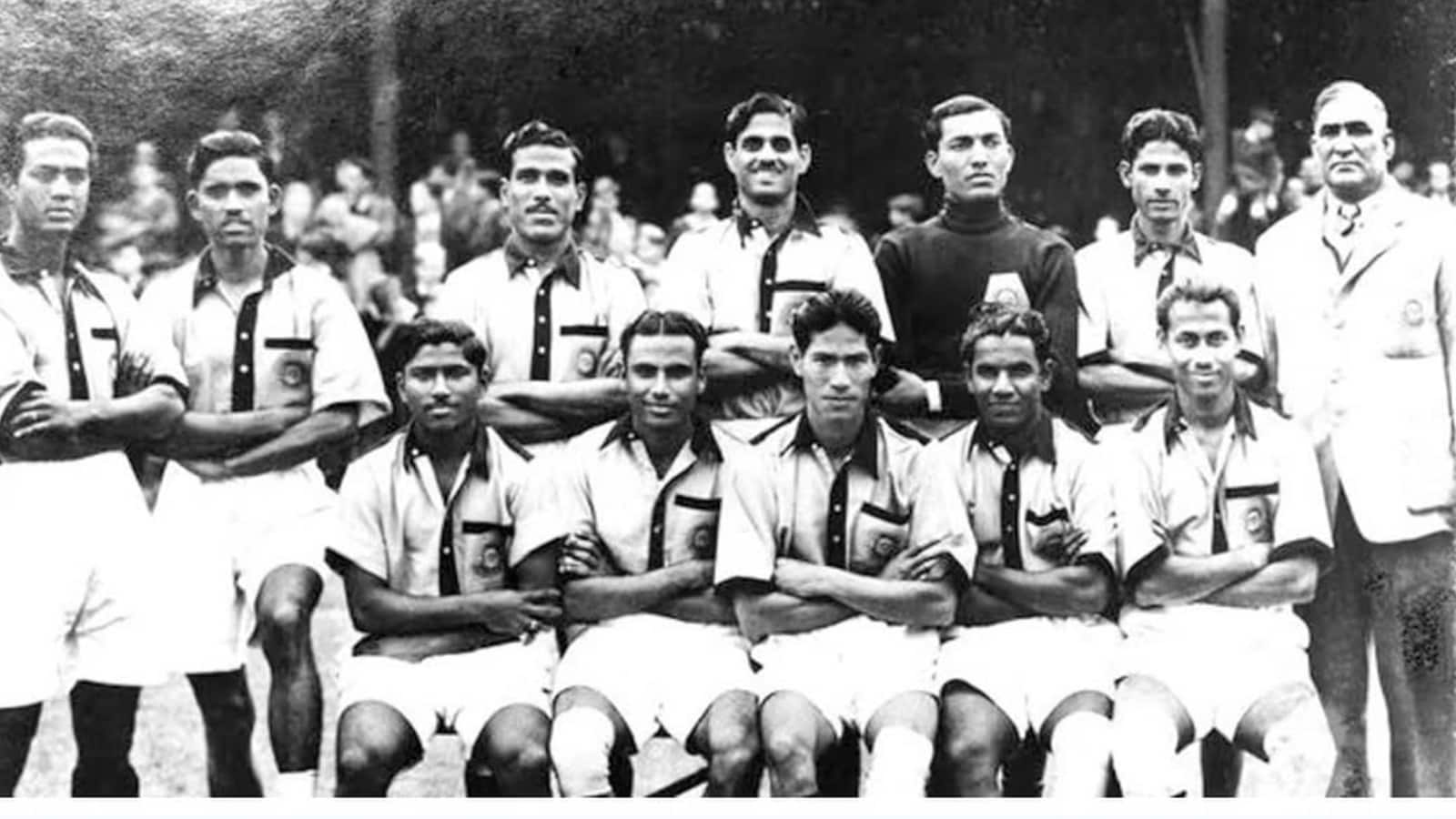
Because of his pioneering efforts, Nagendra Prasad Sarbadhikari is remembered as the Father of Indian Football. His work laid the foundation for future achievements, including India’s famous victory at the 1951 Asian Games and the golden era of Indian football in the 1950s and 1960s. (Image: Instagram/@sportskeeda)
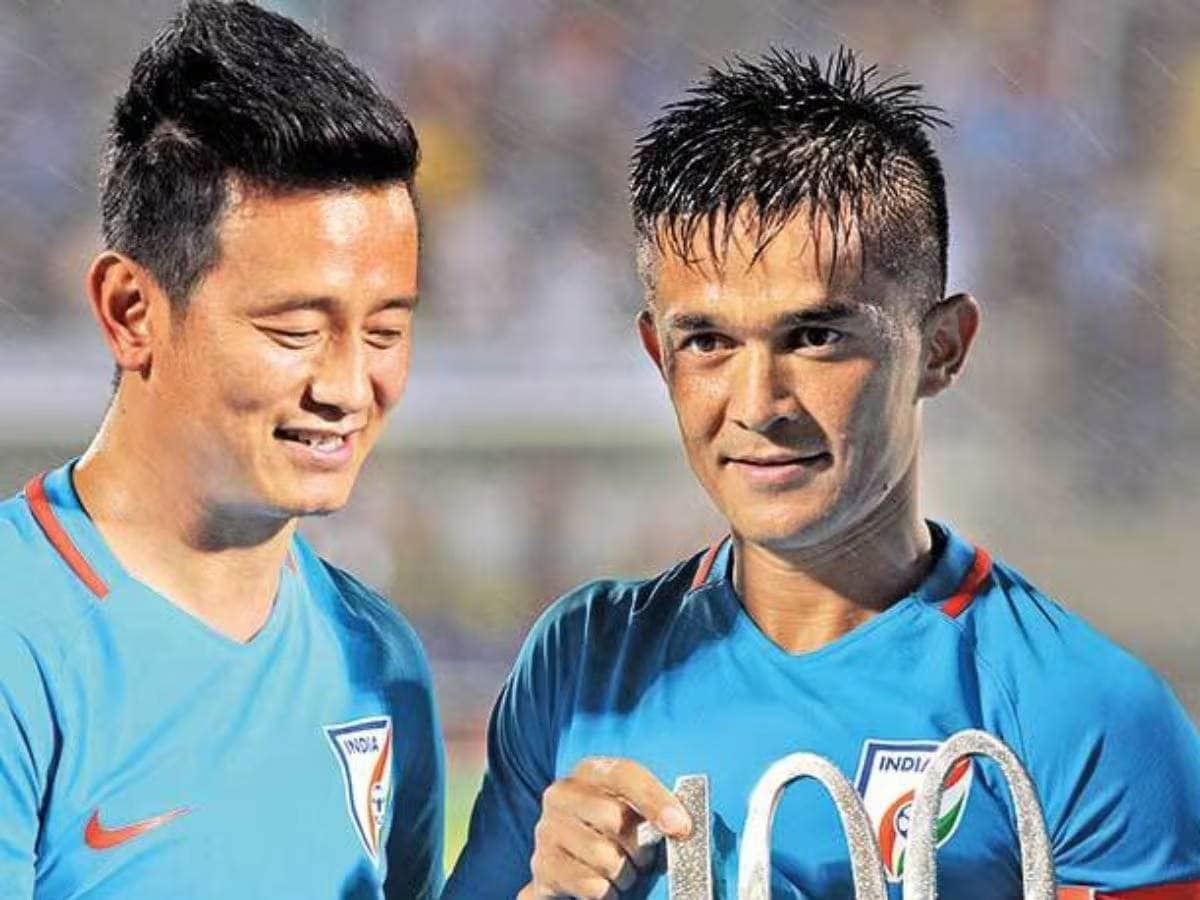
While Sarbadhikari is considered the Father of Indian Football, several players and coaches have carried forward his legacy. Icons such as Sailen Manna, P.K. Banerjee, Chuni Goswami, Bhaichung Bhutia and Sunil Chhetri have played major roles in shaping Indian football and inspiring generations of fans. (File photo)