









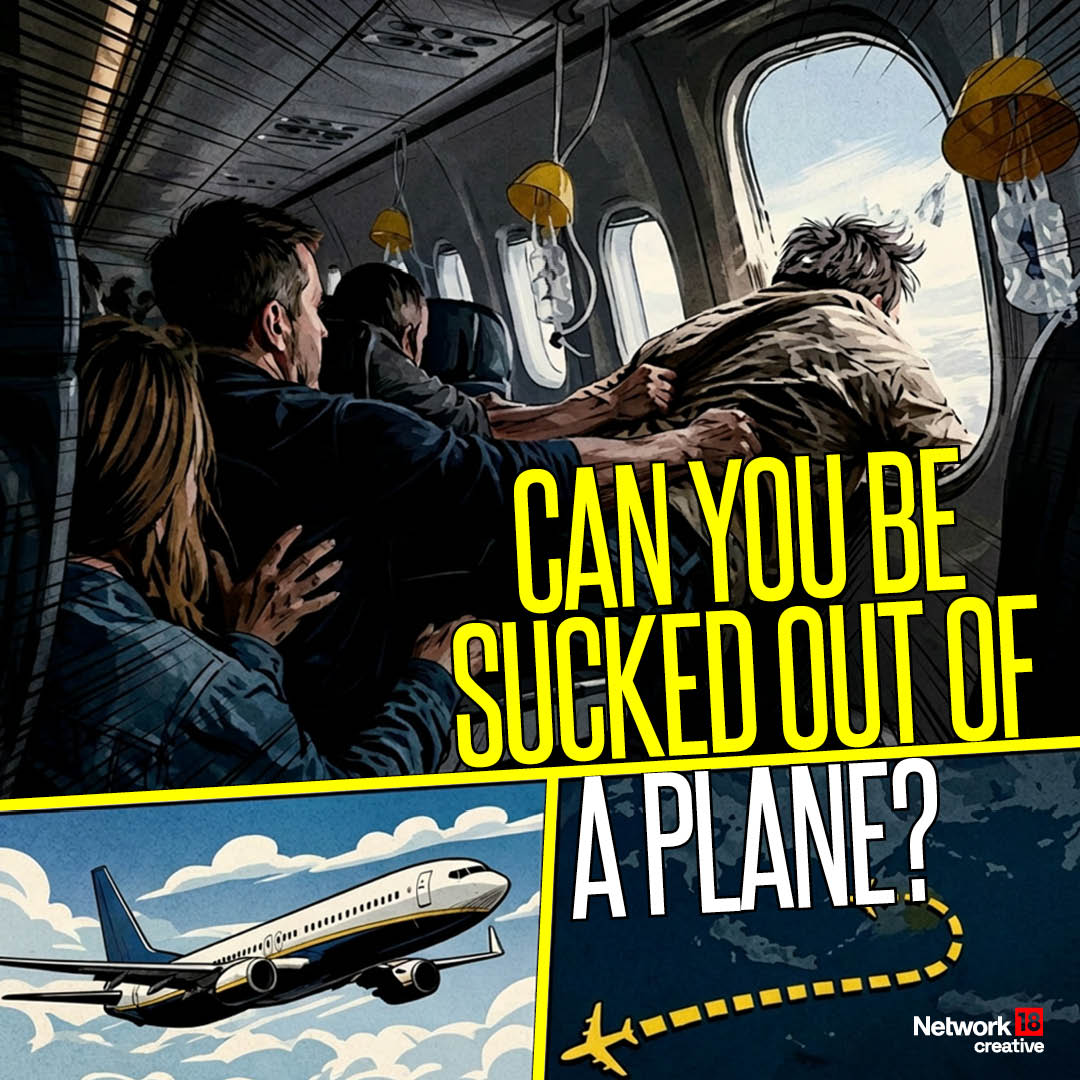
Hollywood makes it look terrifying, but what really happens if an aircraft loses cabin pressure? Here’s the science behind one of flying’s biggest fears.
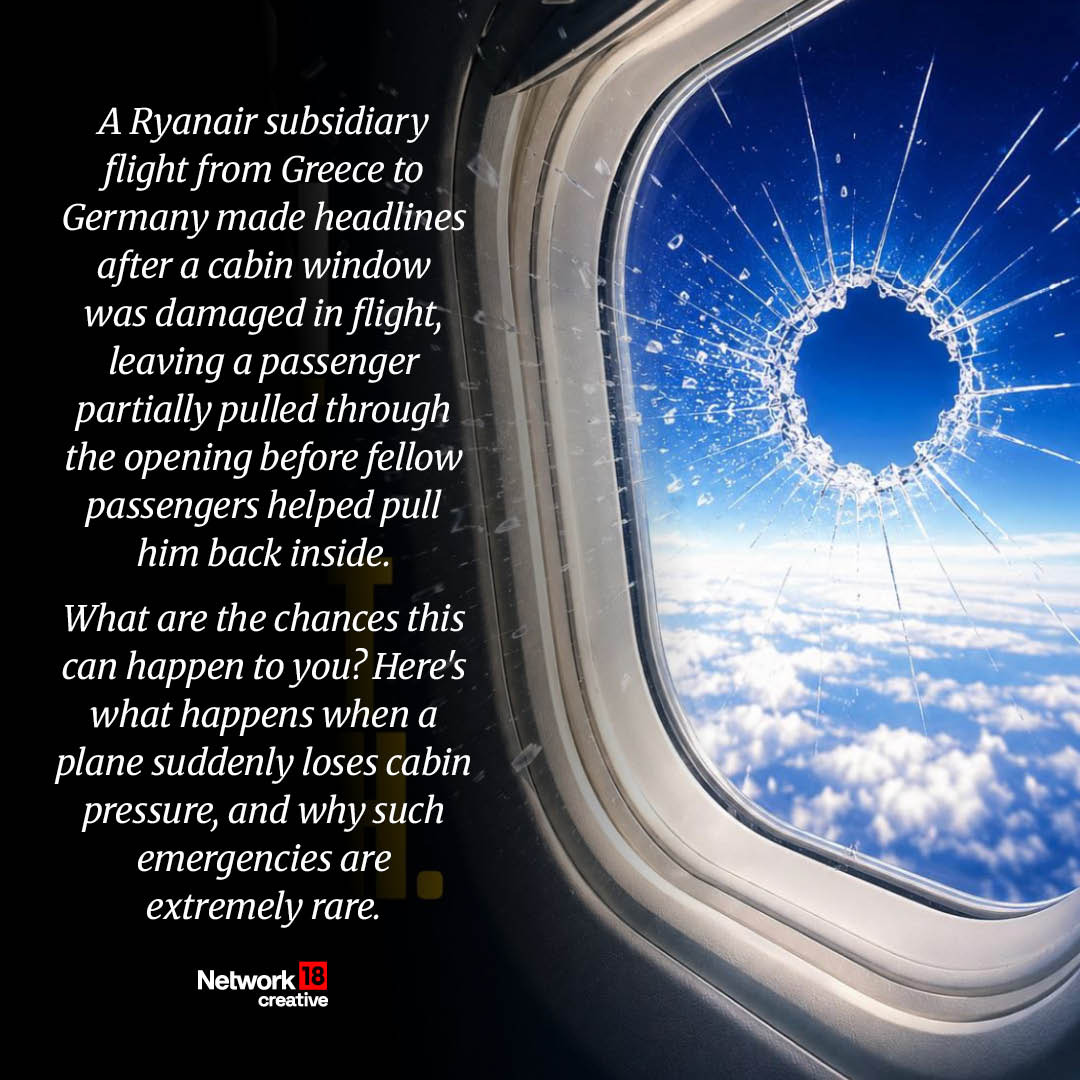
A recent incident involving a Ryanair subsidiary flight reignited questions about cabin safety after a damaged window caused a passenger to be partially pulled toward the opening. Fortunately, such incidents are extremely rare, and modern aircraft are designed to handle them.
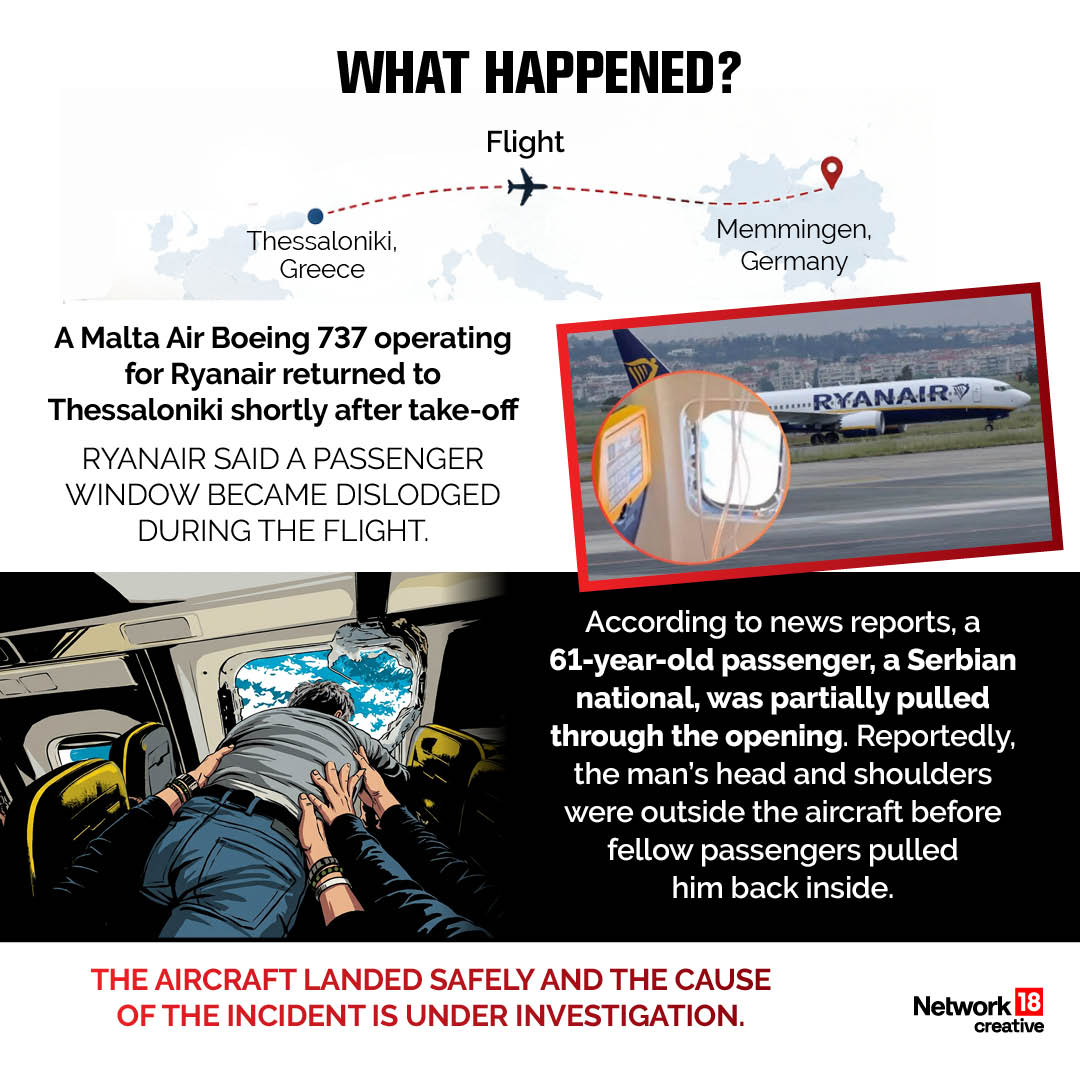
Rapid decompression occurs when cabin pressure suddenly drops because of damage to the aircraft. This creates a powerful rush of air as the cabin pressure tries to equalise with the thinner air outside.
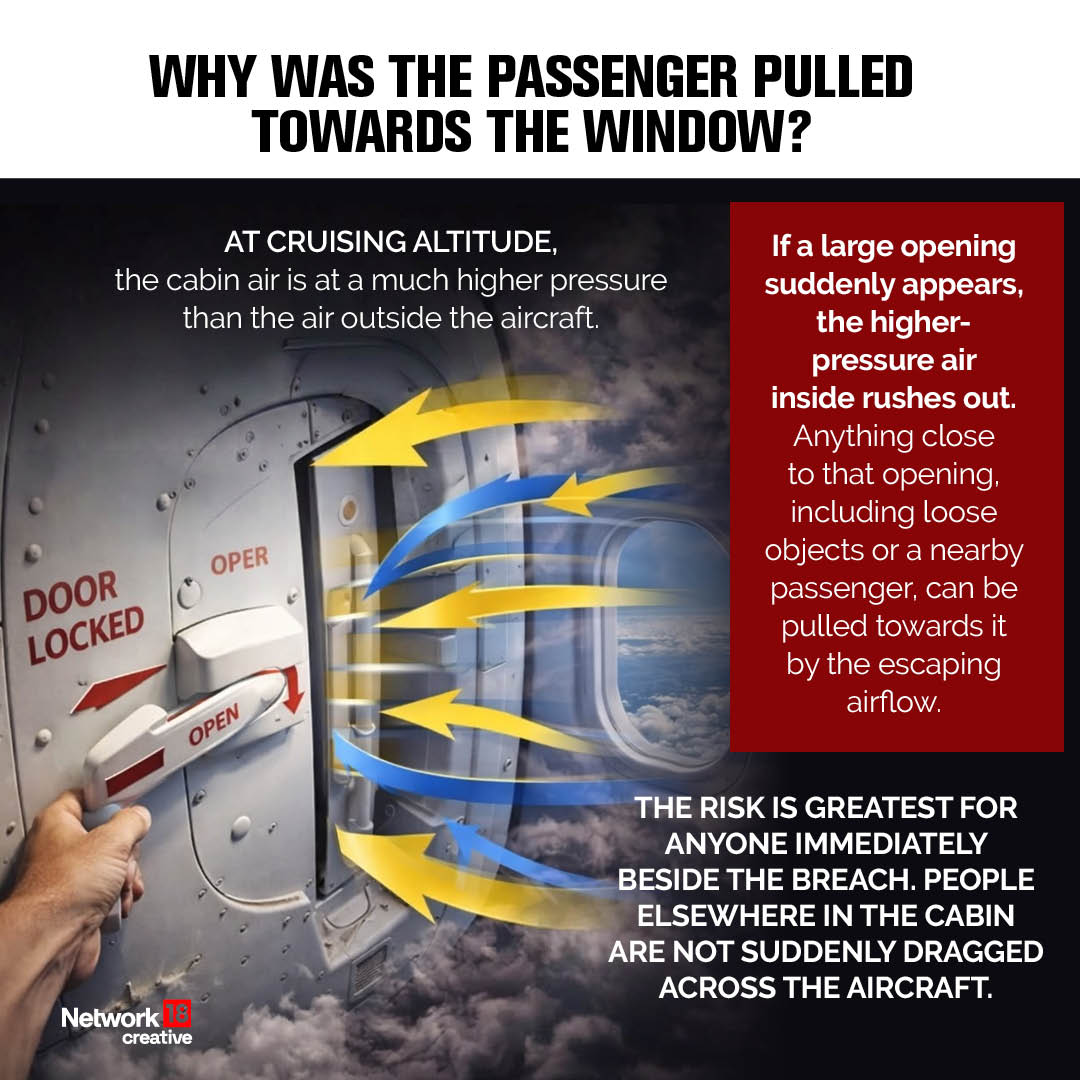
The force wasn’t because the plane was “sucking” the passenger out. Instead, the higher-pressure air inside the cabin rushed toward the lower-pressure air outside, creating a strong airflow that can pull loose objects, and in rare cases, people, toward an opening.
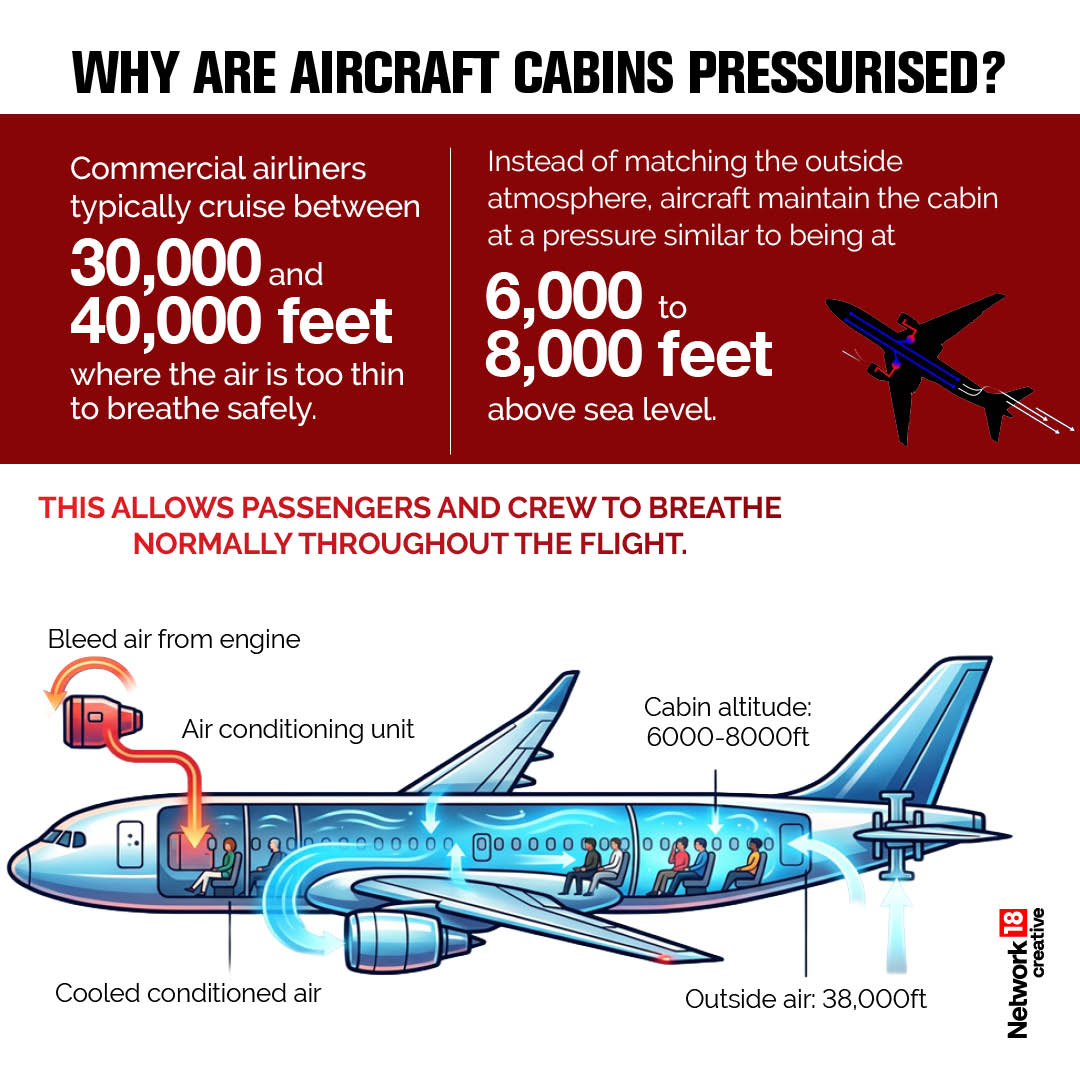
Commercial jets fly at altitudes where the air is too thin to breathe comfortably. Cabin pressurisation keeps oxygen levels at a safe and comfortable level, allowing passengers to travel without needing supplemental oxygen during normal flights.
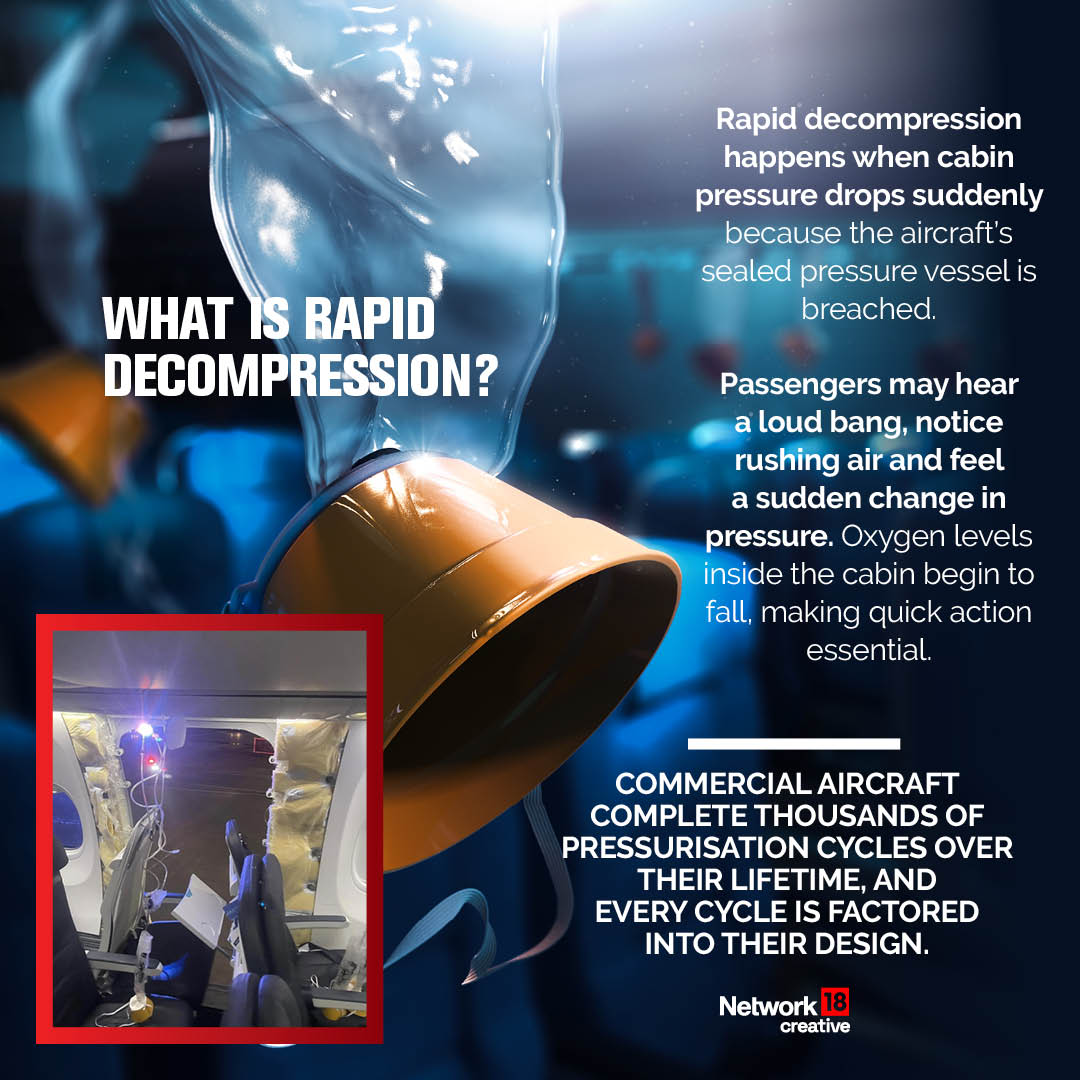
Rapid decompression happens in seconds. The cabin pressure falls quickly, oxygen levels drop, and passengers may hear a loud bang or feel a sudden rush of air. Pilots are trained to respond immediately by descending to a safer altitude.
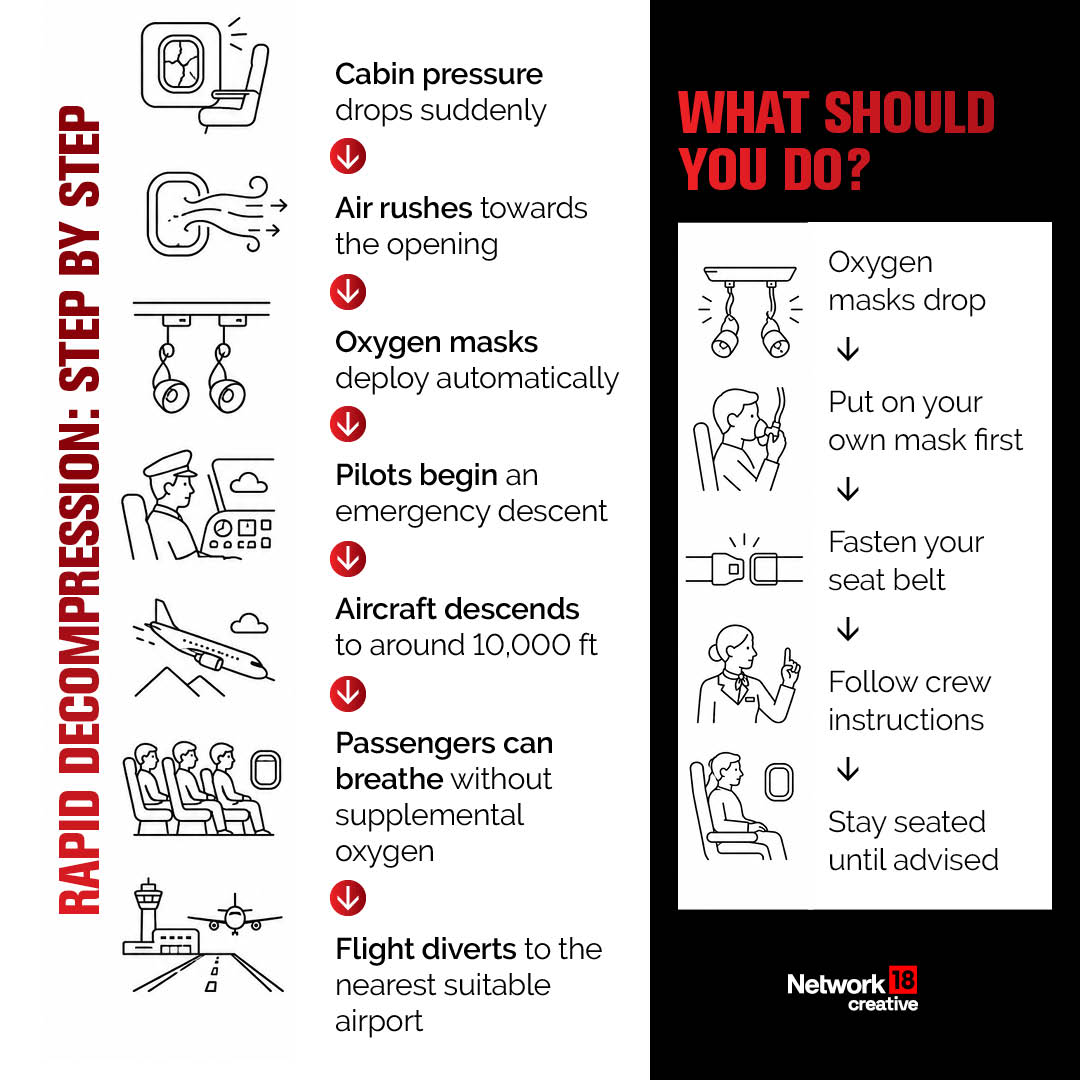
If cabin pressure drops, stay calm. Put on your oxygen mask immediately. Secure children or anyone needing assistance. Remain seated with your seat belt fastened. Follow the cabin crew’s instructions.
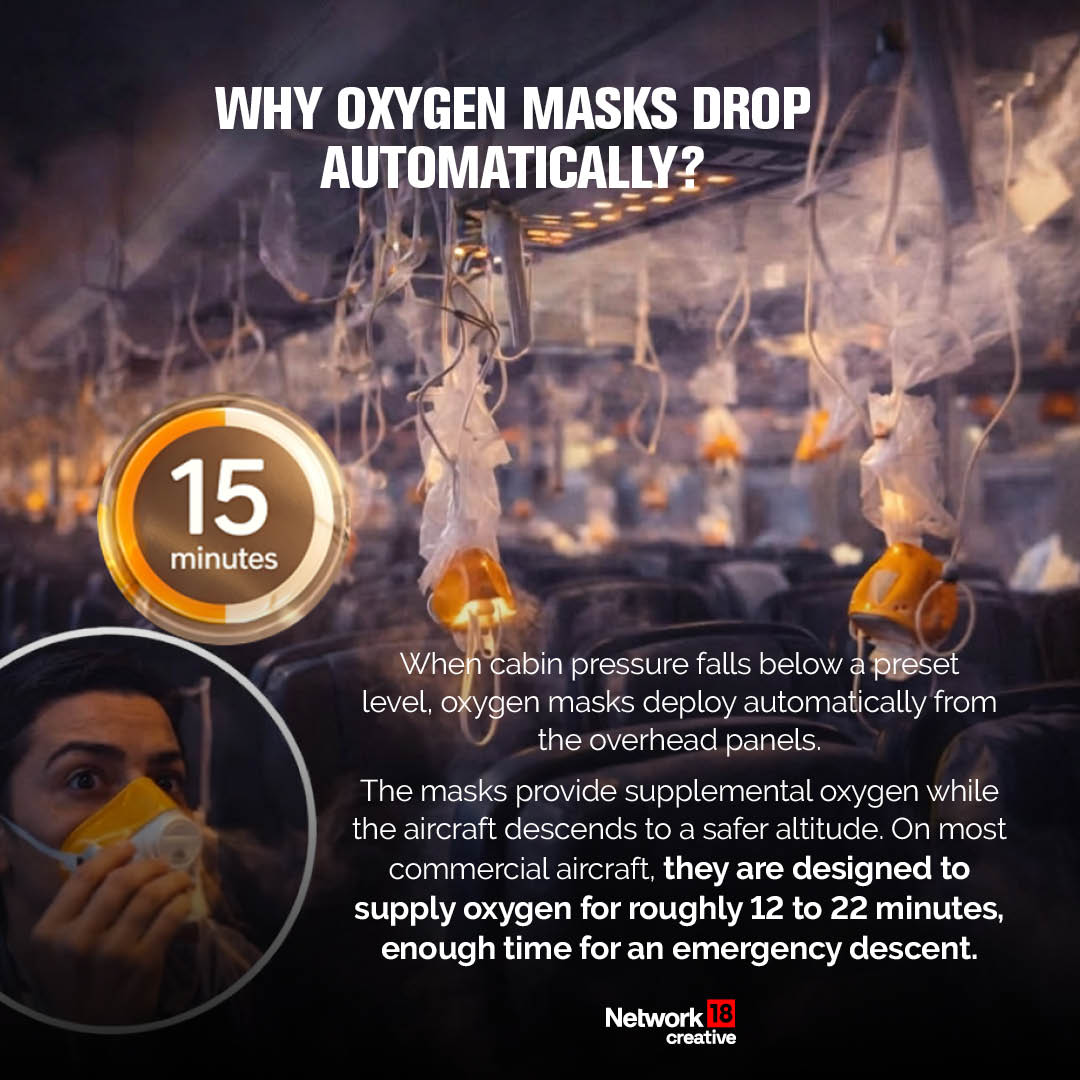
The masks deploy automatically when cabin pressure falls below a certain level. They provide enough oxygen to keep passengers conscious until the aircraft descends to an altitude where breathing is safe again.
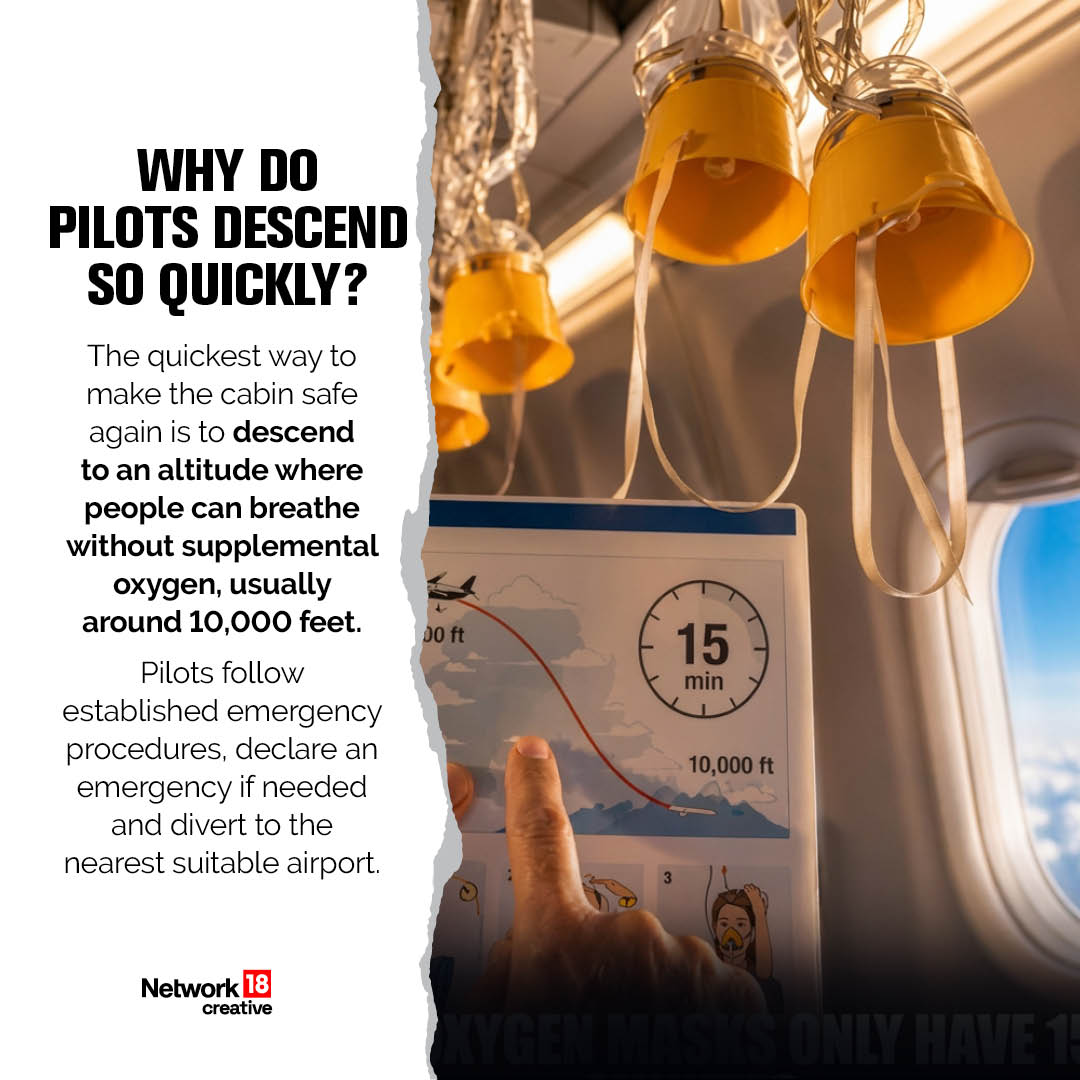
An emergency descent isn’t a sign of losing control; it’s a standard safety procedure. Pilots descend rapidly to around 10,000 feet, where the air contains enough oxygen for passengers to breathe normally.
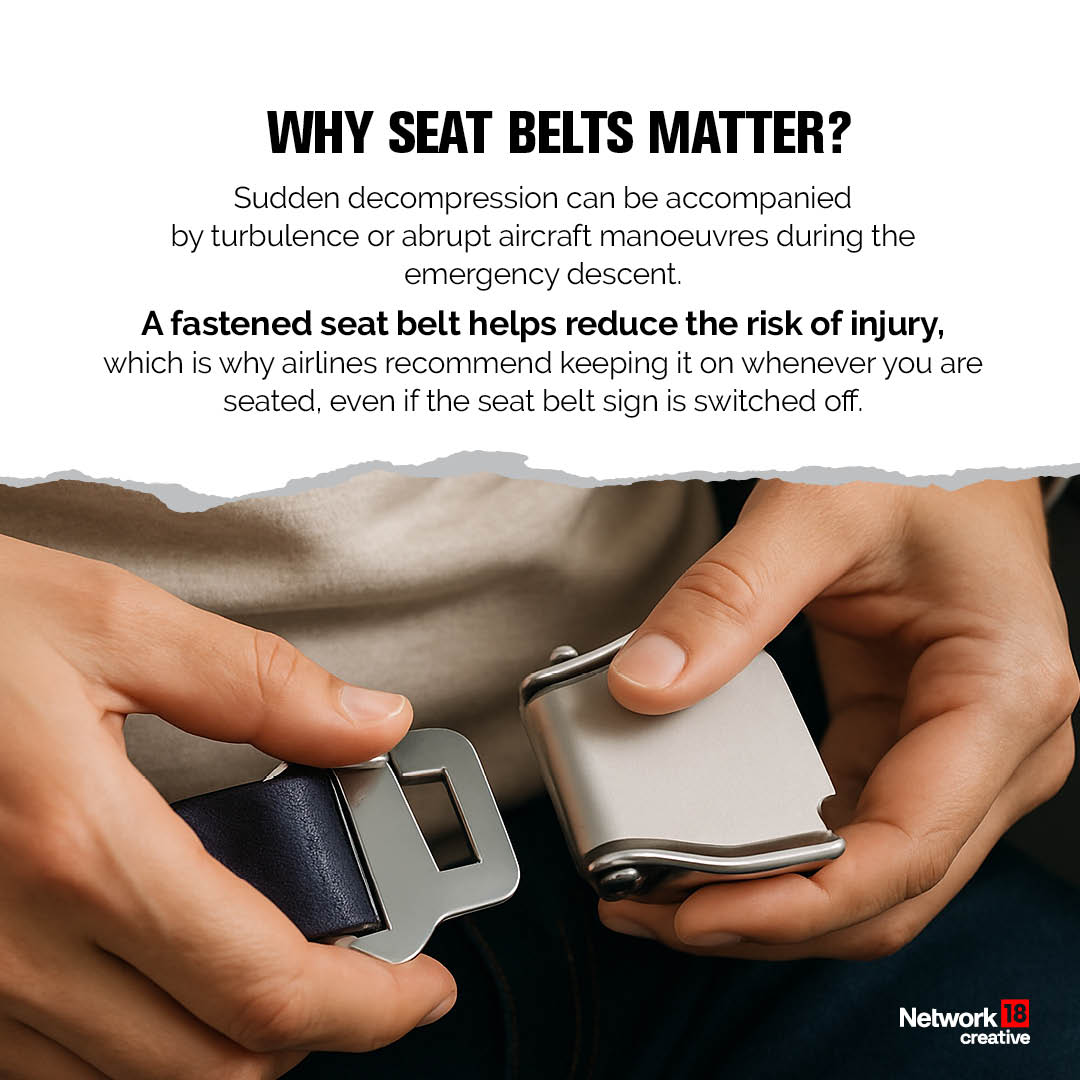
Seat belts are your best protection during sudden turbulence or decompression. Even if the cabin experiences a powerful rush of air, being buckled up greatly reduces the risk of injury.
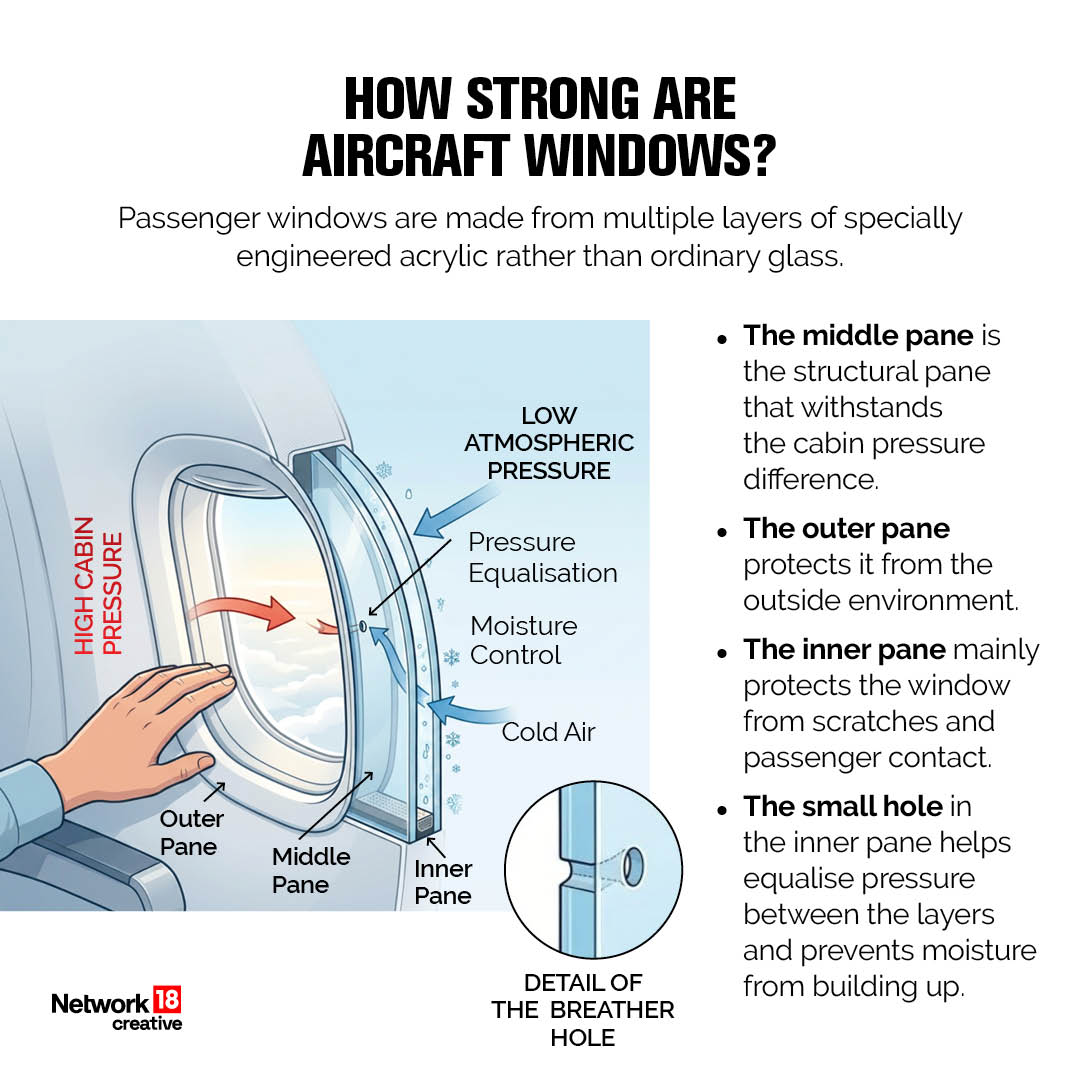
Aircraft windows are built with multiple layers of reinforced material and are tested to withstand extreme pressure differences, impacts and temperature changes. Window failures are exceptionally uncommon.
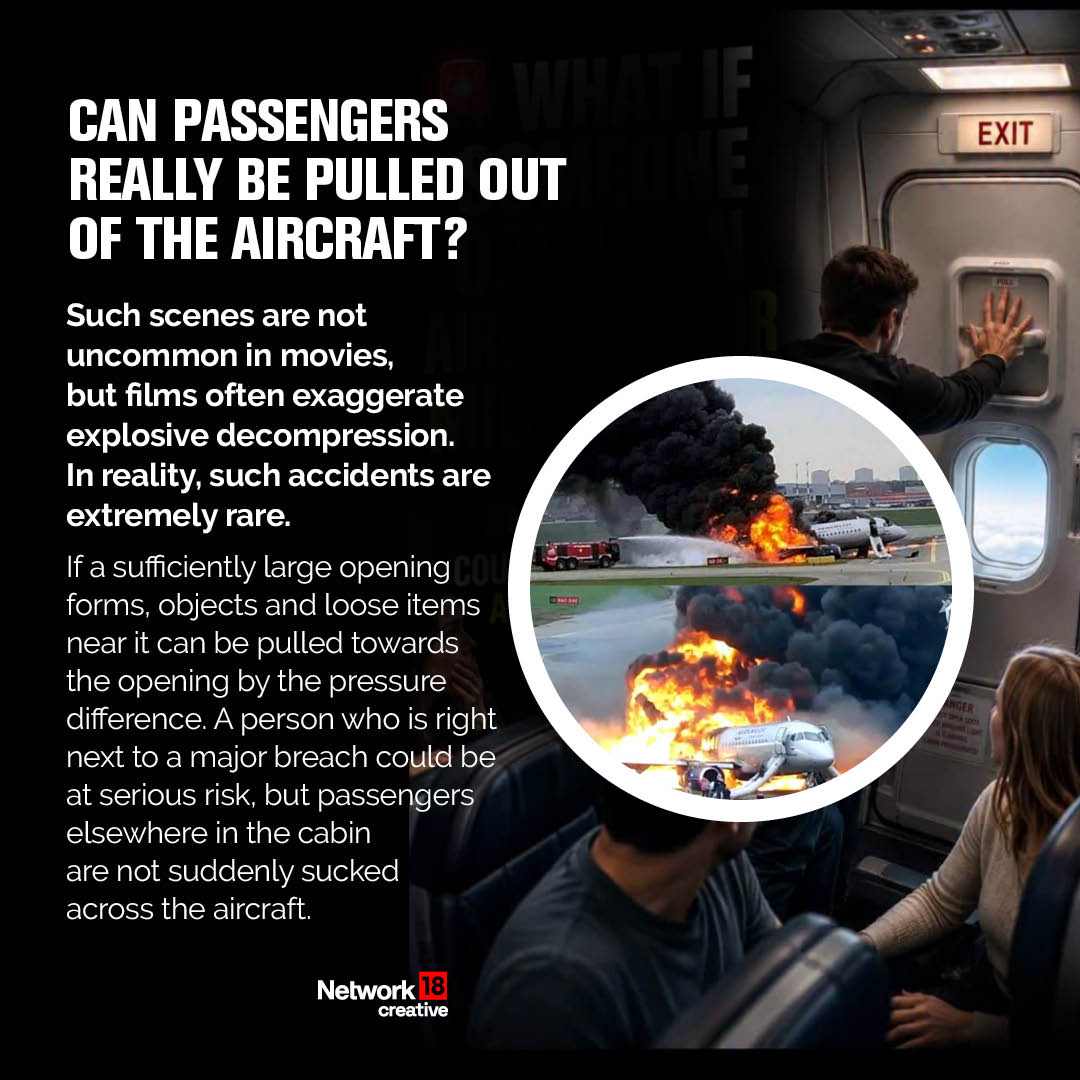
Can passengers really be pulled out of a plane? It’s extremely unlikely. While someone sitting right next to a large opening without a seat belt could be at risk, most passengers elsewhere in the cabin are not in danger of being “sucked out.”
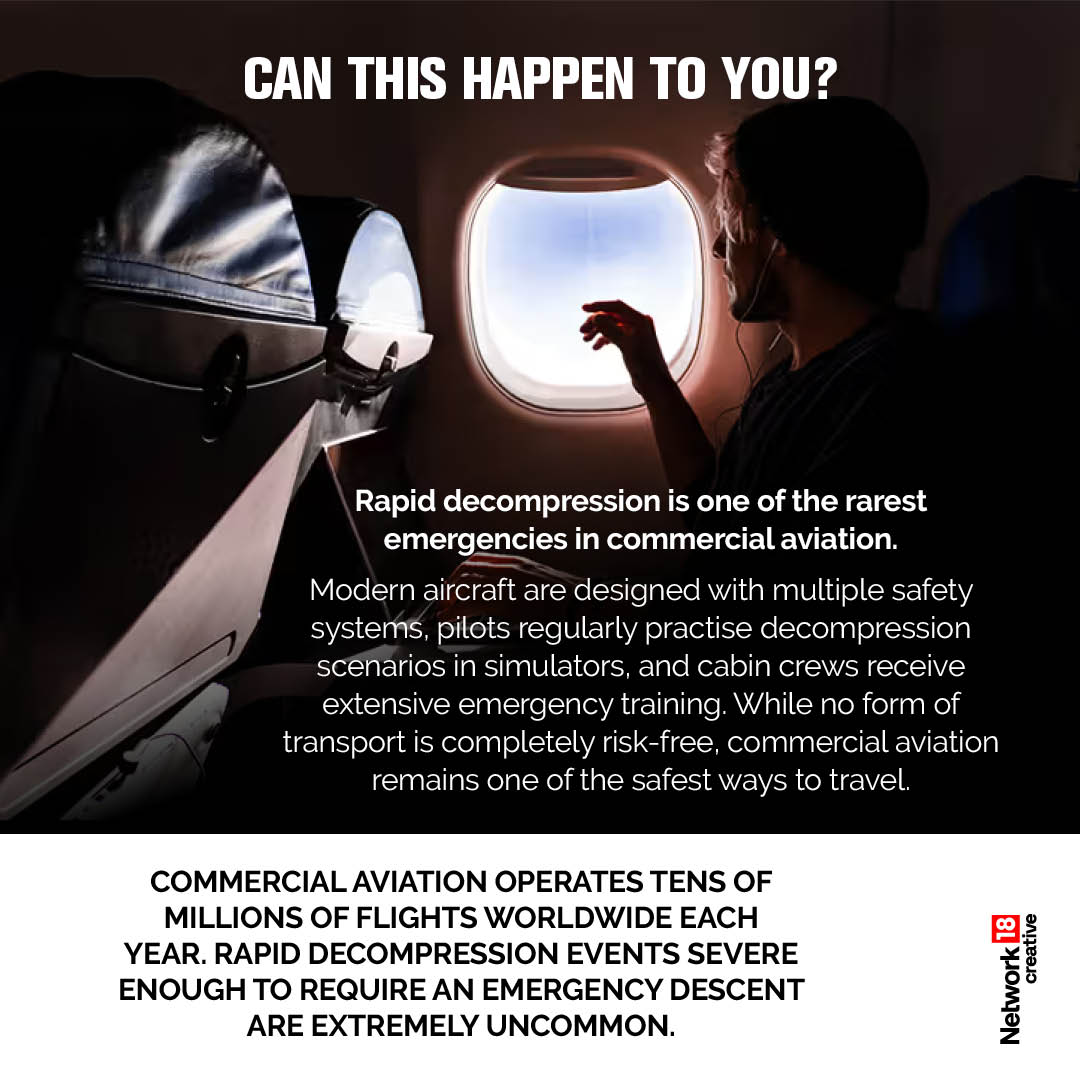
Commercial aviation remains one of the safest ways to travel. Aircraft undergo rigorous inspections, and pilots and cabin crew are extensively trained to deal with rare emergencies like rapid decompression.
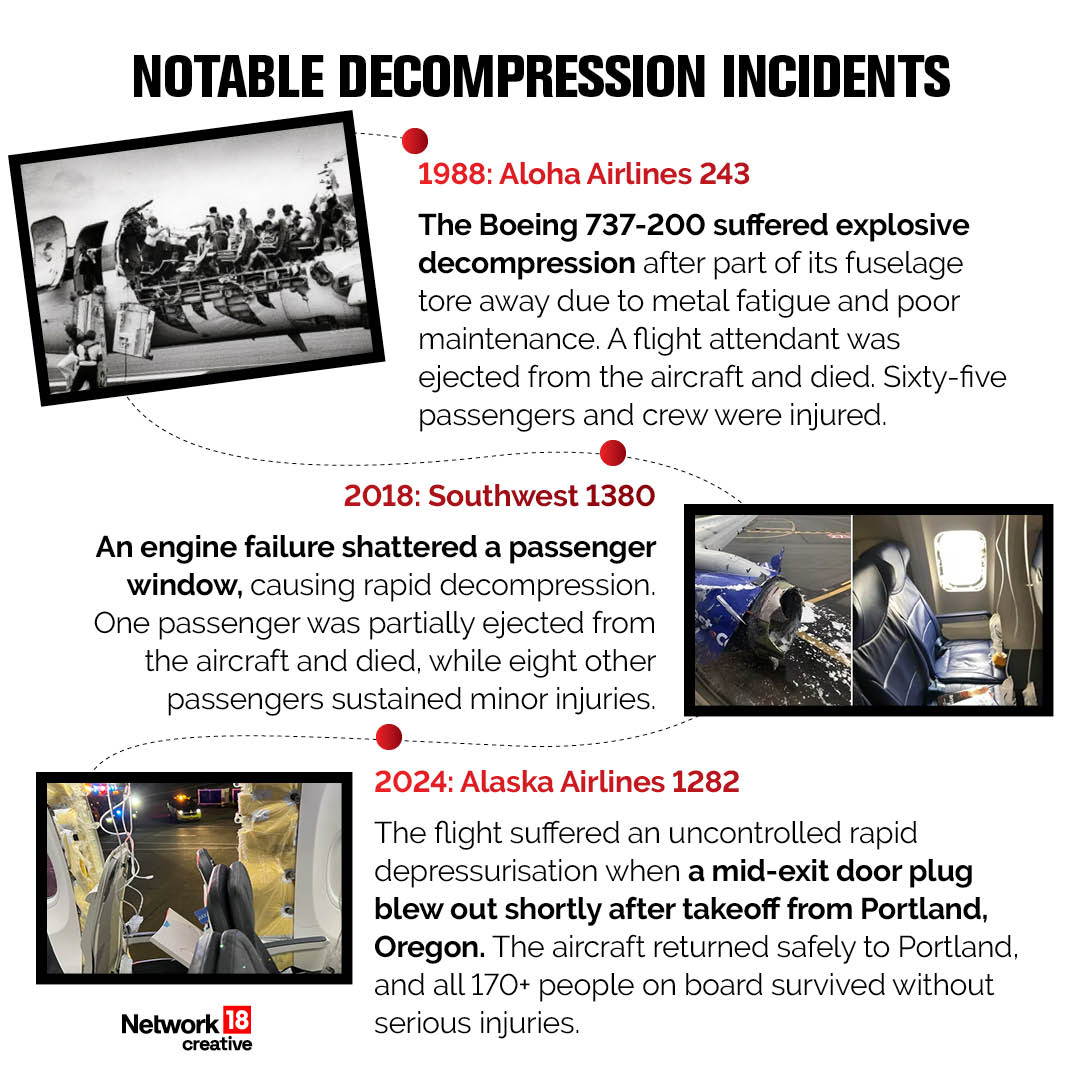
A handful of decompression incidents over the decades have helped improve aircraft design and safety procedures. Each event has led to stricter inspections, stronger aircraft components and enhanced emergency protocols, making modern air travel safer than ever.


