




From A Harvard Scholarship To The Indian Bazaar
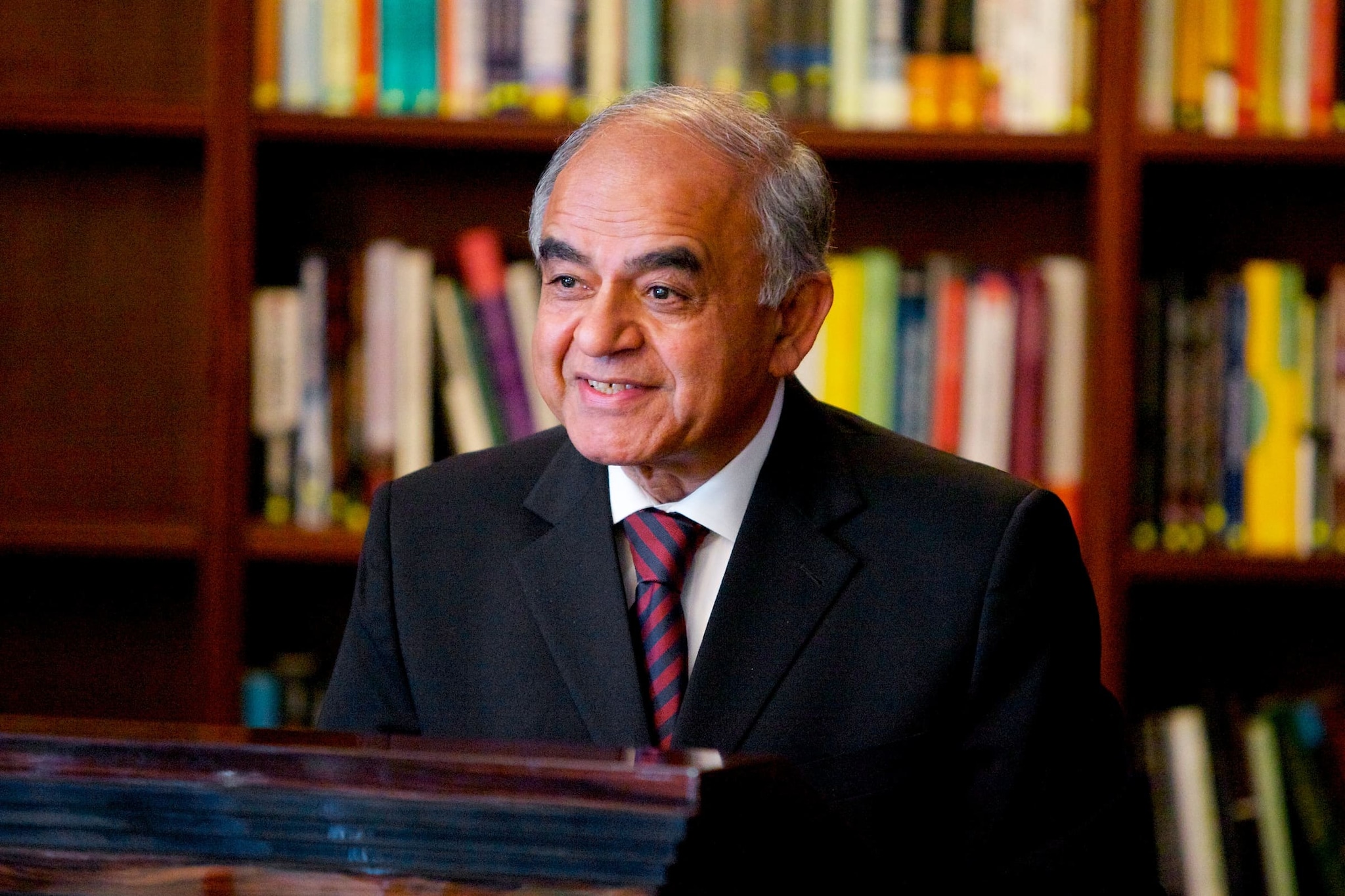
At 82, Gurcharan Das has added another milestone to an extraordinary career, becoming the first Indian recipient of the Lifetime Libertarian Award at the 40th Liberty International World Conference in Kathmandu on August 8. The award recognises his “lasting contribution to the advancement of liberty”. But long before he became one of India’s best-known public intellectuals, Das was a young man who had learnt the fundamentals of business not in a boardroom, but while selling Vicks VapoRub in India’s bazaars.
The Job That Took Him ‘Up-Country’
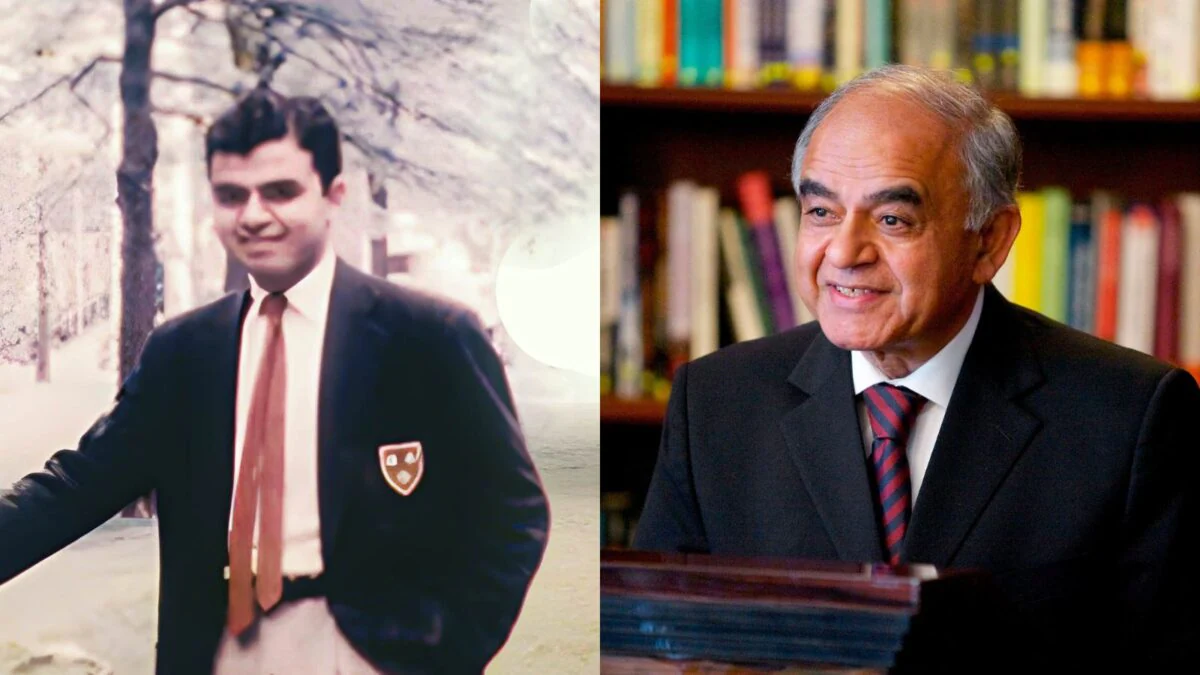
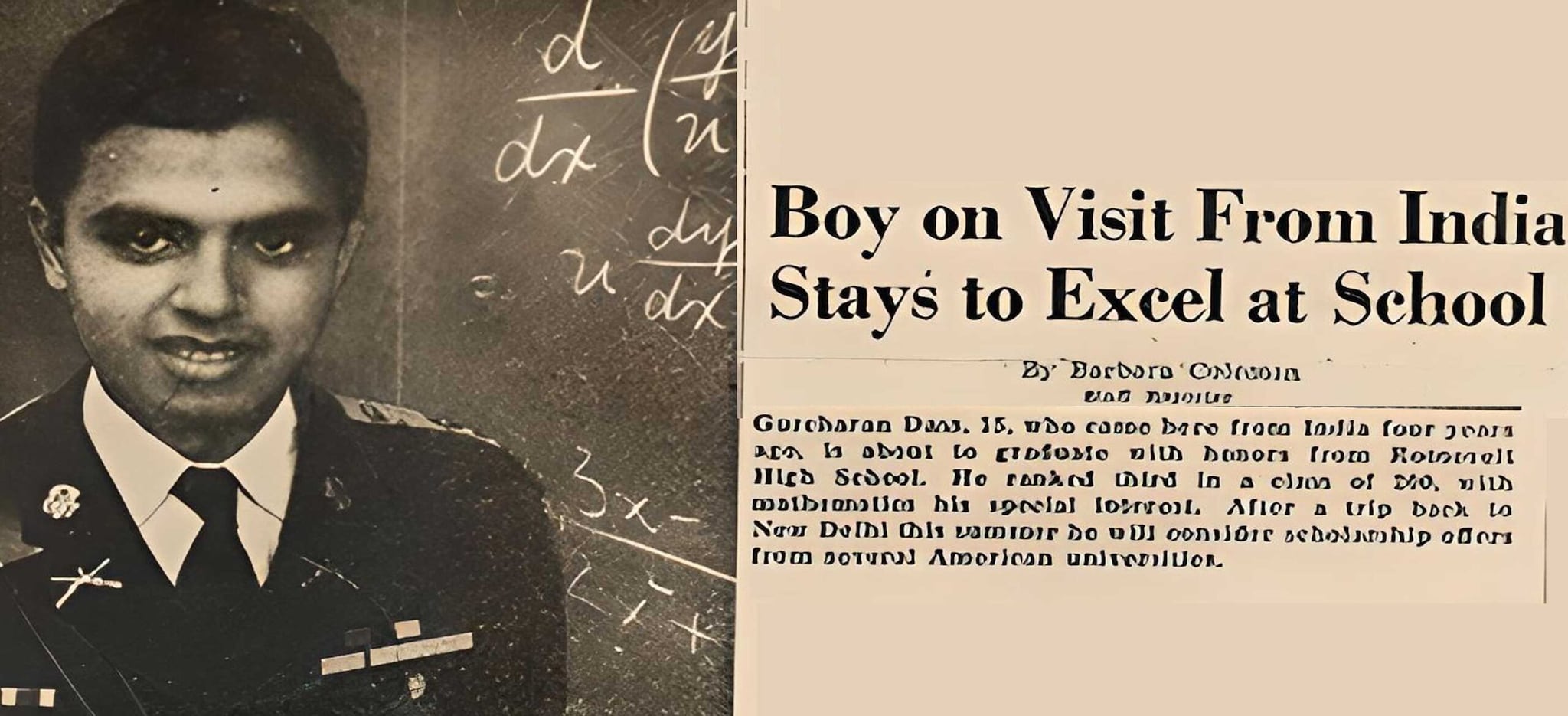
Das’ professional journey began remarkably early. At 17, he won a scholarship to Harvard University, where he graduated with honours in philosophy and was elected to Phi Beta Kappa. After returning to India, he answered a newspaper advertisement and joined Richardson Hindustan, the company behind Vicks VapoRub. His first assignment was decidedly hands-on: he was sent “up-country” to understand Indian consumers. His days involved visiting merchants and conducting market research, while evenings were spent visiting consumers in their homes. The experience gave him a close-up understanding of Indian markets and consumers.

From Vicks To The P&G Boardroom
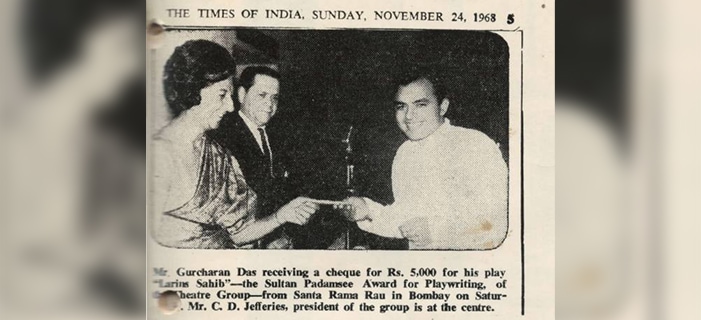
That early experience eventually took Das to the highest levels of corporate India. He went on to become CEO of Procter & Gamble India, while also holding leadership positions across South and Southeast Asia and later working in strategic planning for P&G worldwide. Yet even as his corporate career progressed, writing remained a parallel pursuit. For around 25 years, Das wrote during weekends while managing his demanding professional life. Then, at the age of 50, he made a decision that would completely change the second half of his career: he left the corporate world to become a full-time writer.
The Writer Who Predicted India’s Economic Rise
One of Das’ most influential books, India Unbound, examined India’s economic transformation and argued that the reforms of 1991 could unlock the country’s entrepreneurial potential. His writing frequently returned to themes of economic freedom, individual responsibility and entrepreneurship, making him an important voice in India’s liberal intellectual tradition. His later book India Grows at Night continued his examination of India’s development, institutions and the forces shaping its economic journey.

India, The Mahabharata And The Meaning Of A Good Life
Das’ writing, however, has never been confined to economics. His literary work explores what he describes as the classical Indian aims of life and their relevance to modern society. In The Difficulty of Being Good, he turned to the Mahabharata to explore the idea of dharma and moral responsibility. Kama: The Riddle of Desire examined pleasure and desire, while Another Sort of Freedom reflected on his own search for meaning and purpose. His wider body of work also includes the novel A Fine Family, essays in The Elephant Paradigm and an anthology of plays.

A Lifetime Award For A Lifelong Belief In Freedom
Accepting the Lifetime Libertarian Award in Kathmandu, Das said, “I am delighted. How often does life reward you for something you believe right in your bones?” In his keynote address, he spoke about the idea of “inner freedom”, describing it as what he sees as India’s unique contribution to the Western idea of liberalism. The recognition comes from Liberty International, an organisation founded in 1982 that brings together scholars, entrepreneurs, policymakers and advocates around the principles of liberty and open societies.
At 82, Another Chapter In An Unusual Life
Das’ latest honour brings together the seemingly different chapters of his life — the young philosophy graduate learning marketing in Indian bazaars, the corporate executive who rose to become a CEO, and the 50-year-old who walked away from that career to write full-time. Three decades later, his books have become part of India’s conversations about economic reform, ethics, freedom and the good life.