








Rajendra P KerkarKeri: Prolonged dry spells this monsoon are disrupting the breeding cycle of the Malabar gliding frog in Goa’s Western Ghats, raising concerns about the impact of erratic rainfall on the endemic amphibian.The species depends on continuous moisture for skin respiration and egg development. With the first monsoon showers, it emerges from hibernation and begins its distinctive “tuck-tuck-tuck” call to attract mates.This year, however, breeding pools have dried up before the frogs could complete their reproductive cycle.Wildlife enthusiast Suraj Malik from Vante in Sattari said drying pools have affected the Malabar gliding frog and several other species.“Though eggs were laid, they dried up before the tadpoles could metamorphose into adults, as pools lost the water and moisture needed to complete the breeding cycle,” he said.The female lays eggs in a frothy foam nest attached to branches over water bodies. But prolonged dry spells and rising temperatures have dried the protective foam, killing embryos before they could hatch. Monsoon rain is also vital for forming temporary rock pools and replenishing breeding sites, Malik said.Sandesh Gawas, assistant professor of zoology, said frogs are highly vulnerable because their life cycle depends on water.“Most species breed in temporary ponds formed after rain. Their eggs and tadpoles need sustained wet conditions to develop. When rainfall becomes infrequent or unpredictable, breeding pools dry up before tadpoles mature, triggering population declines,” he said.Extended dry spells also dehydrate frogs, forcing them to seek shelter underground and reducing feeding and breeding time. Reduced rainfall shrinks wetland habitats, concentrates prey and predators into smaller areas, and increases competition, adding further pressure on amphibian populations.
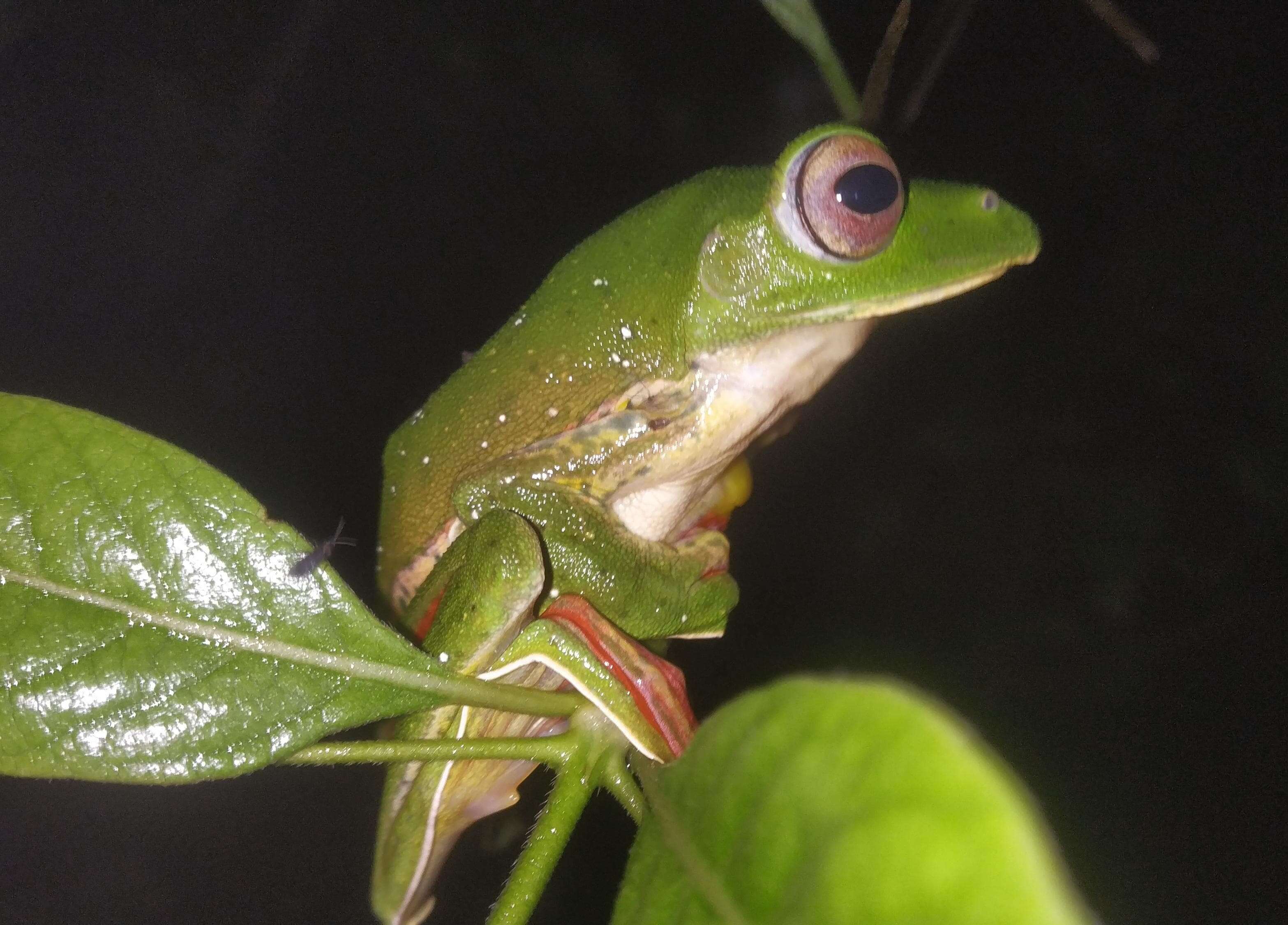
Extended dry spells dehydrate frogs, forcing them to seek shelter underground
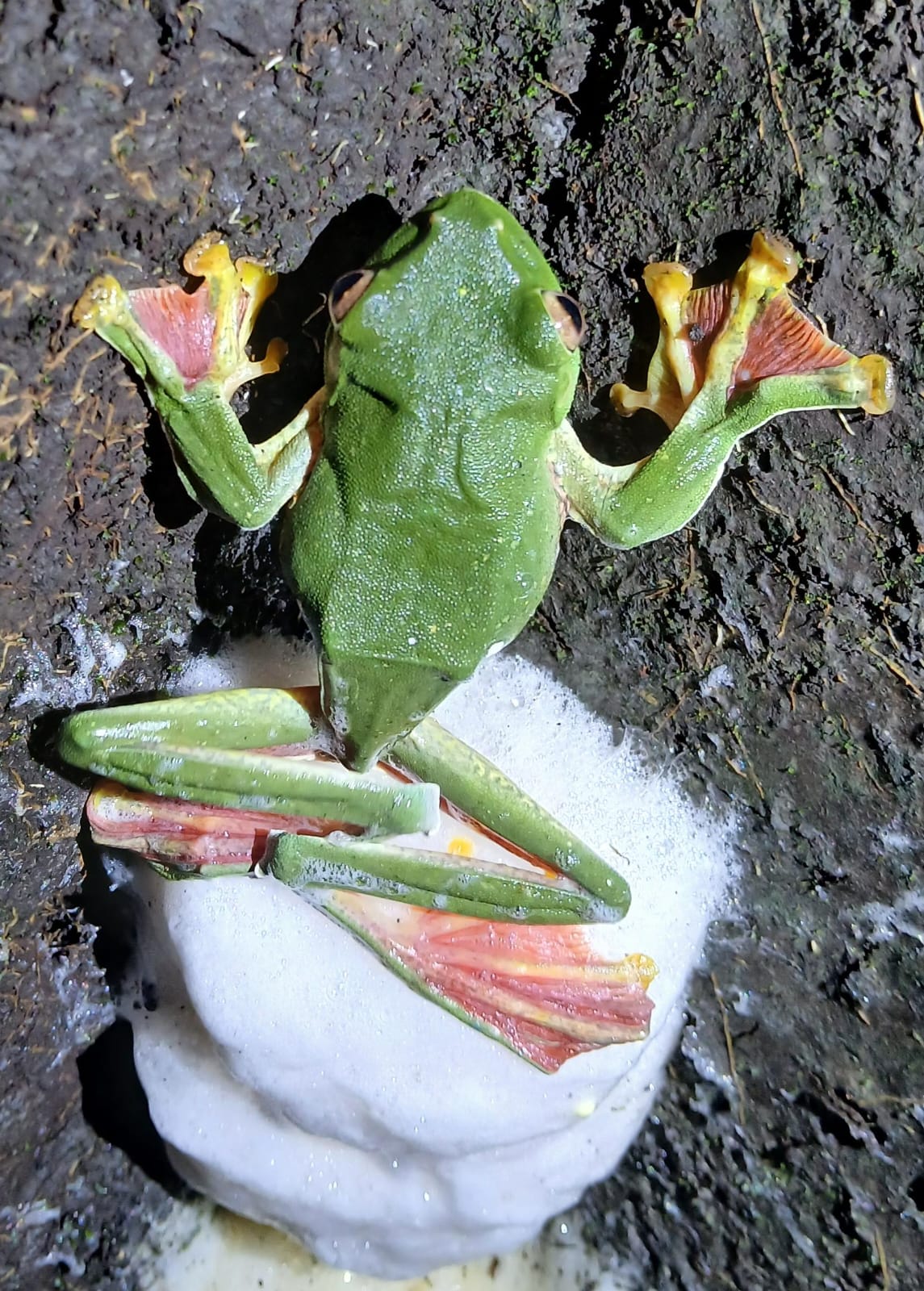
The female lays eggs in a frothy foam nest attached to branches over water bodies