









When India last travelled to England for a major global event, they returned heartbroken but transformed. Harmanpreet Kaur’s unforgettable 171 against Australia in the semifinal and a runners-up finish at the 2017 ODI World Cup ignited a surge in interest, which gave a big boost to women’s cricket in the country.
Since 2017, India has reached two Women’s T20 World Cup semifinals and a final, establishing themselves as consistent contenders on the biggest stage.
What has eluded them, though, is the final step. As another T20 World Cup begins, India’s hopes will inevitably rest on familiar names such as Harmanpreet, Mandhana and Jemimah Rodrigues. But if they are to convert years of promise into a maiden title, the decisive contributions may have to come from three players who don’t always dominate the headlines.
Cardiff ➡️ Birmingham 🚌
A bag full of first-time travel memories on their very first #T20WorldCup 2026 road trip 🤗
Find out who the back-bencher is 😉#TeamIndia | #WomenInBlue pic.twitter.com/9tA6L9XK2a
— BCCI Women (@BCCIWomen) June 12, 2026
Hidden heroes
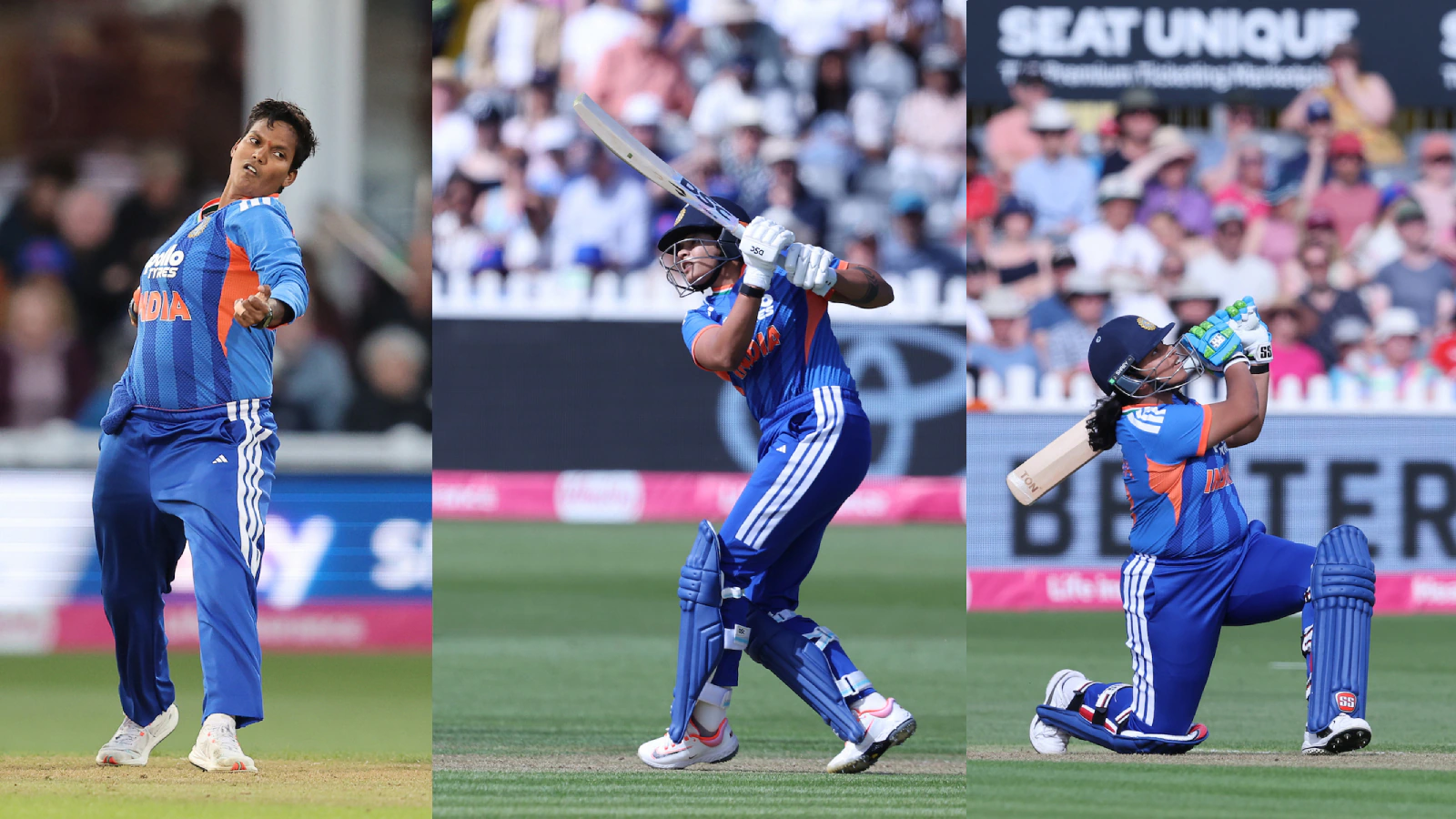
Deepti, Shafali Verma and Richa Ghosh perform vastly different roles, yet each influences a phase of the game that could determine whether India finally goes the distance.
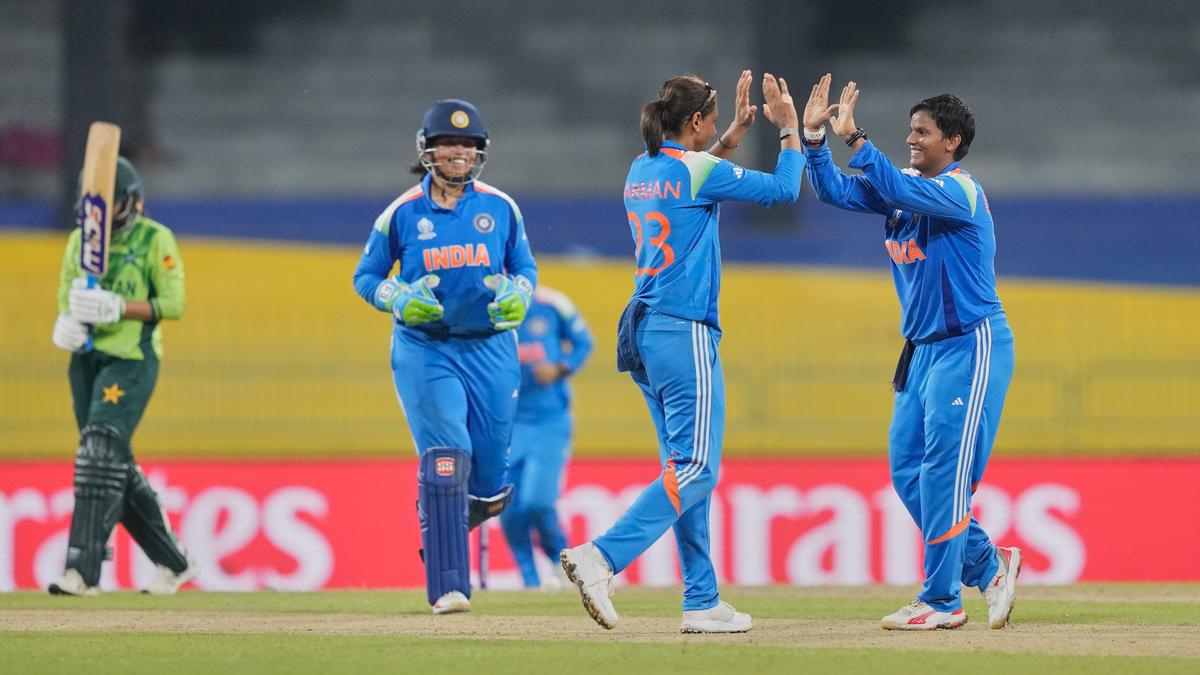
The most indispensable of the trio is Deepti. While Mandhana, Harmanpreet and Rodrigues attract attention for their batting, Deepti provides the balance every side needs and has quietly developed into arguably India’s most complete T20 cricketer.
The numbers underline her importance. The 28-year-old became the leading wicket-taker in women’s T20Is in December and is also the first player in women’s cricket to score more than 1,000 T20I runs and scalp 150 wickets.
Just as importantly, she is one of the few bowlers India can trust at any stage of an innings. Deepti has claimed 47 wickets in the Powerplay at an economy rate of 5.99, another 58 through the middle overs at 6.14, and 53 at the death, going at 7.55. Few bowlers in the women’s game offer that kind of versatility.
Story continues below this ad
That facet of Deepti’s game could become even more valuable at this World Cup. While Arundhati Reddy and Renuka Singh Thakur provide experience and Nandni Sharma has made an encouraging start, India don’t possess intimidating pace, placing even greater responsibility on her. Recent form, however, has been mixed. Since taking 5/19 against South Africa in April, she has managed only four wickets in her next five matches and did not bowl in either warm-up fixture. Her highest score across her last nine innings is an unbeaten 36.
Birmingham, 𝙝𝙚𝙧𝙚 𝙬𝙚 𝙘𝙤𝙢𝙚! 📍😌
The #WomenInBlue are all smiles and en route for the #T20WorldCup opener 🛣️ 🏆#TeamIndia pic.twitter.com/ubtz73sqGb
— BCCI Women (@BCCIWomen) June 11, 2026
If Deepti provides balance, Shafali offers explosiveness that opposition teams fear.
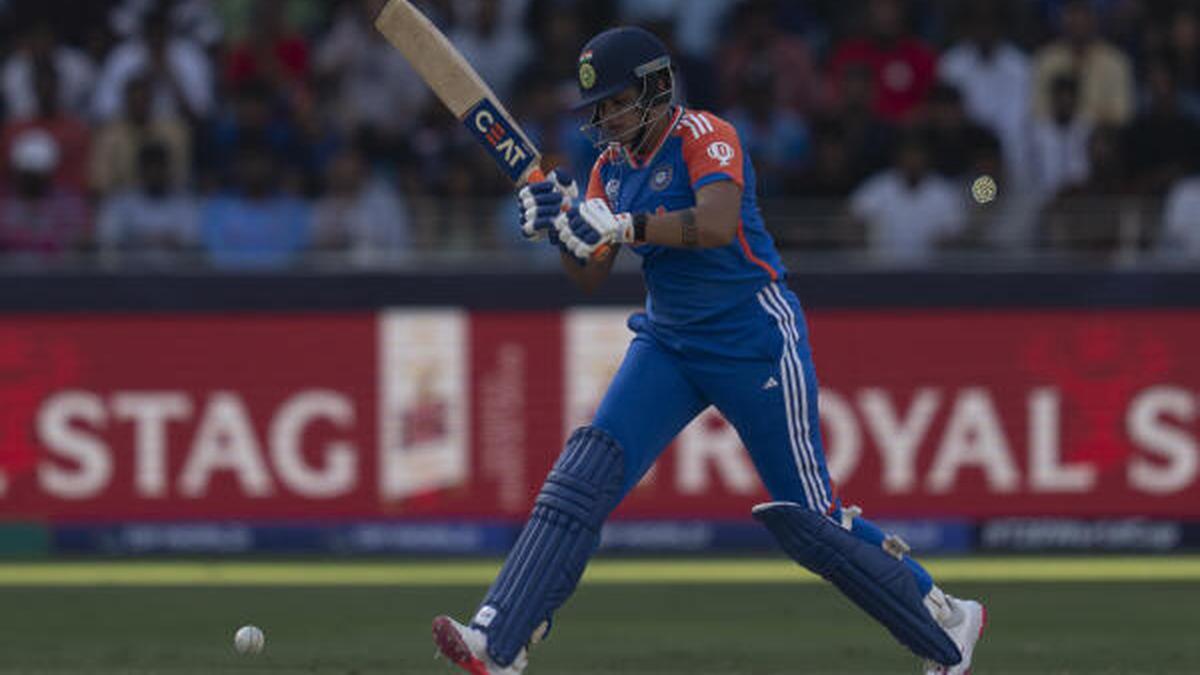
India’s batting has occasionally been criticised for lacking the sustained firepower of Australia or South Africa. Shafali changes that dynamic. Since 2018, the right-hander has had the fastest strike rate in women’s T20Is (138.30) and hit more sixes (50) than anyone else. She is one of the few players who can change a match in a Powerplay.
During India’s 5-0 T20I sweep of Sri Lanka in December, she struck 69, 79 and 79 in successive matches. Although she managed only 259 runs in 10 matches of WPL 2026 and endured a modest tour of England before the World Cup, she remains capable of giving India an early advantage, whether batting first or second. Her useful off-spin could also become an option if match-ups demand it, as seen during the warm-up games.
Finishing touches
Then comes Richa, perhaps the most destructive batter in India’s line-up. Over the past few years, she has established herself as India’s designated finisher, scoring 815 runs in the death overs at a blistering strike rate of 164.3. Few players in the women’s game can transform an innings over the final five overs as quickly as she can.
Story continues below this ad
Yet, like Deepti, recent form is a concern. The 22-year-old’s highest score in her last eight innings is an unbeaten 34, with five of those knocks ending in single figures.
But in the tournament’s lead-up, she offered a timely reminder of her quality by smashing a 36-ball 68 against England in the final warm-up game. If India are to post imposing totals against the strongest teams or chase down stiff targets, Richa’s finishing ability could prove decisive.
🎥 𝗪𝗢𝗥𝗟𝗗 𝗖𝗨𝗣 𝗠𝗢𝗗𝗘 🔛
Energy 🟰 High as Team India put in the hard yards in Cardiff 💪 🔥#TeamIndia | #T20WorldCup https://t.co/8TNVm7dvZN
— BCCI Women (@BCCIWomen) June 6, 2026
Opposition teams will naturally devote most of their planning to Mandhana, Harmanpreet and Rodrigues. Championship-winning sides, however, are rarely carried by their biggest stars alone. India also have the benefit of a favourable group featuring Pakistan, Bangladesh and the Netherlands, giving them an opportunity to build momentum before sterner challenges arrive.
The established stars will remain central to India’s campaign. But tournaments are rarely won on reputation alone. The difference between another promising run and finally lifting the trophy may well depend on the contributions of players operating just outside the spotlight.
(With stats inputs from Lalith Kalidas)