





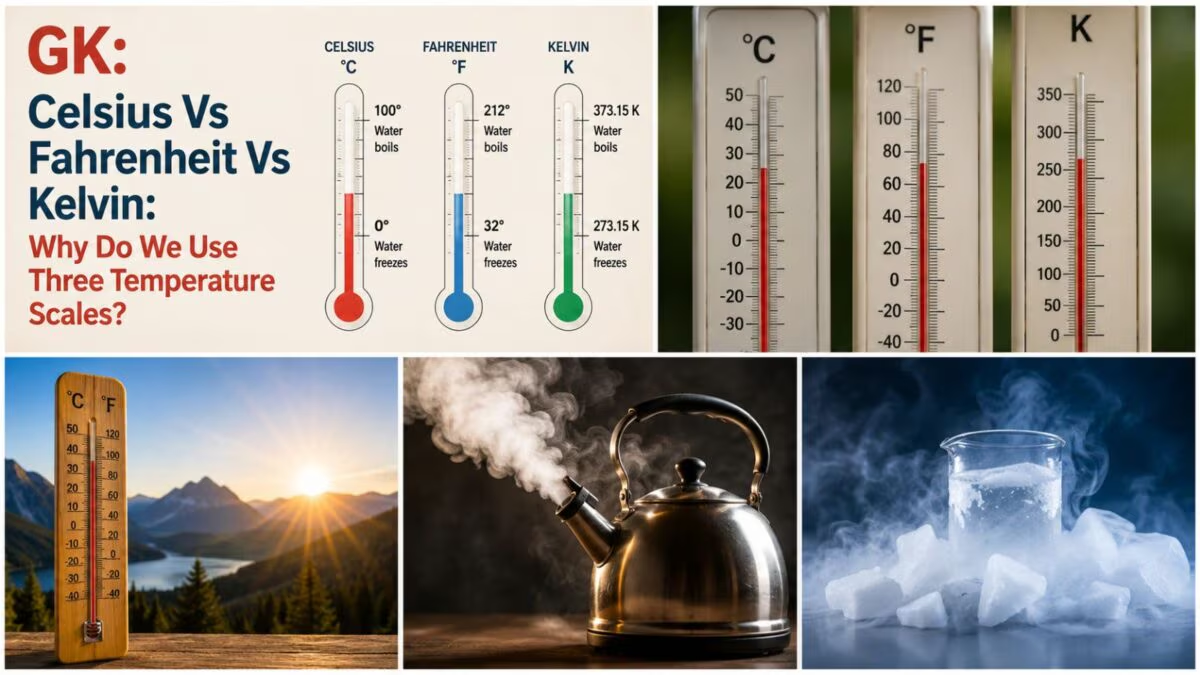
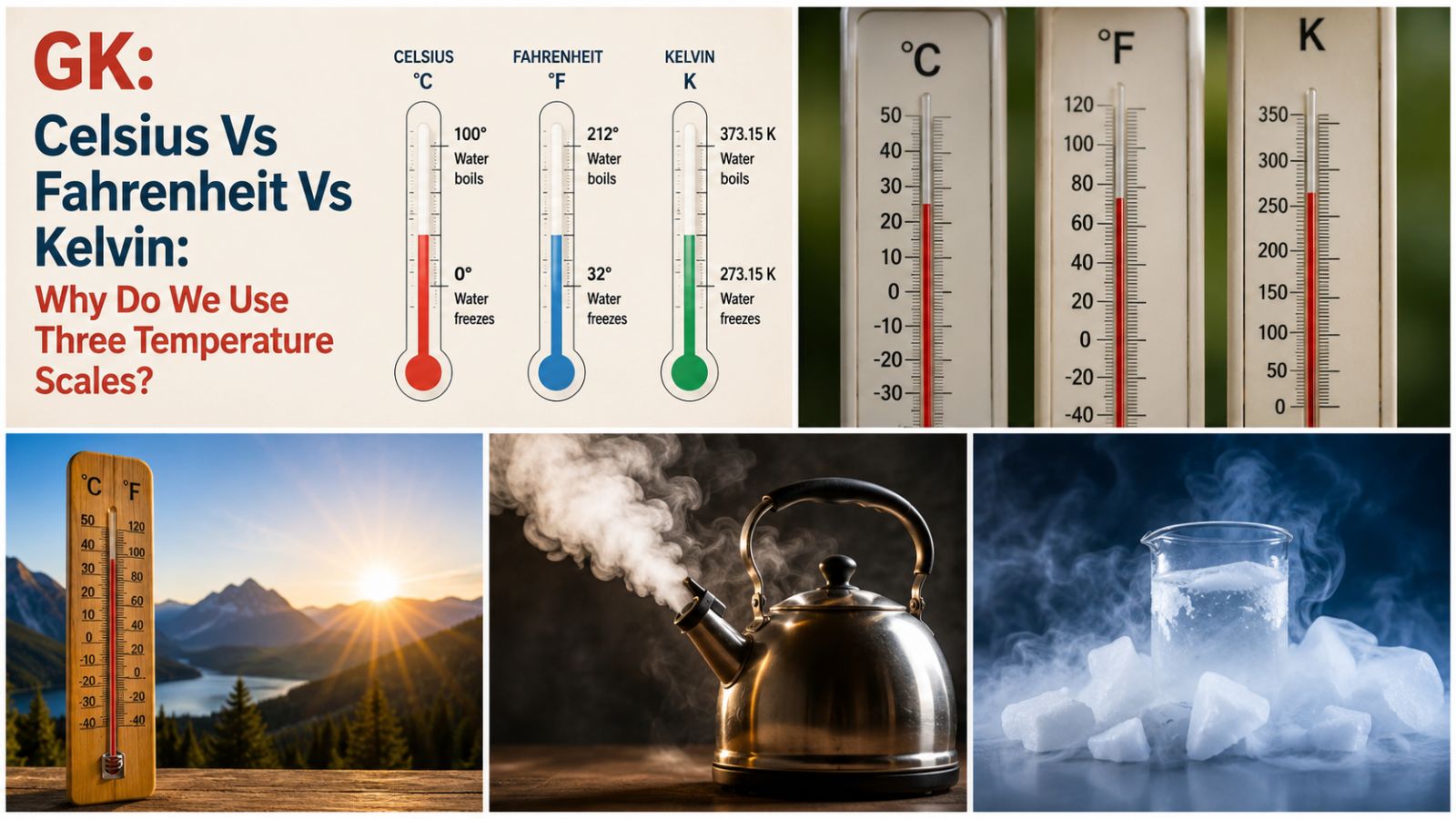
Temperature is something we experience every day, yet there isn’t just one universal way to measure it. Whether you’re checking a weather forecast, cooking dinner or conducting a scientific experiment, you’ll likely come across Celsius, Fahrenheit or Kelvin. While all three measure how hot or cold something is, each scale has a unique history, purpose and method of measurement.
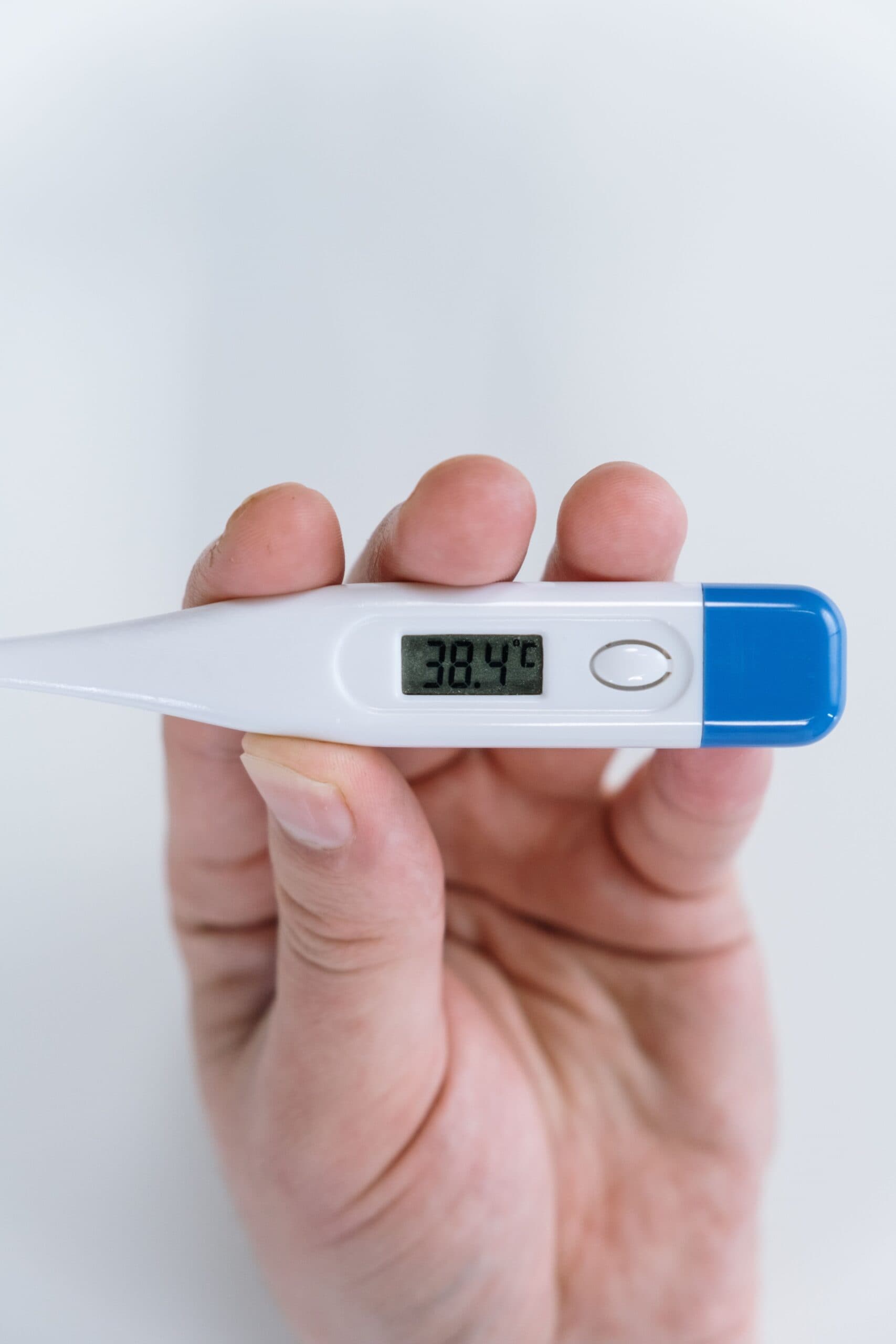
The Celsius scale is the one most of the world uses today. Developed by Swedish astronomer Anders Celsius in 1742, it originally placed water’s boiling point at 0 degrees and freezing point at 100 degrees. After his death, the scale was reversed to the form we know today—0°C for the freezing point of water and 100°C for its boiling point at standard atmospheric pressure. Its simple 100-degree interval makes it practical for everyday use, from weather forecasts to cooking.
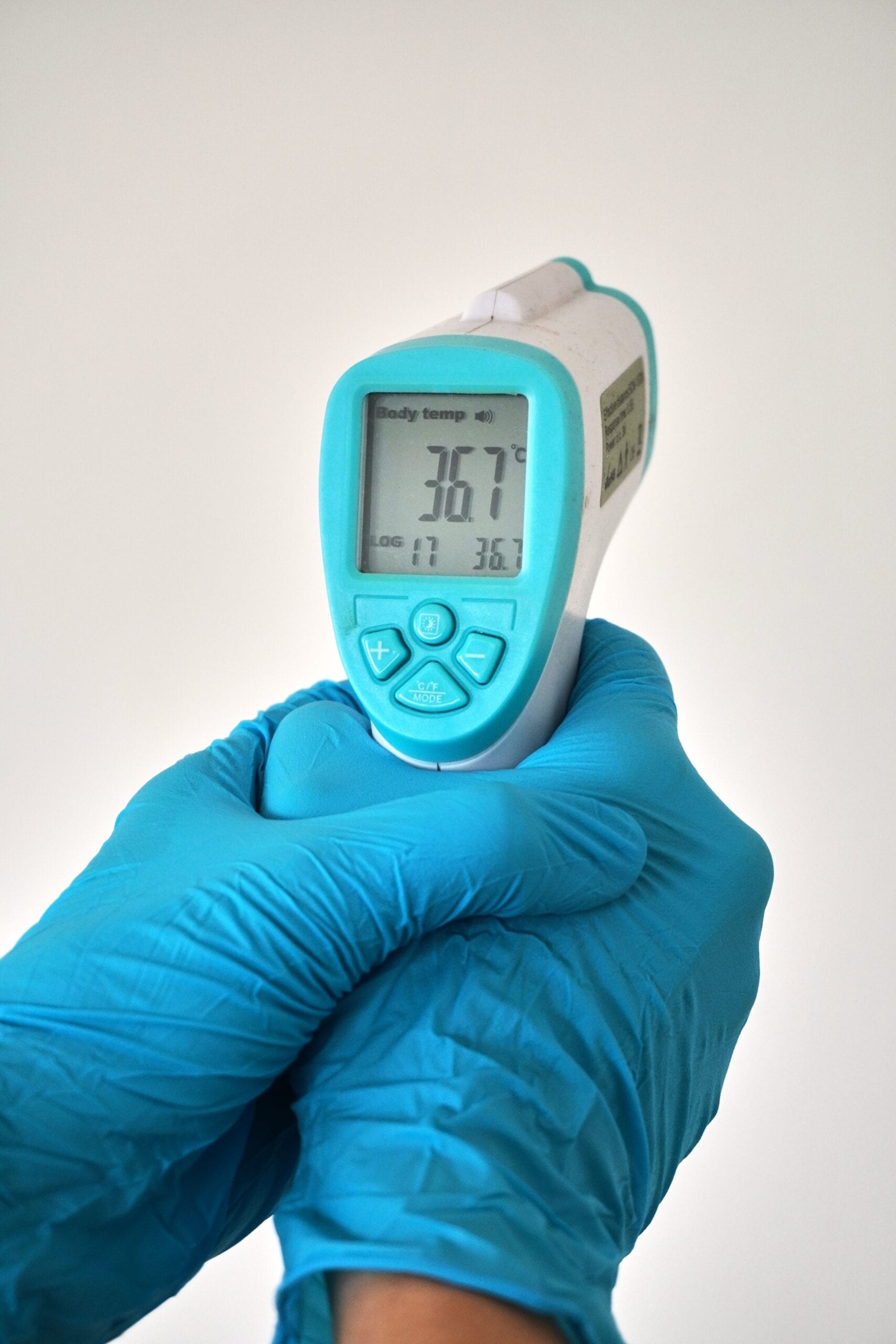
The Fahrenheit scale was introduced earlier, in 1724, by German-born physicist Daniel Gabriel Fahrenheit. He based his scale on a combination of reference temperatures available at the time. On this scale, water freezes at 32°F and boils at 212°F, leaving 180 degrees between those two points. Although most countries have adopted Celsius, Fahrenheit remains the primary temperature scale in the United States and a few Caribbean nations because of its long historical use.
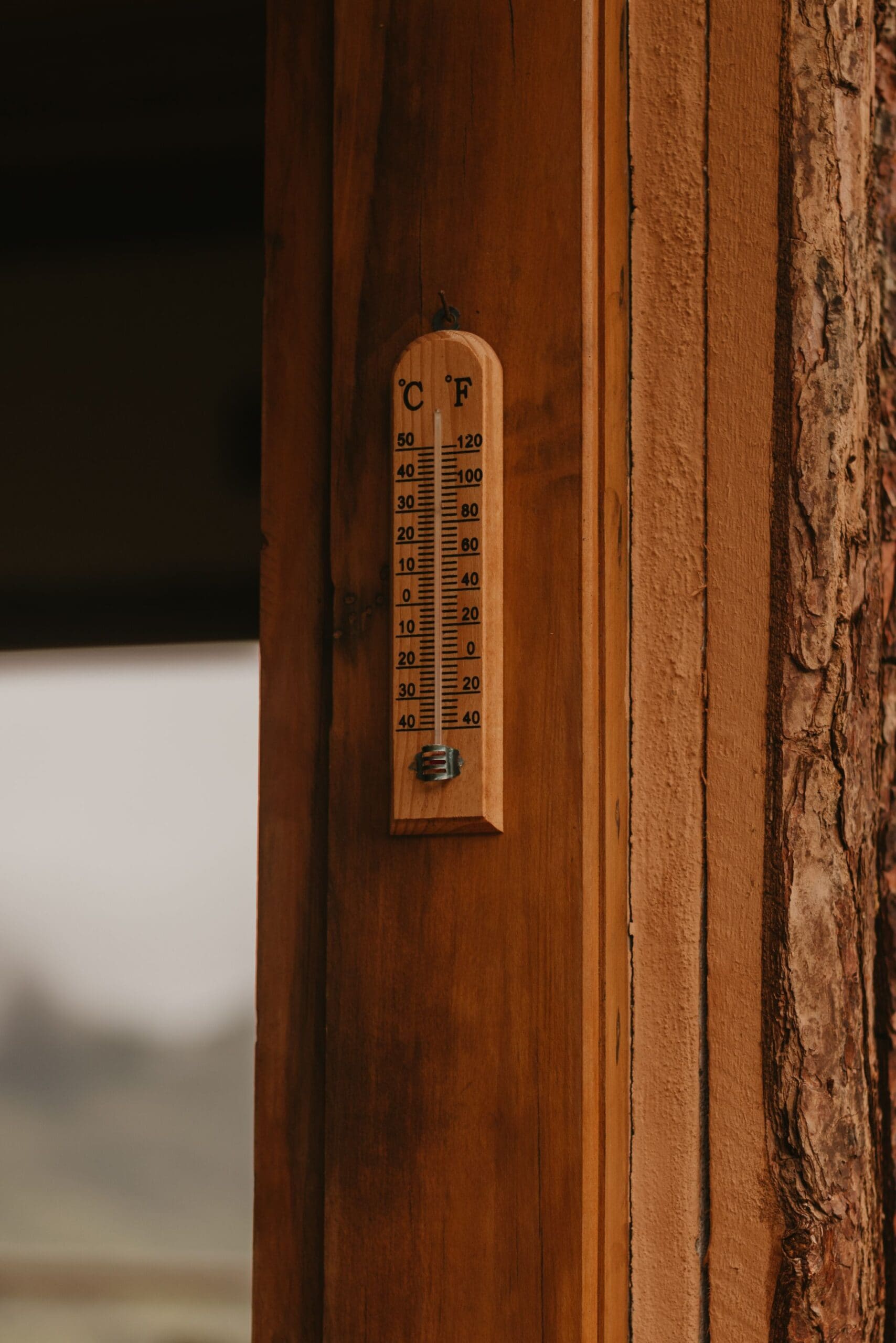
One reason some people prefer Fahrenheit for daily weather is that it offers finer gradations. Since there are 180 degrees between water’s freezing and boiling points, compared with Celsius’s 100, small changes in air temperature can be expressed in more precise whole numbers. For instance, a difference between 70°F and 71°F is smaller than the difference between 20°C and 21°C.
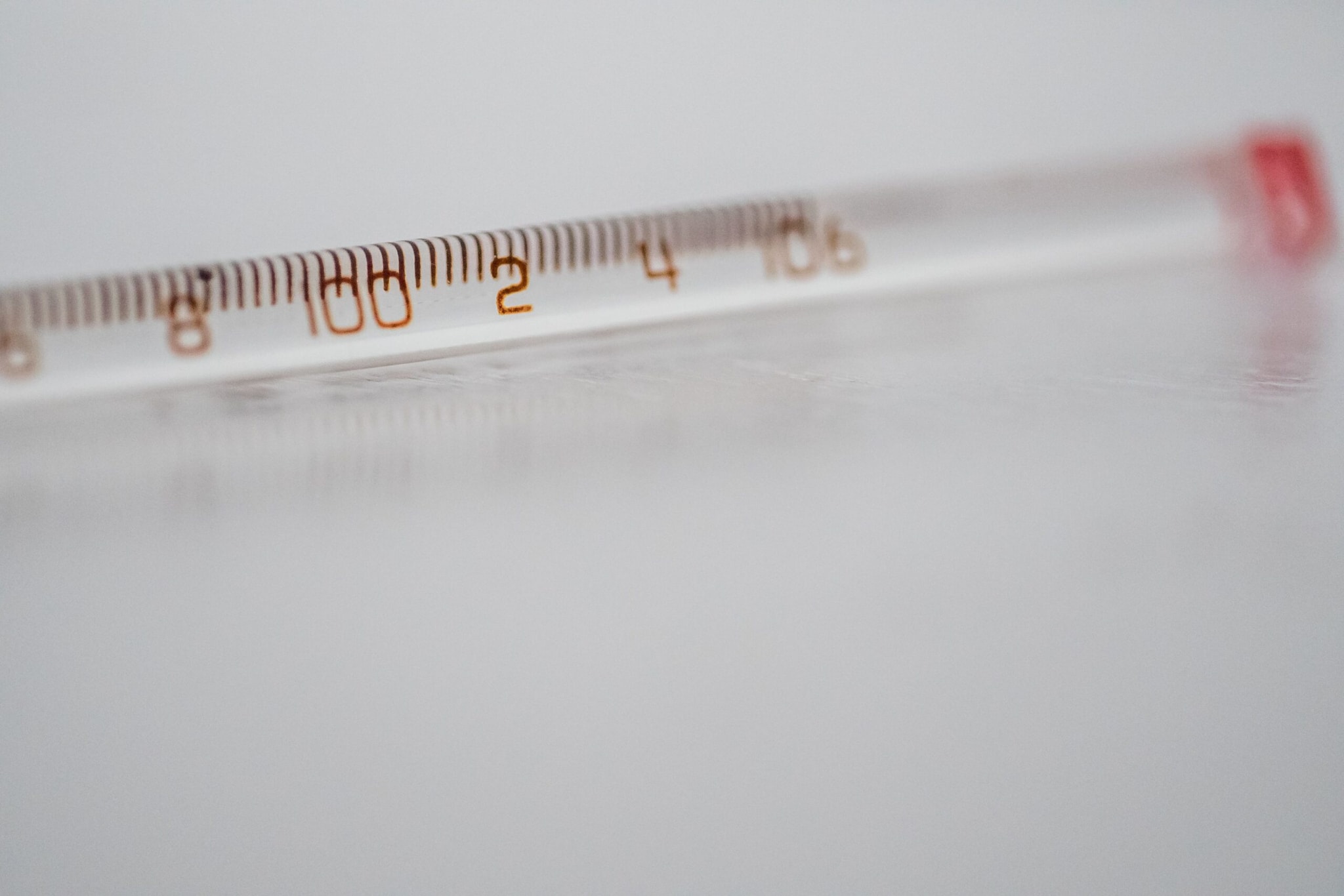
The Kelvin scale is fundamentally different from the other two because it is an absolute temperature scale. Developed by Scottish physicist William Thomson, later known as Lord Kelvin, it begins at absolute zero, the theoretical point at which particles have the minimum possible thermal energy. Absolute zero is defined as 0 Kelvin (0 K), which is equal to -273.15°C. Unlike Celsius and Fahrenheit, the Kelvin scale does not use the degree symbol.
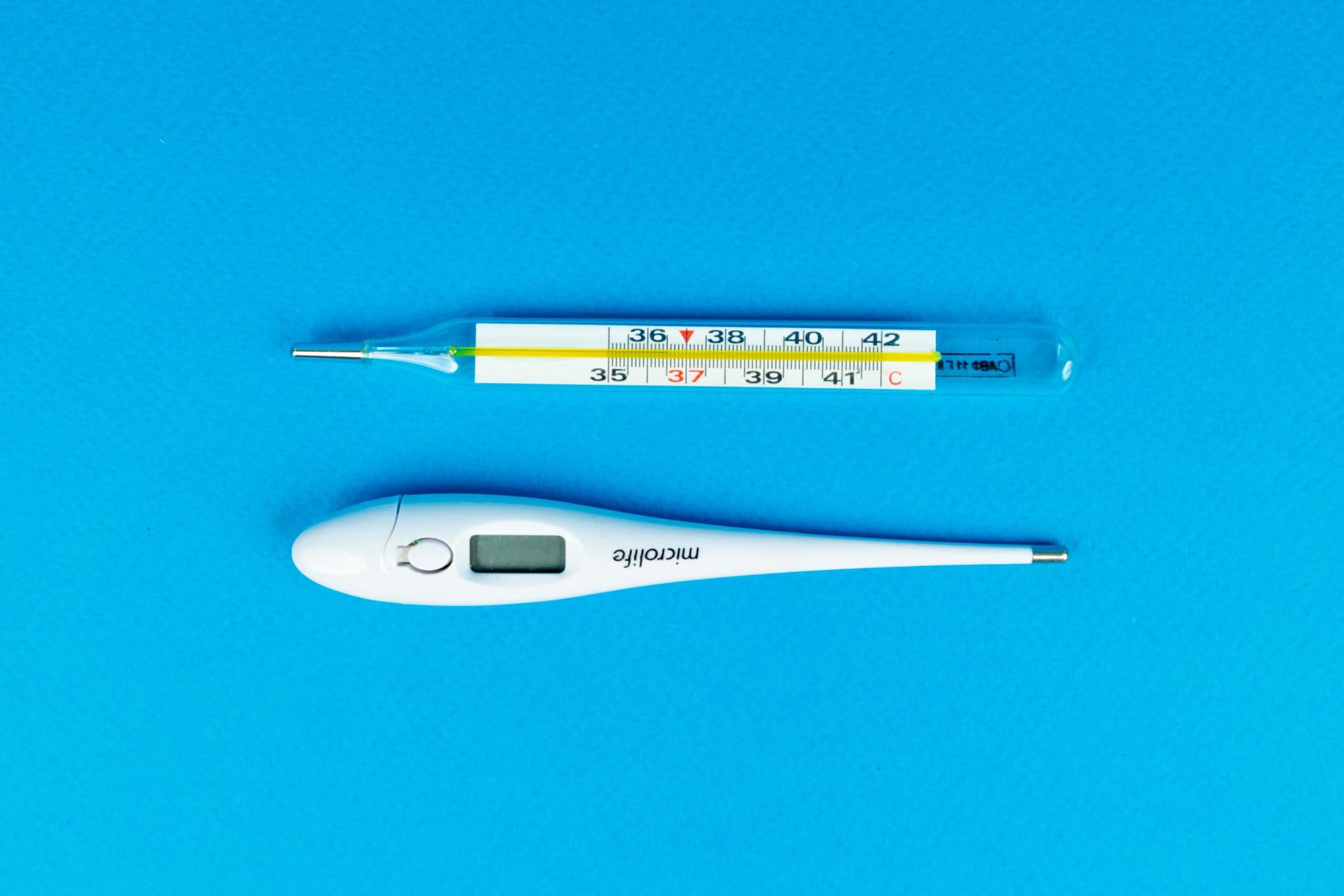
Scientists use Kelvin because many laws of physics and chemistry require temperatures measured from absolute zero rather than from the freezing point of water. In laboratories, astronomy, engineering and thermodynamics, calculations become more accurate and consistent when temperatures are expressed in Kelvin.
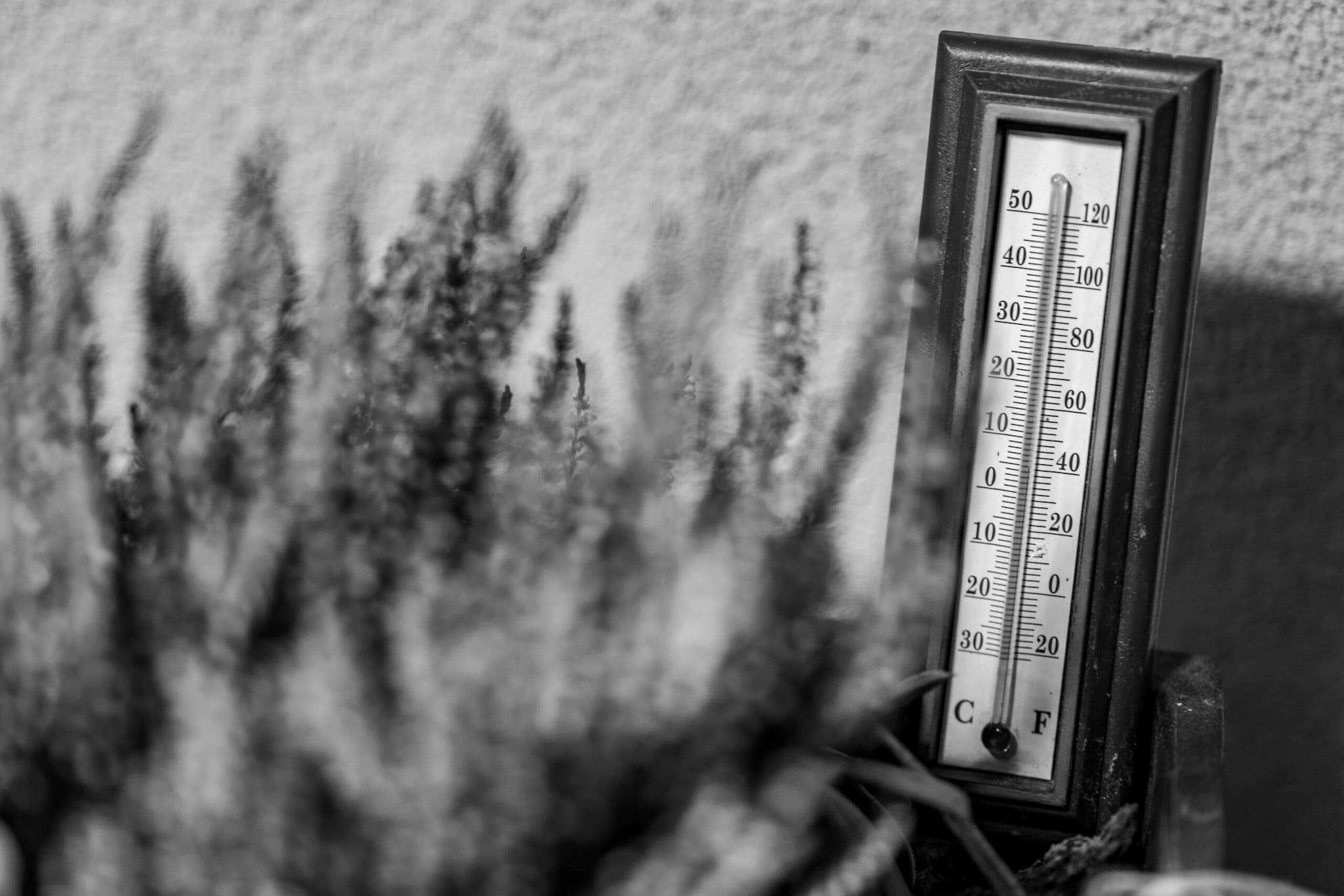
The three scales are closely related and can be converted using mathematical formulas. To convert Celsius to Fahrenheit, multiply the Celsius value by 9/5 and add 32. To convert Celsius to Kelvin, simply add 273.15. Conversely, subtracting 273.15 from Kelvin gives the temperature in Celsius. These relationships make it easy for scientists and engineers to move between scales depending on the application.
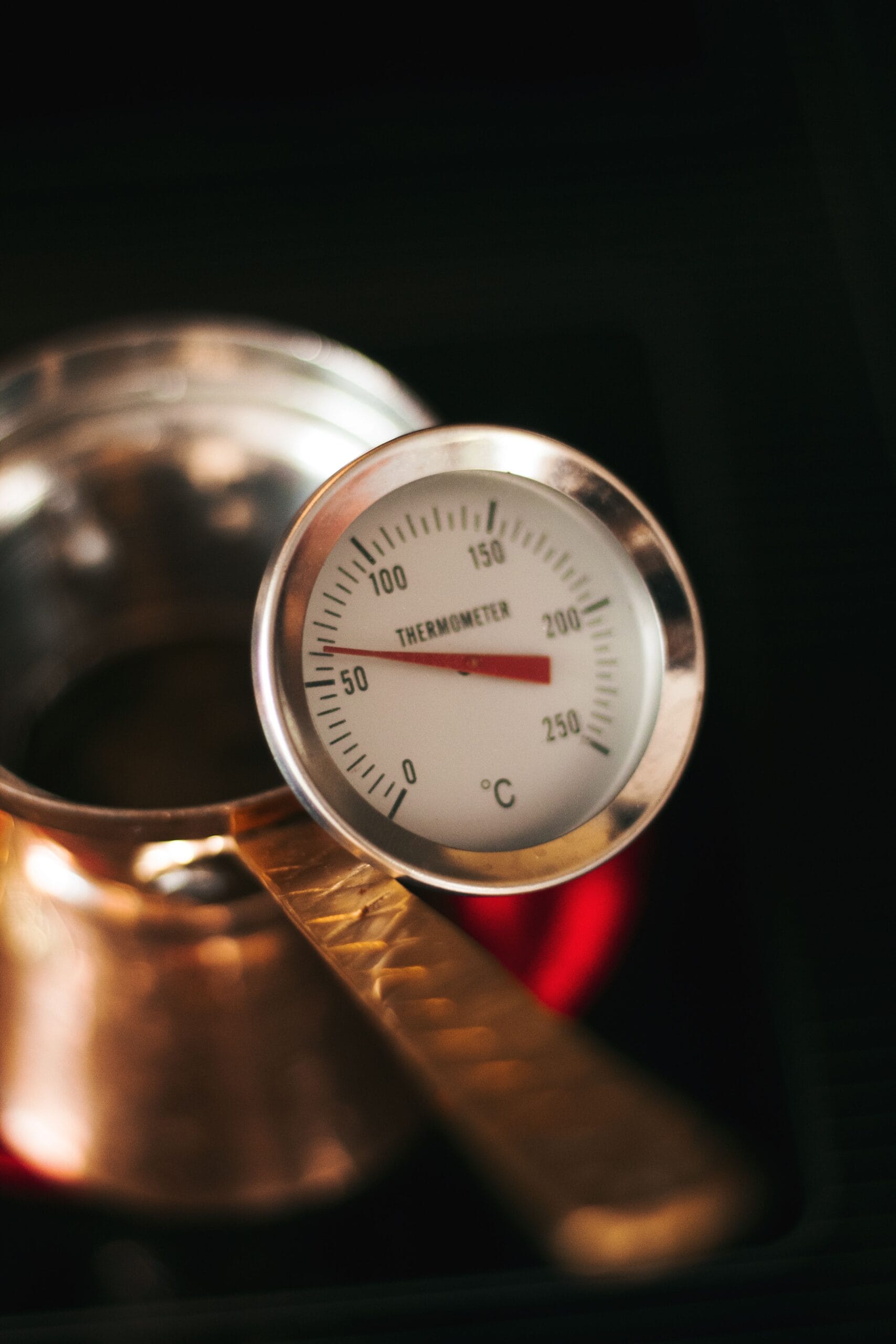
Today, Celsius is the official temperature scale in nearly every country for weather reports and everyday measurements. Fahrenheit continues to dominate in the United States, where it is used in weather forecasting, household thermometers and cooking. Kelvin, meanwhile, remains the global standard in scientific research, where precise measurements of energy and temperature are essential.
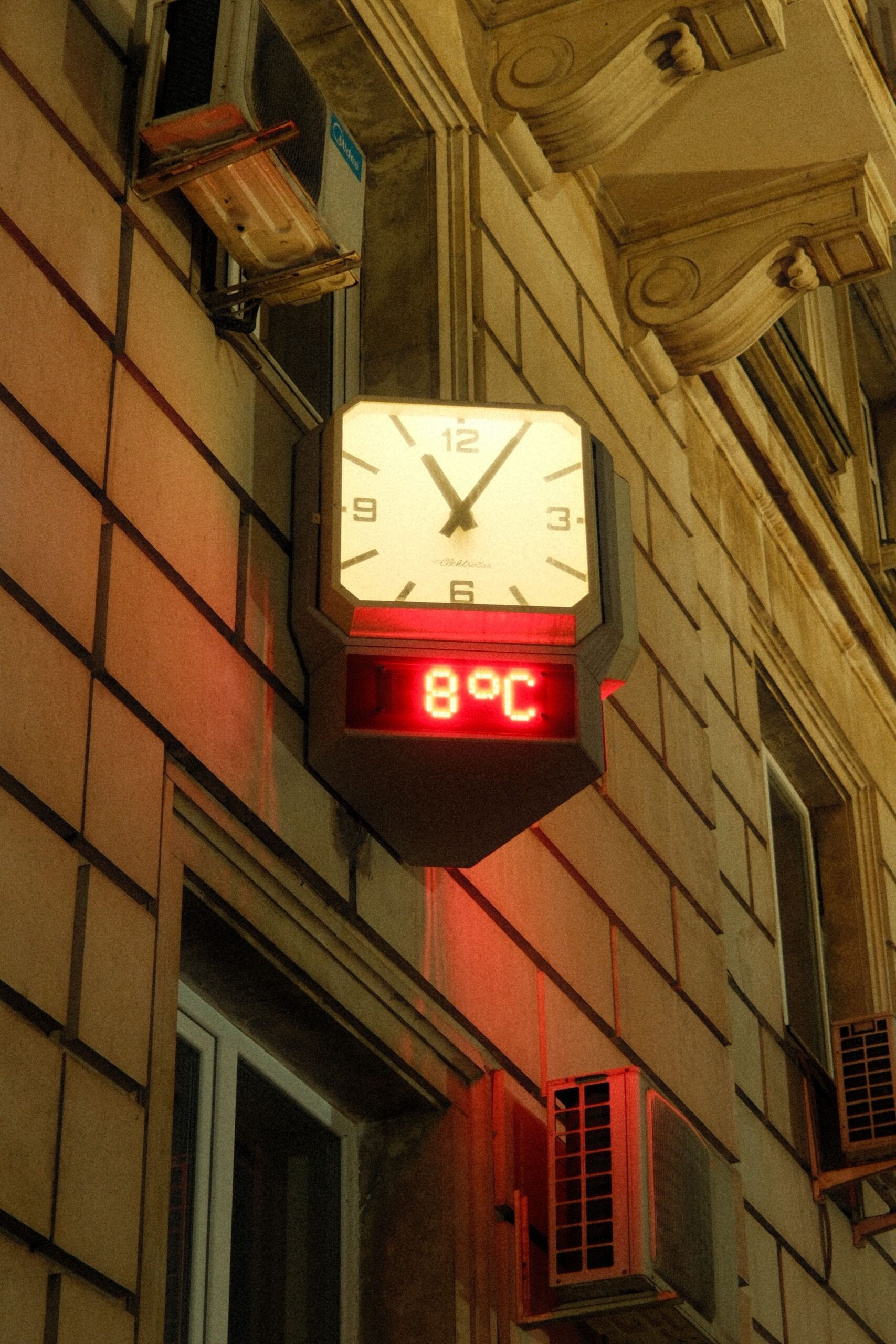
Although they use different numbers, all three scales describe the same physical property. Celsius offers simplicity for daily life, Fahrenheit provides greater granularity for everyday temperatures, and Kelvin forms the backbone of modern science. Together, they reflect centuries of scientific progress and the different ways humans have sought to understand something as fundamental as temperature.