





Jaipur: Delivering a sharp rebuke to the Rajasthan govt over toxic pollution in the Jojari and Bandi rivers, the Supreme Court Thursday held the Rajasthan chief secretary personally responsible for ensuring timely and effective compliance with all its directions and ordered him to appear before the court, virtually, on Aug 4.Expressing concern over the scale of environmental damage, including a village drinking water source turning completely pink due to untreated industrial effluents, the court said, “The lives and health of nearly 20 lakh people could not be compromised for economic activity or the jobs of 55,000 workers.”A bench of Justices Vikram Nath and Sandeep Mehta, hearing the suo motu matter ‘In Re: 2 Million Lives at Risk, Contamination in Jojari River, Rajasthan’, took on record the High-Level Ecosystem Oversight Committee’s second status report and its comments on the SIT’s first status report. It also handed over newspaper reports on alleged environmental violations across Rajasthan to the state’s counsel and directed the govt to file two comprehensive affidavits — one on the reports and another responding to every finding and recommendation of the committee.
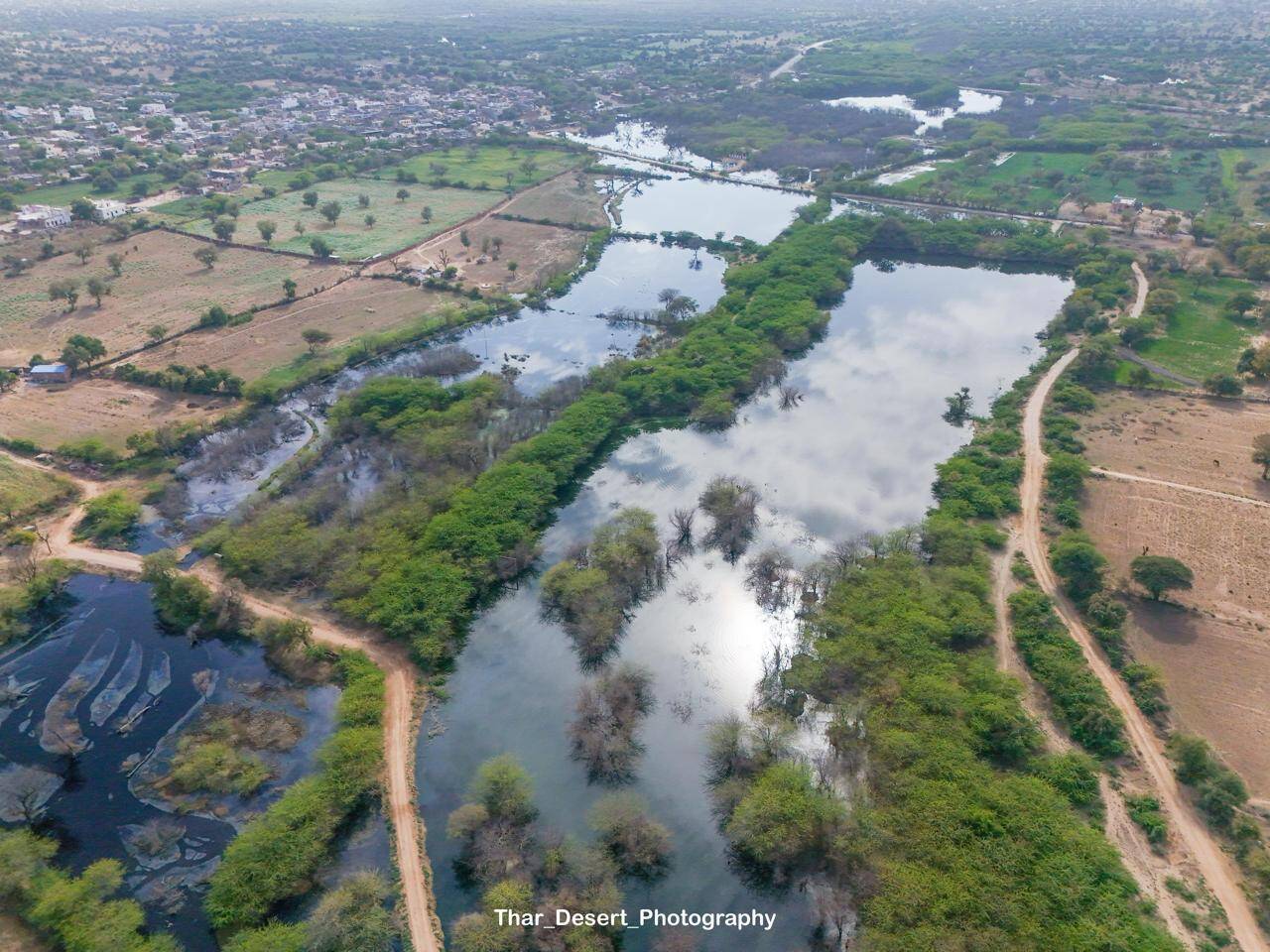
Jojari River near Jodhpur
The bench came down heavily on the state’s handling of industrial pollution, noting that of about 2,500 textile printing units operating in Jaipur, only 143 had valid permissions. It also flagged the failure to achieve Zero Liquid Discharge (ZLD) norms mandated since 2015. The court expressed concern over allegations that officials broke open dam gates to release toxic water and allowed illegal parallel pipelines to bypass Common Effluent Treatment Plants (CETPs). Rejecting pleas from industrial associations seeking blanket exemptions or permission for tanker disposal of untreated effluents, it said the state would not be permitted to “poison its citizens”.The court observed that the reports prima facie disclosed contamination of rivers and water bodies, discharge of untreated industrial effluents, threats to groundwater, agriculture, wildlife and public health, and an apparent failure of authorities to enforce environmental laws. It said repeated reports from different regions suggested a larger systemic failure and directed the state to verify the allegations, disclose action taken, fix responsibility and outline immediate and long-term corrective measures.The committee also flagged the absence of High Flood Line demarcation and buffer zones, raising concerns over encroachments and industrial activity in ecologically sensitive river corridors. It highlighted issues relating to the proposed RIICO Industrial Area at Kakani and Ambey Valley Industrial Park and recommended strengthening the Rajasthan River Basin and Water Resources Planning Authority as an autonomous river basin regulator.The Supreme Court allowed industries claiming “White Category” status with zero discharge to approach the committee for physical inspection. If found non-polluting, the committee may order de-sealing and permit operations subject to conditions.The bench directed the Rajasthan State Pollution Control Board (RSPCB) to prepare and execute a technical plan for treatment and safe disposal of accumulated untreated and tertiary effluent at the Sangariya CETP under the committee’s supervision, with scientific testing before and after treatment. It clarified that the exercise cannot be used to restart industrial operations without the court’s prior permission.The state was also directed to expedite the transfer of identified land in Melba and Modathali villages in Jodhpur to the Forest Department for ecological restoration and wildlife conservation. The court further sought an explanation for not invoking graver provisions under Sections 272, 326(a) and 326(c) of the Bharatiya Nyaya Sanhita and the Prevention of Damage to Public Property Act against polluters, directing the state to initiate the process wherever applicable.