








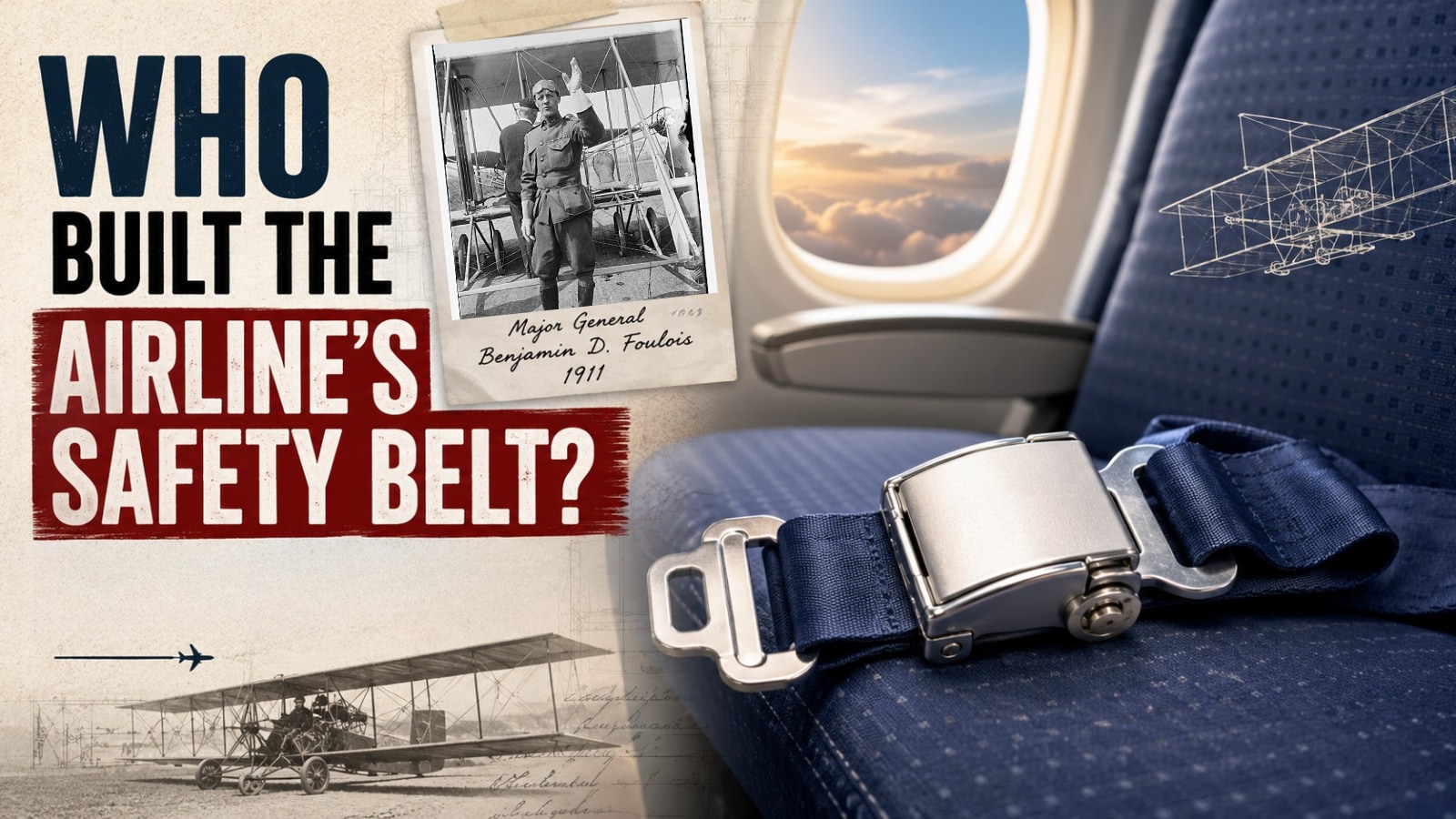
Aeroplane seat belts may seem like a simple accessory, but they are among the most vital safety features onboard. Introduced more than a century ago, they have evolved into life-saving devices that protect millions of passengers on flights every day. (Image: AI)
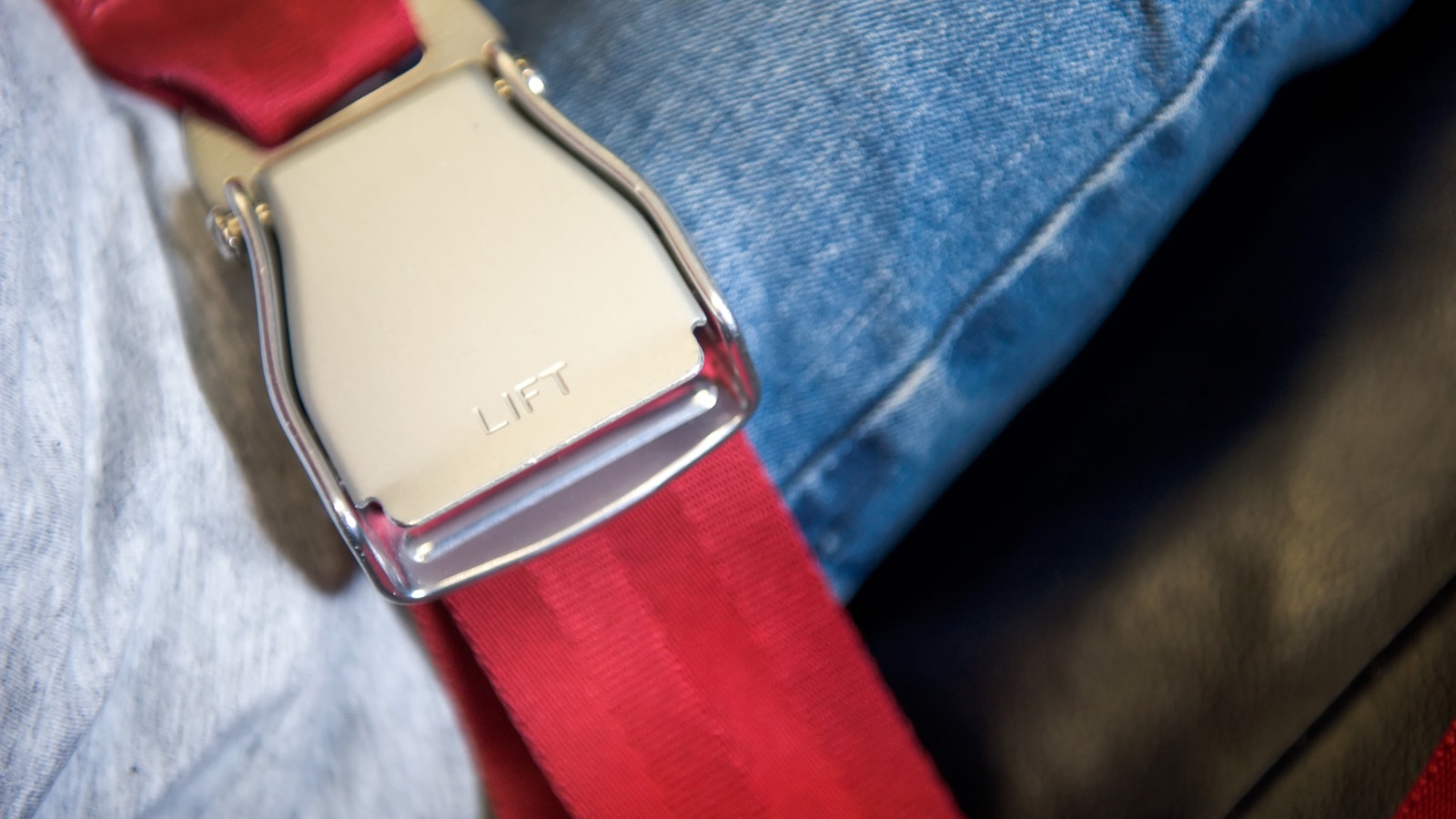
The recent Air India turbulence incident, which left 17 people injured, is a stark reminder of how quickly a routine flight can become unpredictable. It also highlights why keeping your seat belt fastened is one of the simplest yet most effective safety measures while flying. (Image-Canva)
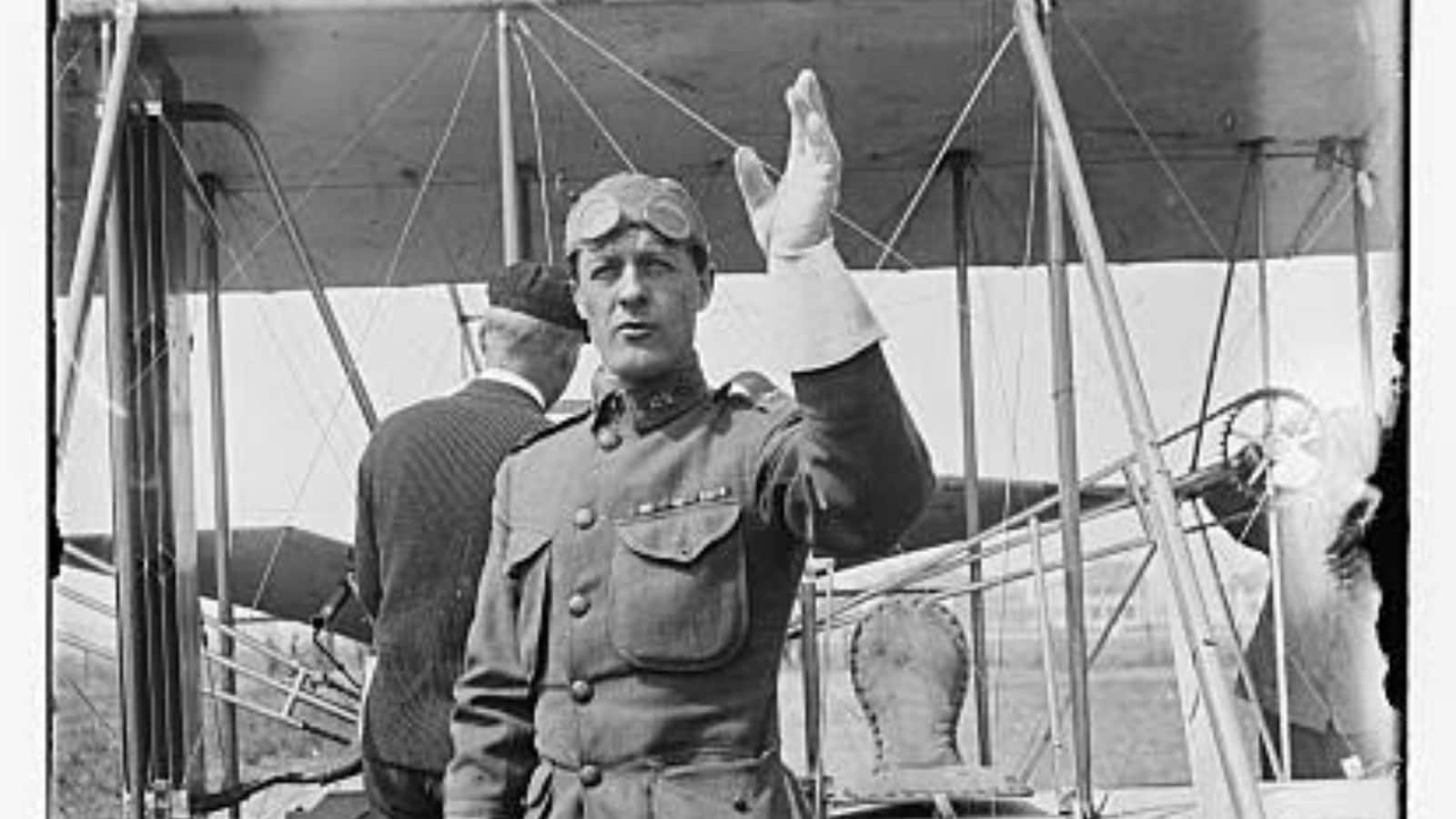
The first aircraft safety belt was invented in 1911 by Major General Benjamin D. Foulois, one of America’s pioneering military aviators. He introduced it to prevent pilots from being thrown out of early aircraft during flight, laying the foundation for modern aviation safety. (Image: International Encyclopedia)

As aviation advanced, seat belts quickly became standard. During World War I, the US military equipped aircraft with safety harnesses, and after the war, commercial aeroplanes gradually adopted them for both pilots and passengers. (Image-Canva)
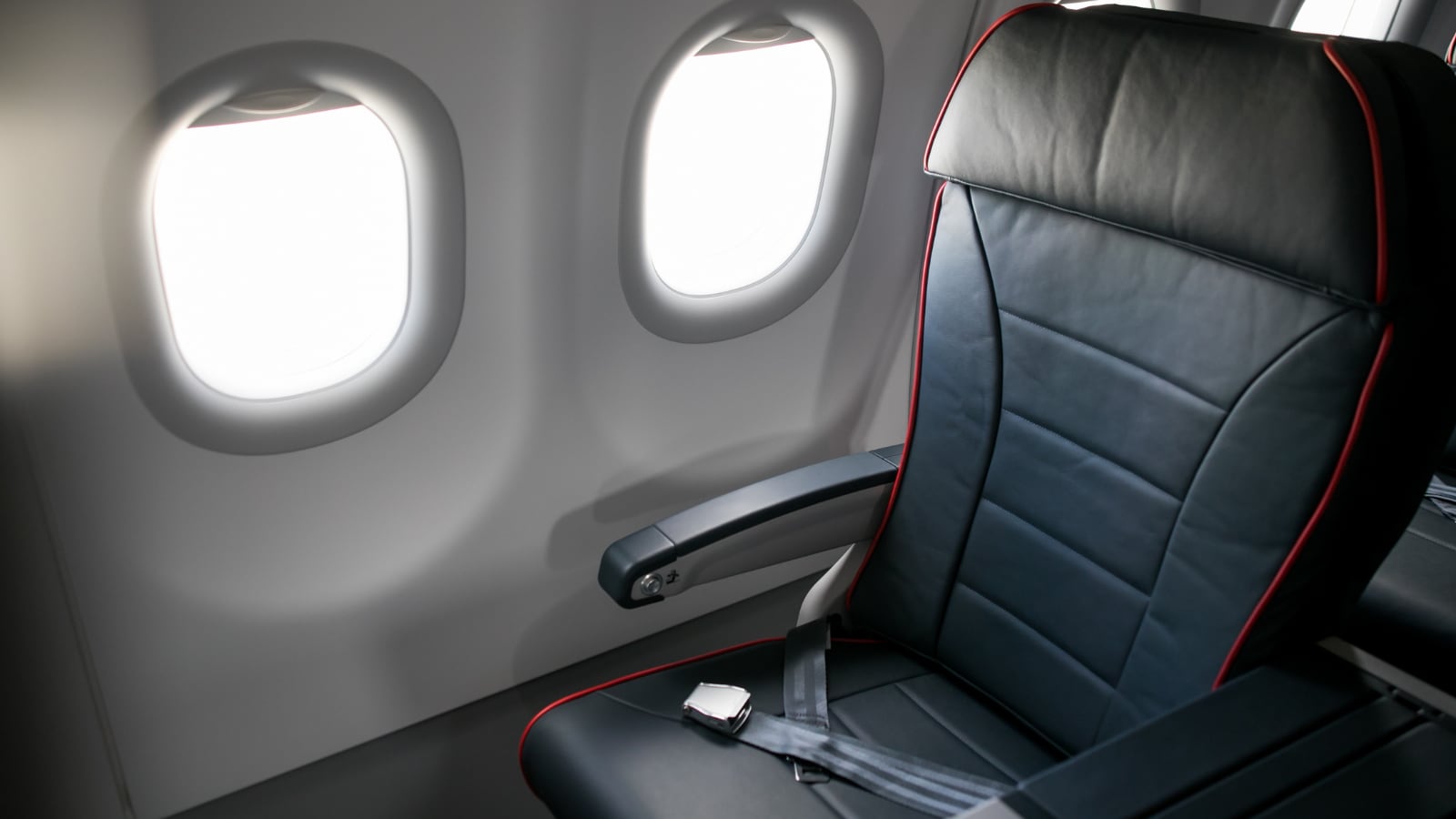
In 1926, the United States introduced its first aviation safety regulations through the Air Commerce Act. Two years later, seat belts became mandatory in all aircraft, although passengers were not yet legally required to wear them. (Image-Canva)
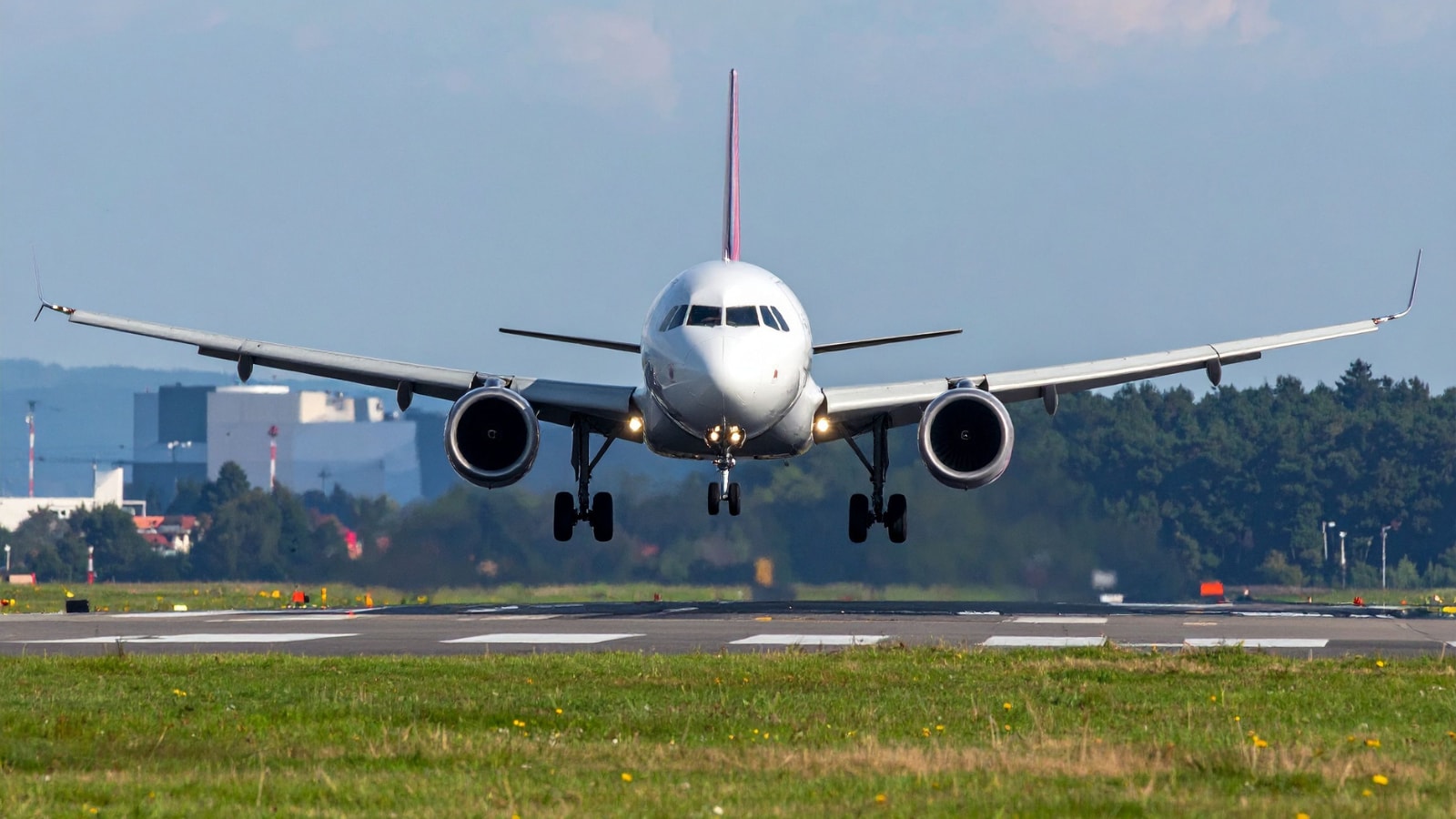
Today’s aircraft seat belts mainly protect passengers during turbulence, takeoff, and landing. They prevent people from being thrown from their seats or suffering injuries caused by sudden movements inside the cabin. (Image-Canva)
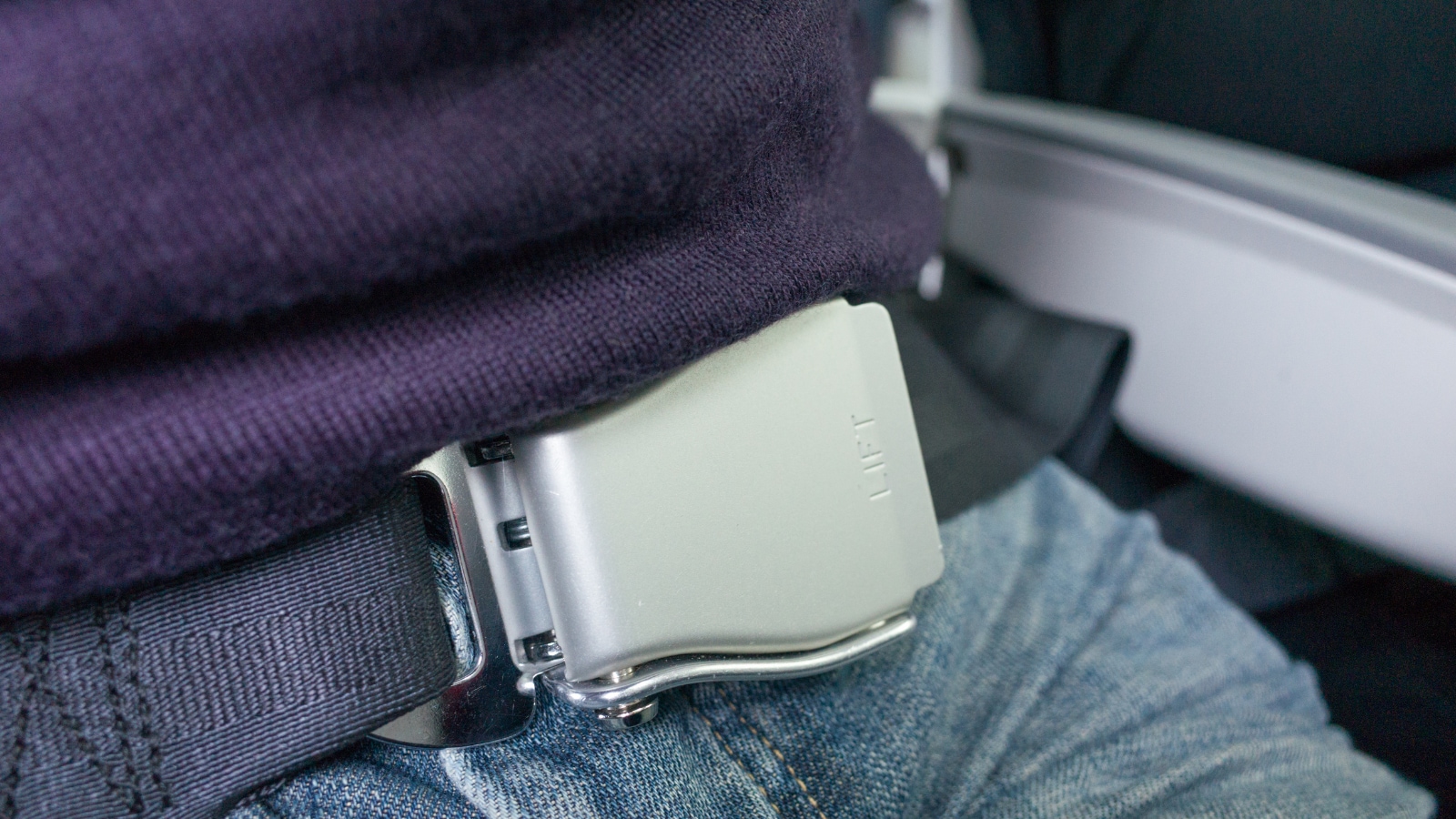
Many people wonder why commercial aeroplanes still use lap belts instead of shoulder belts. Engineers say shoulder restraints would require heavier seats and stronger anchor points, increasing aircraft weight and reducing fuel efficiency. (Image-Canva)
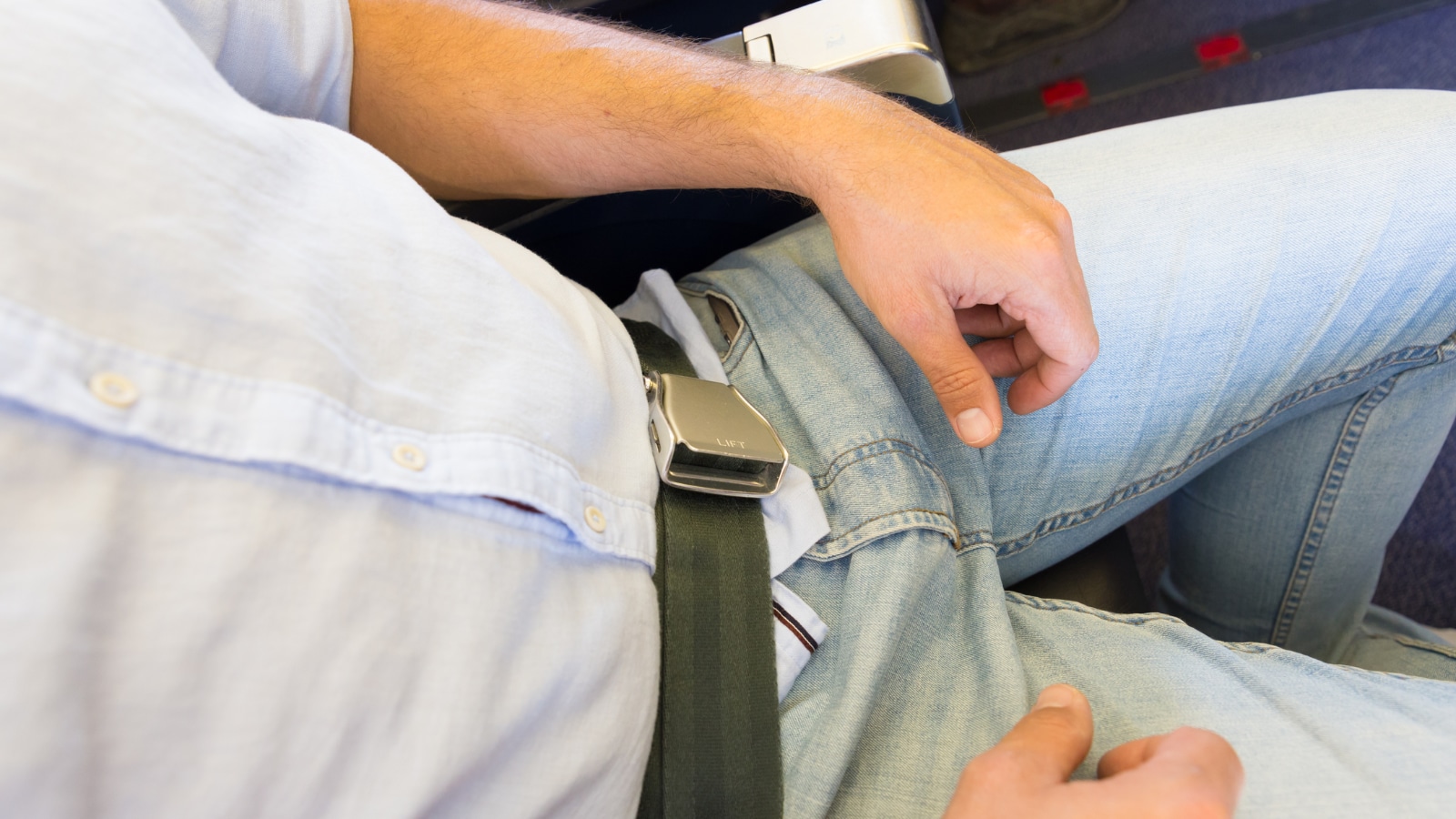
Modern aviation rules require passengers to fasten seat belts whenever instructed by the crew, especially during takeoff, landing, and turbulence. This simple precaution remains one of the easiest and most effective ways to stay safe onboard. (Image-Canva)