




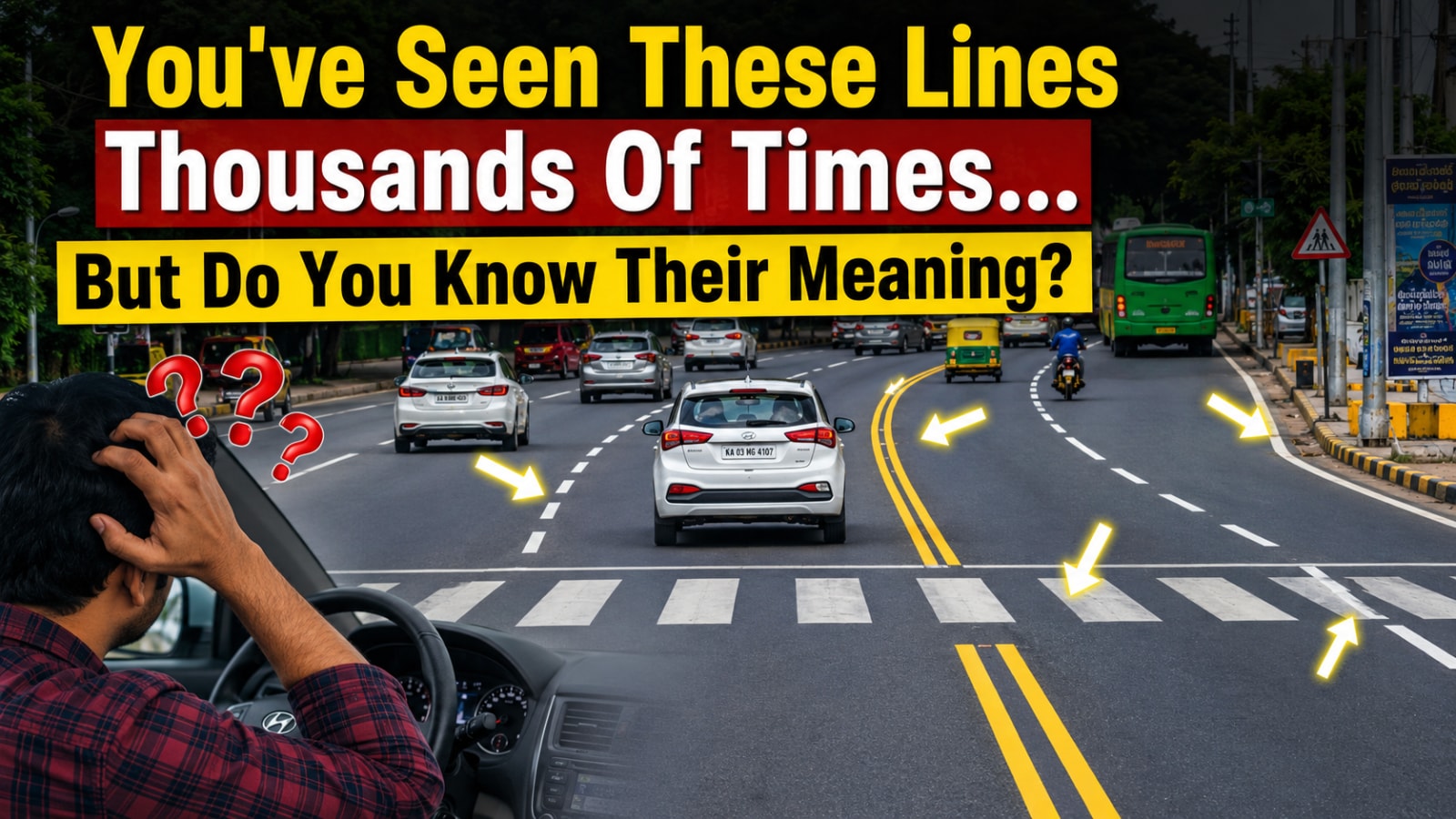
The white and yellow lines painted on roads and highways are far more than simple markings. They serve as essential traffic signals that help regulate vehicle movement, improve road safety, and reduce the risk of accidents. From indicating when it is safe to change lanes or overtake to guiding pedestrians and drivers at intersections, these markings play a crucial role in maintaining order on the roads. (Image-AI)
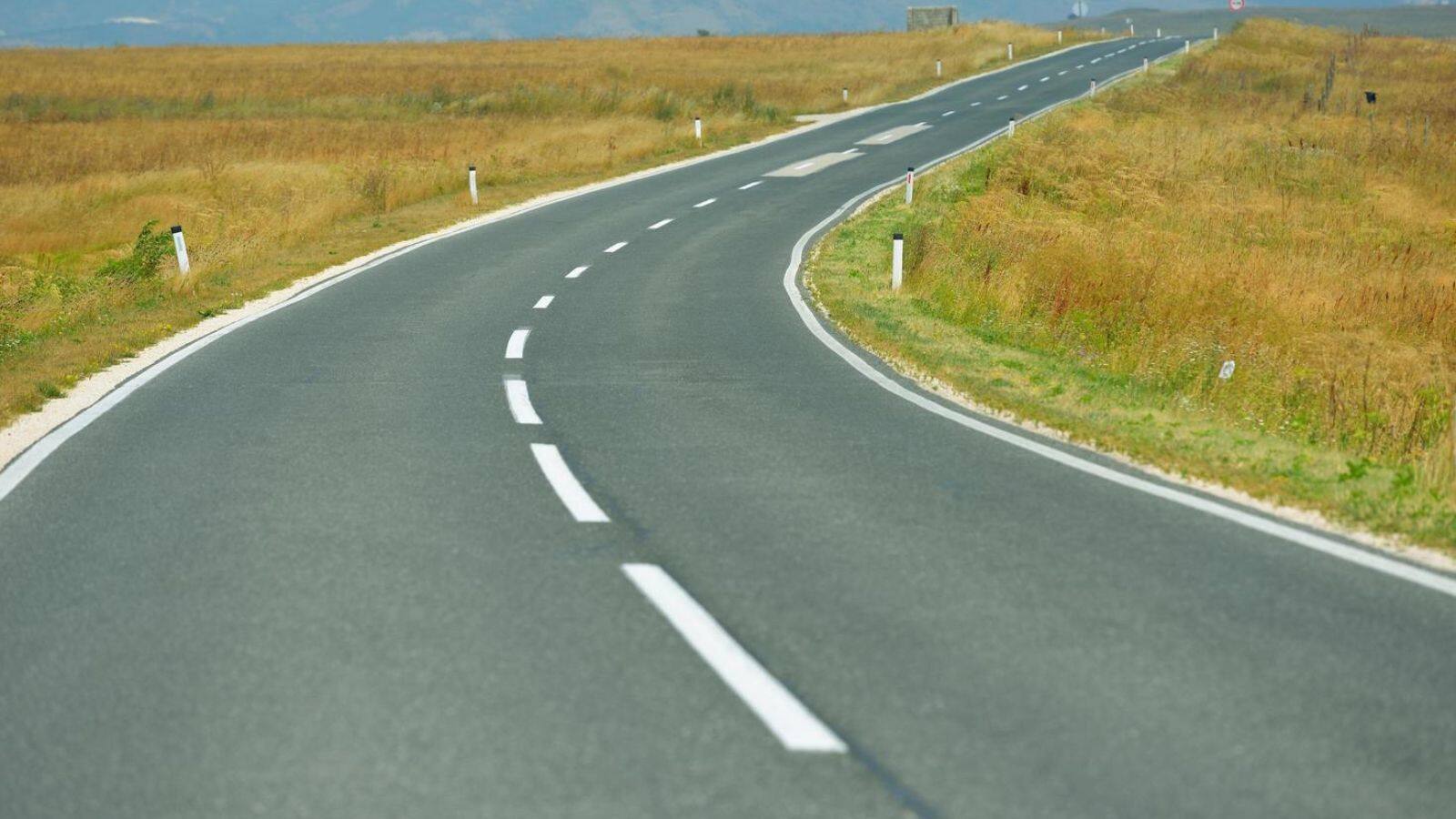
One of the most common road markings in India is the white broken line, which appears as a series of short white dashes. This marking indicates that drivers may change lanes or overtake another vehicle, provided the road ahead is clear and it is safe to do so.
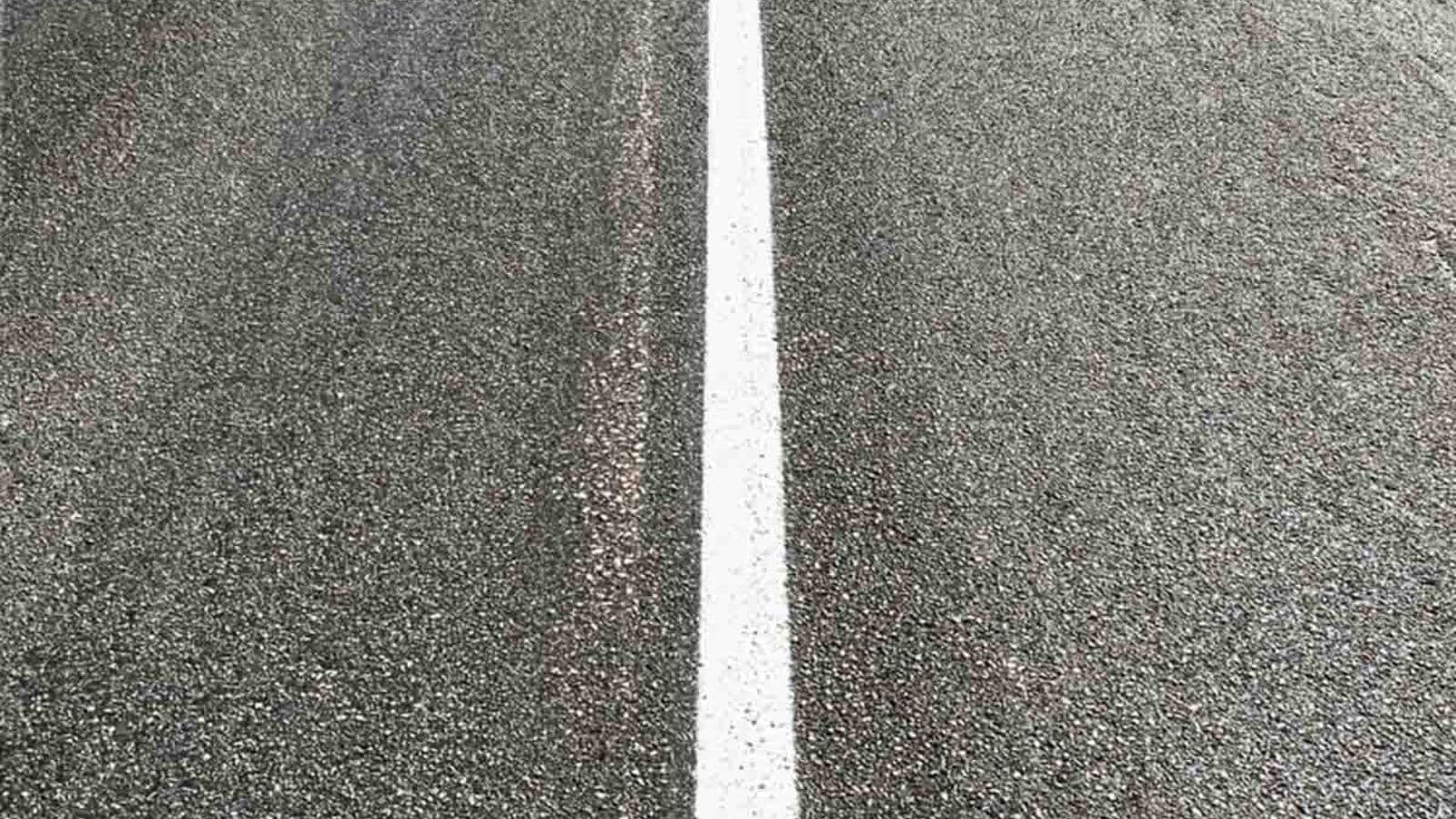
A continuous white line signals that drivers should remain in their current lane. Crossing this line to overtake or change lanes is generally discouraged, as it may create unsafe situations. Such markings are commonly found on highways and busy roads where maintaining lane discipline is critical for safety.
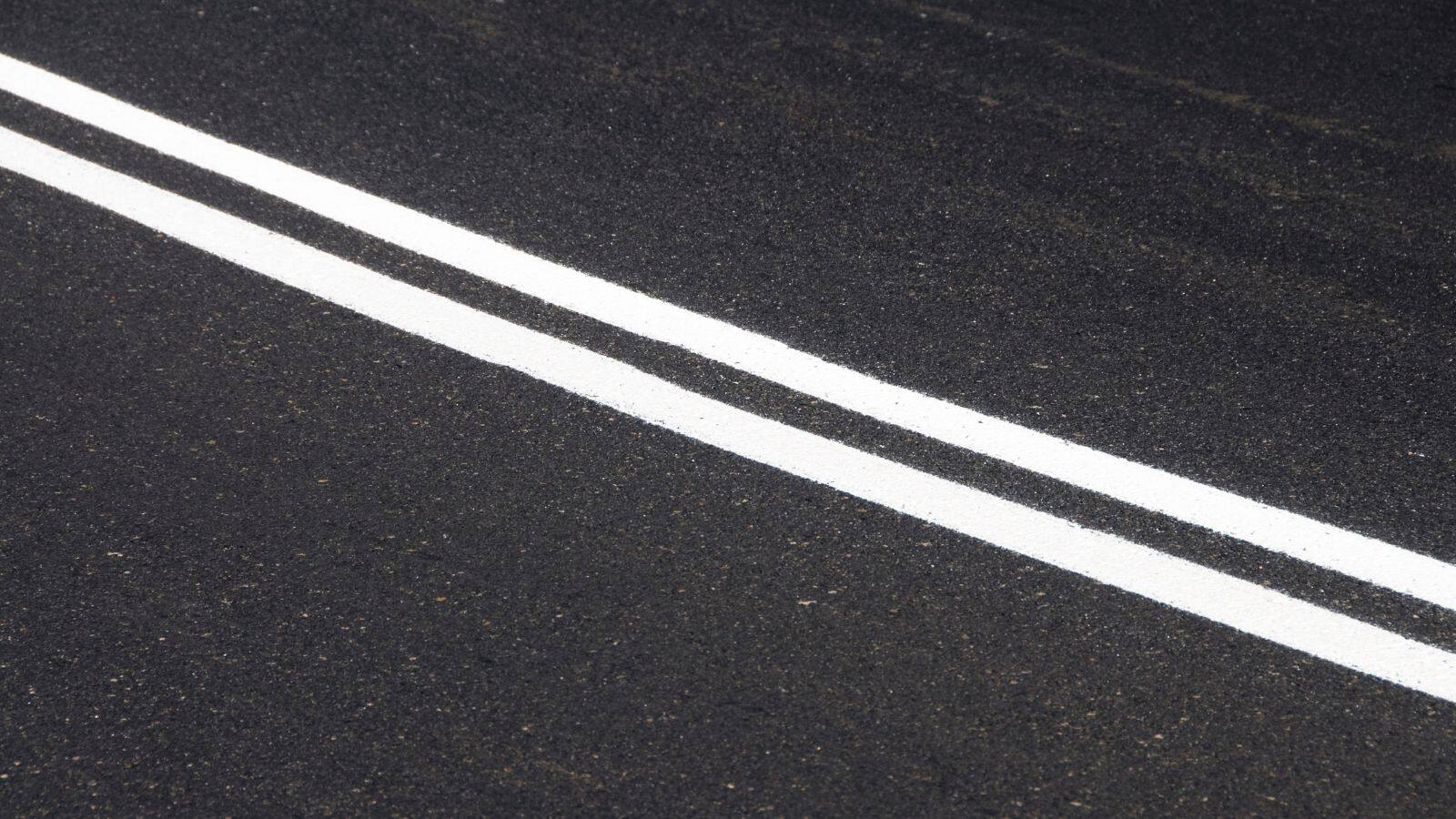
When two solid white lines run parallel to each other, they serve as a stricter warning. Drivers should not change lanes or cross these lines under any circumstances. These markings are usually placed in areas where even a minor mistake could lead to a serious accident.
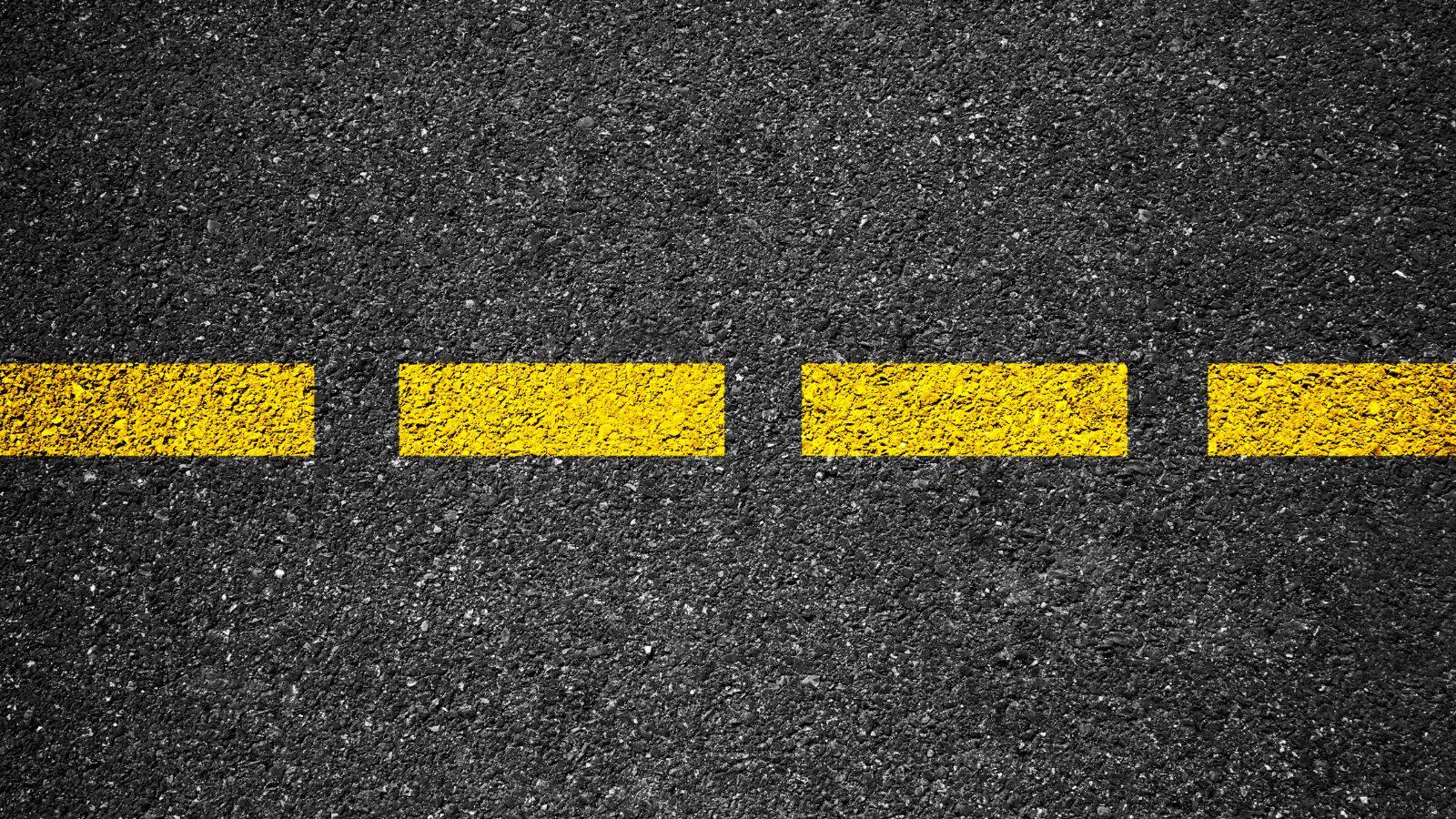
A broken yellow line is typically used to separate traffic moving in opposite directions. Drivers may overtake in such areas if the road ahead is clear and there is sufficient visibility and space. However, caution remains essential, and all traffic rules must be followed.
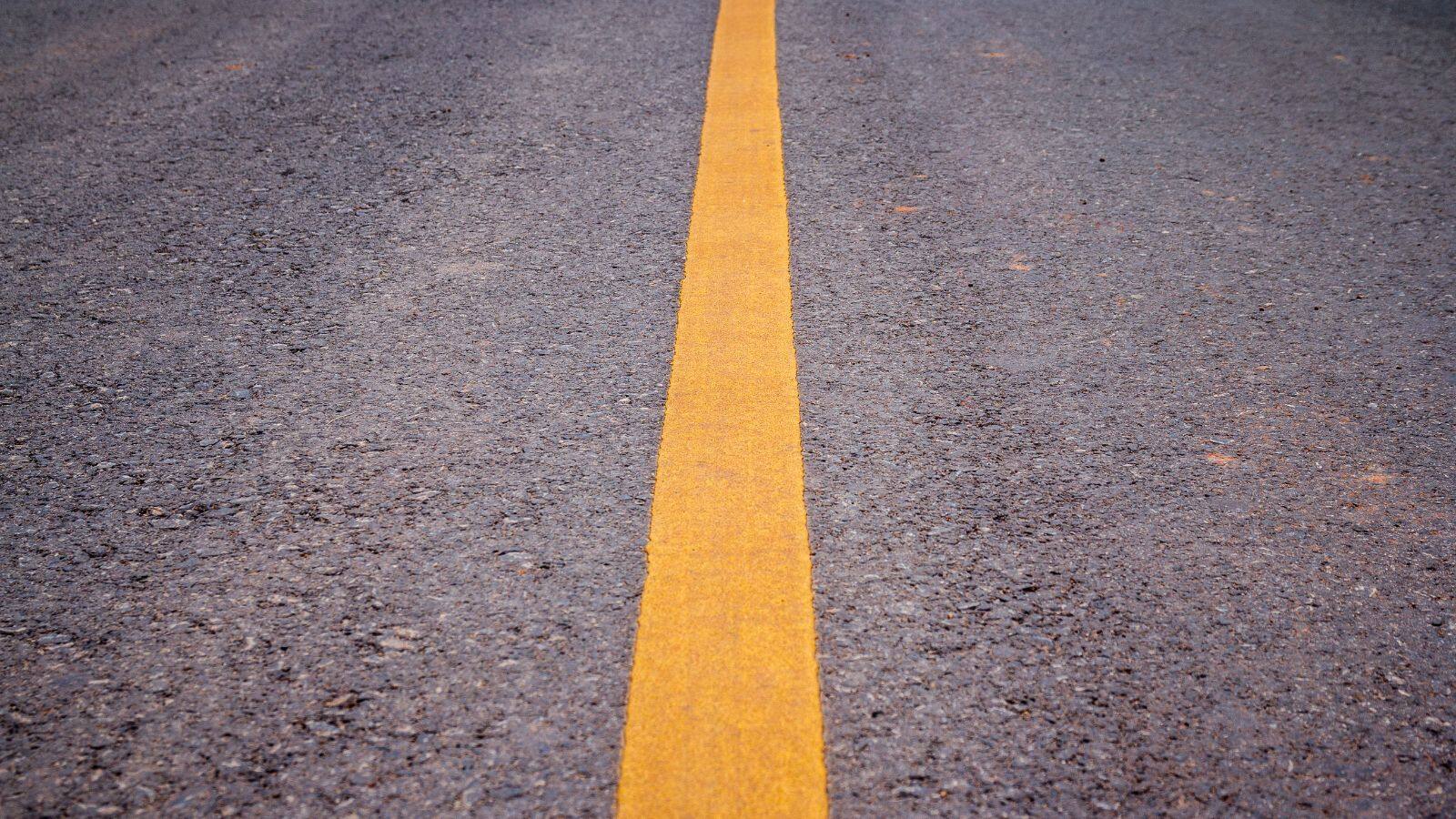
A solid yellow line indicates that overtaking is prohibited. These markings are generally found in high-risk locations such as sharp bends, steep slopes, or stretches of road with limited visibility. Crossing such a line can significantly increase the risk of collisions.
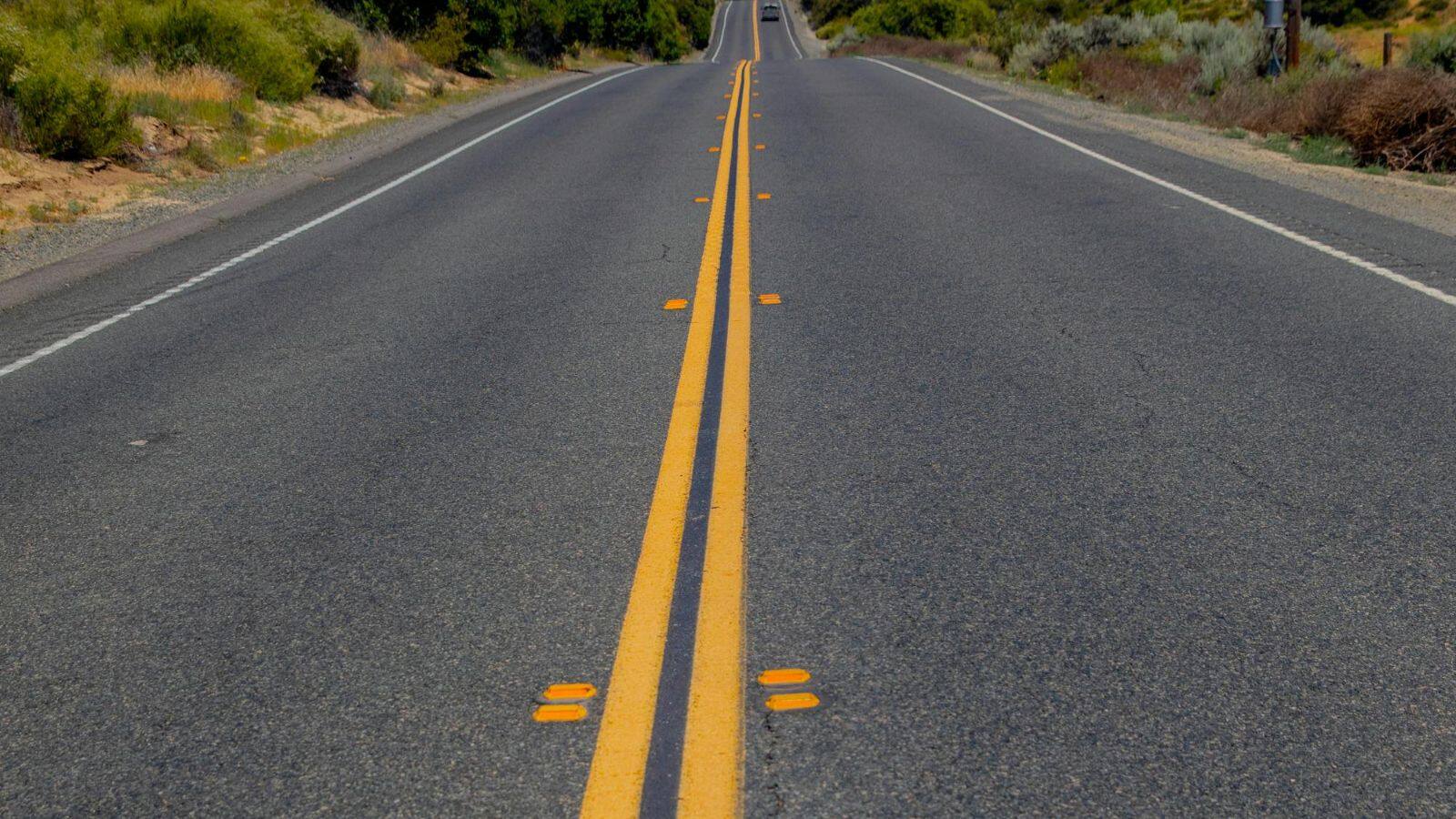
Two parallel yellow lines represent one of the strictest road markings. They indicate that drivers must neither change lanes nor overtake other vehicles. These markings are commonly seen on bridges, near sharp curves, and at busy intersections where traffic safety is a priority.
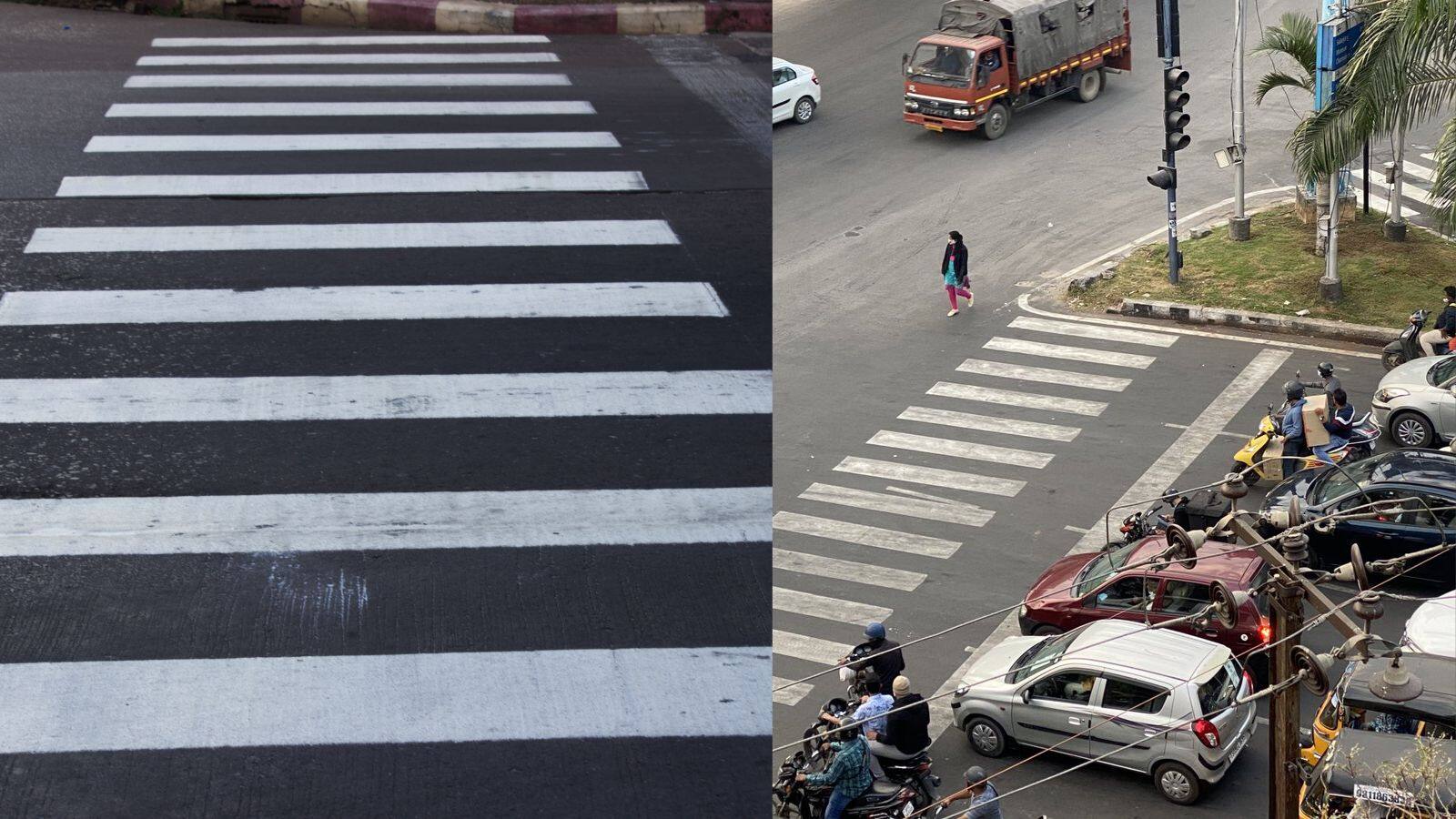
The black-and-white striped markings known as zebra crossings are designated areas for pedestrians to cross the road safely. Drivers are expected to slow down or stop and allow pedestrians to pass. Similarly, the solid white stop line near traffic signals indicates where vehicles must halt when the signal turns red. Adhering to these markings helps ensure the safety of both pedestrians and motorists.