




Last Updated:
A founder’s viral LinkedIn post revealed how he posed as a Dutch freelancer at 17 to overcome online bias, earn Rs 80,000 a month, and land international clients




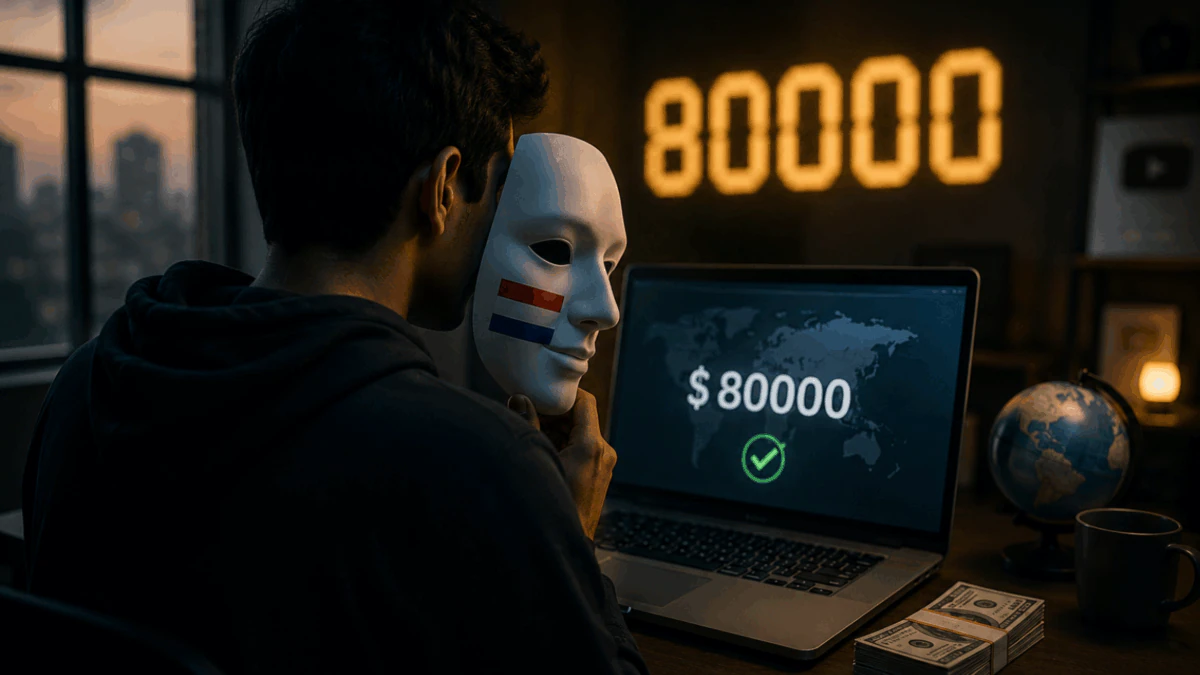
after recounting how he reinvented himself as a freelancer from the Netherlands during his teenage years (Image-AI)
A candid LinkedIn post by Shirsh Bajpai, co-founder of AevyTV has sparked a debate online after he revealed that he once posed as a man from the Netherlands to win foreign clients.
In the now-viral post, Bajpai recounted how he began freelancing at the age of 17 and discovered that being an Indian creator often worked against him when pitching his services to foreign clients.
According to him, many potential clients refused to work with him once they learned where he was from, while others subjected him to racist remarks. “At 17, I pretended to be a guy from the Netherlands so foreign clients would pay me. It worked. I was making Rs 80,000 a month, as a teenager,” he wrote.
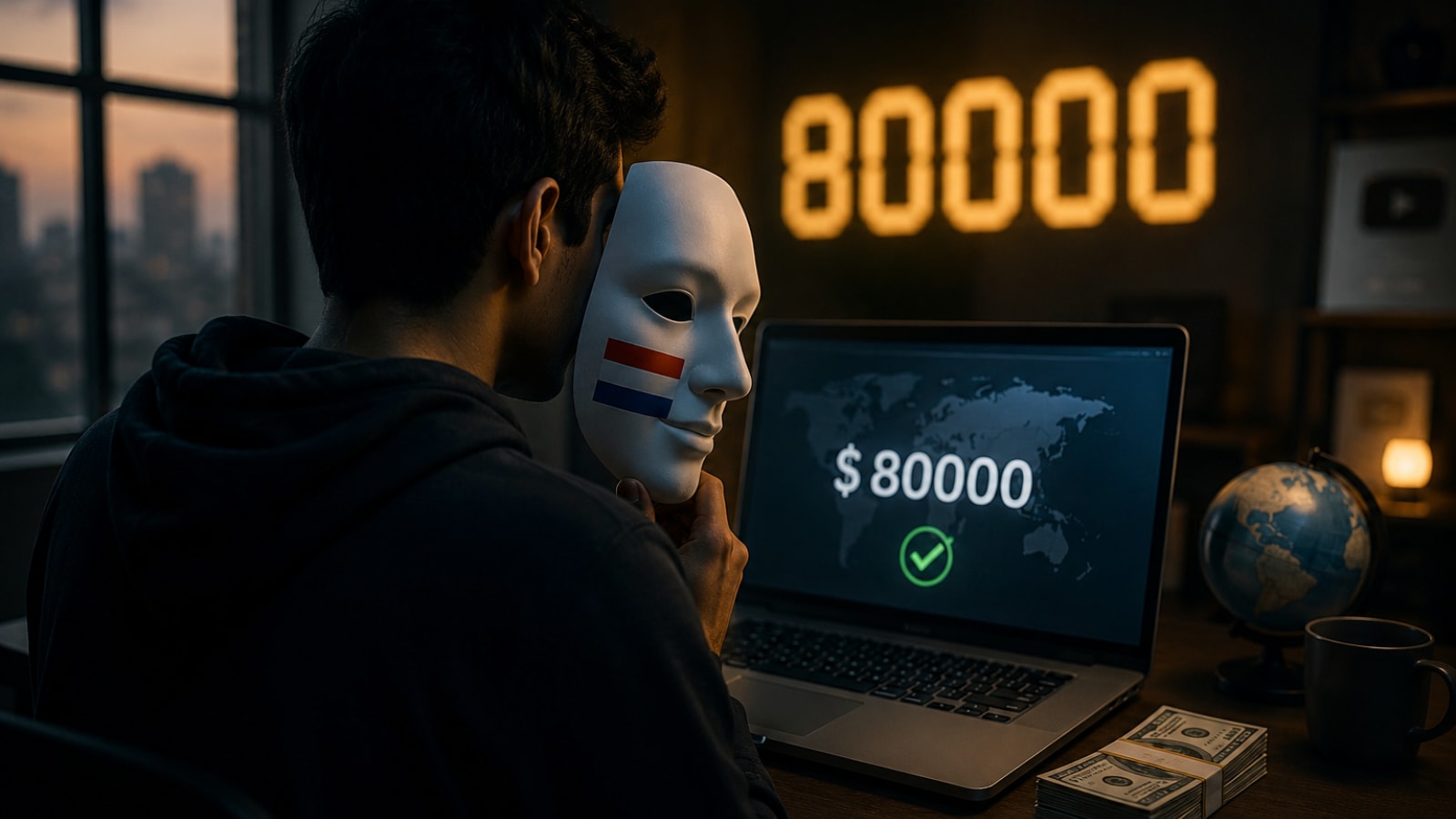
Bajpai explained that despite his skills remaining unchanged, he felt compelled to reinvent himself online. He adopted a new identity, claimed to be from the Netherlands, used a different name, and spoke with what he described as a strong American accent in his videos.
The strategy, he admitted, produced immediate results. Potential clients who had previously ignored him became more willing to hire him. The work itself did not change, but perceptions did.
The young freelancer soon began receiving payments in US dollars rather than Indian rupees. He revealed that he was charging more than $50 for a single thumbnail design during 2017-18, a significant amount for a college student at the time. According to him, each project typically required only 20 to 40 minutes of actual work, helping him earn nearly Rs 80,000 every month while still studying.
Bajpai also shared how he found clients in the first place. Rather than relying on formal marketing strategies, he created a large collage showcasing his work and sent it to countless people on Twitter. Looking back, he described the process as cold outreach long before he even knew the term “cold DM.”
However, maintaining the fabricated persona became increasingly difficult. The truth eventually came out in an unexpected way involving popular YouTuber CarryMinati. Bajpai revealed that CarryMinati had featured his channel when both creators had only a few hundred subscribers.
The exposure brought attention from viewers who questioned why an Indian creator was speaking with such an accent. The scrutiny became so intense that Bajpai ultimately requested that the feature be removed.
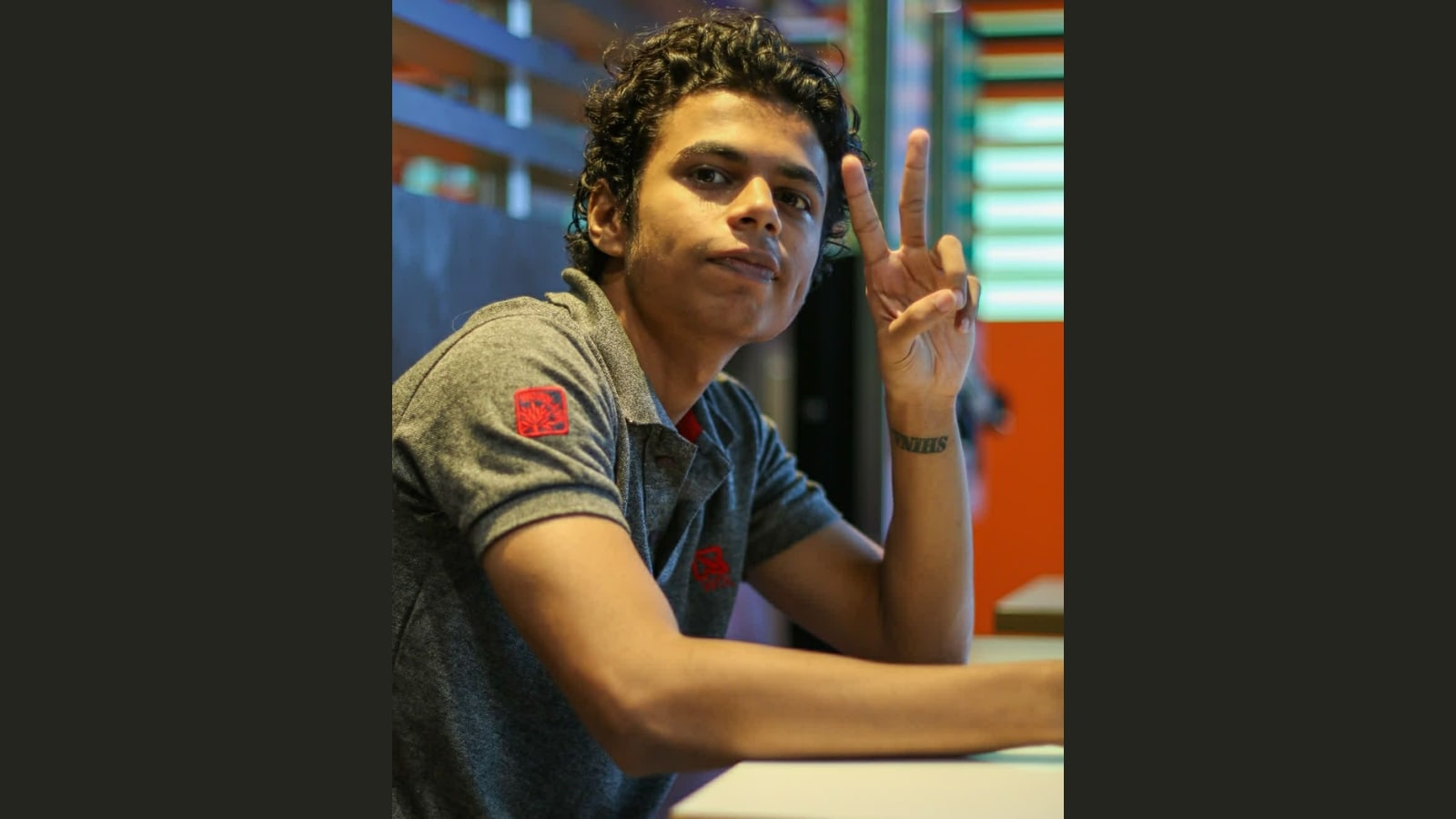
Reflecting on the experience, he noted the irony that the same accent and persona that helped him win overseas clients also made him a target of criticism in India.
Despite the unconventional approach, Bajpai stressed that the fake identity merely helped him get his foot in the door. According to him, it was his actual skills and quality of work that convinced clients to continue hiring him.
The story resonated with many social media users, many of whom saw it as a reflection of how perception can influence opportunities in professional environments.
“It’s wild how often perception gets you the first opportunity, but competence is what keeps it,” commented one user.
Another wrote, “The most interesting lesson here isn’t about the accent. It’s about how markets often reward perception before they evaluate skill.”
A third user highlighted Bajpai’s entrepreneurial drive, saying, “What’s remarkable is that even after removing all the unfairness from the story, one thing remains true: A teenager was finding clients, cold messaging strangers, and delivering work people were willing to pay for.”
Others pointed to the persistence of online prejudice. “And let me tell you all that kinda racism still exist,” said one commenter.
“Perception may create opportunities, but performance is what turns them into careers,” another user noted.
One commenter added, “This proves how talent can get overlooked because of assumptions people make before they even seen the work.”
Meanwhile, another user reflected on the broader issue of discrimination online, writing, “The sad reality is that the internet hasn’t changed much; people just hide their bias behind better corporate language now. but there is a massive lesson here for every Indian freelancer trying to go global.”
Read More