





Last Updated:
Ultimately, Annamalai’s future trajectory appears insulated from the traditional pitfalls of fading significance or a fragmented return




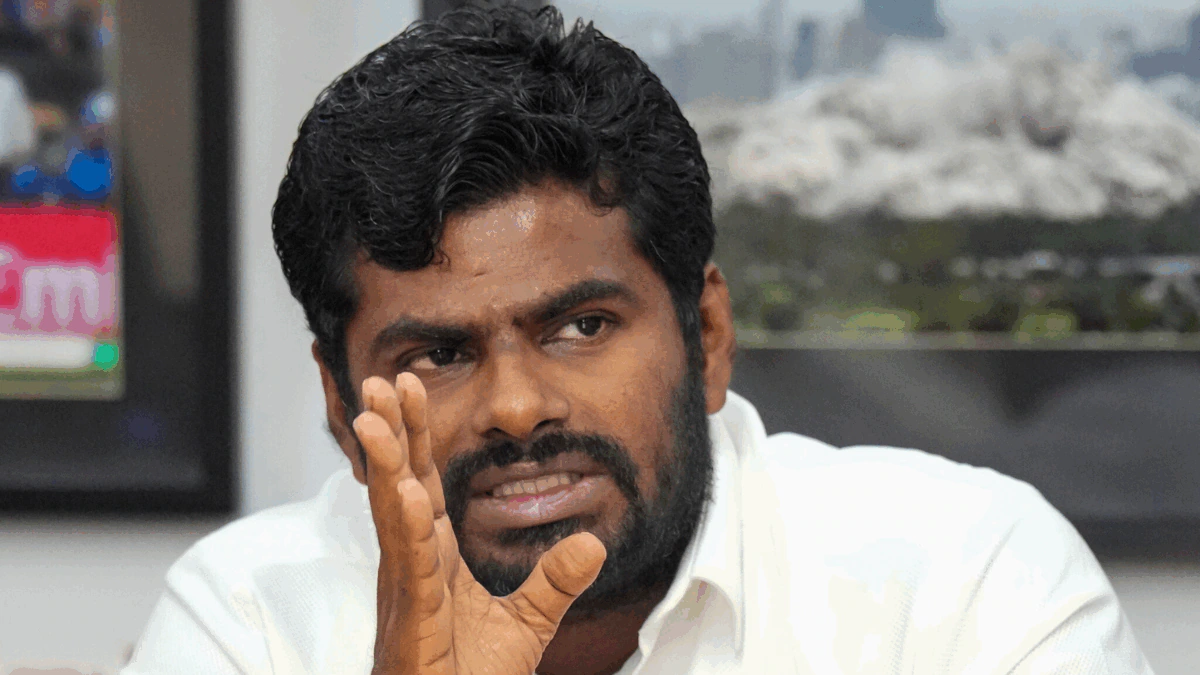
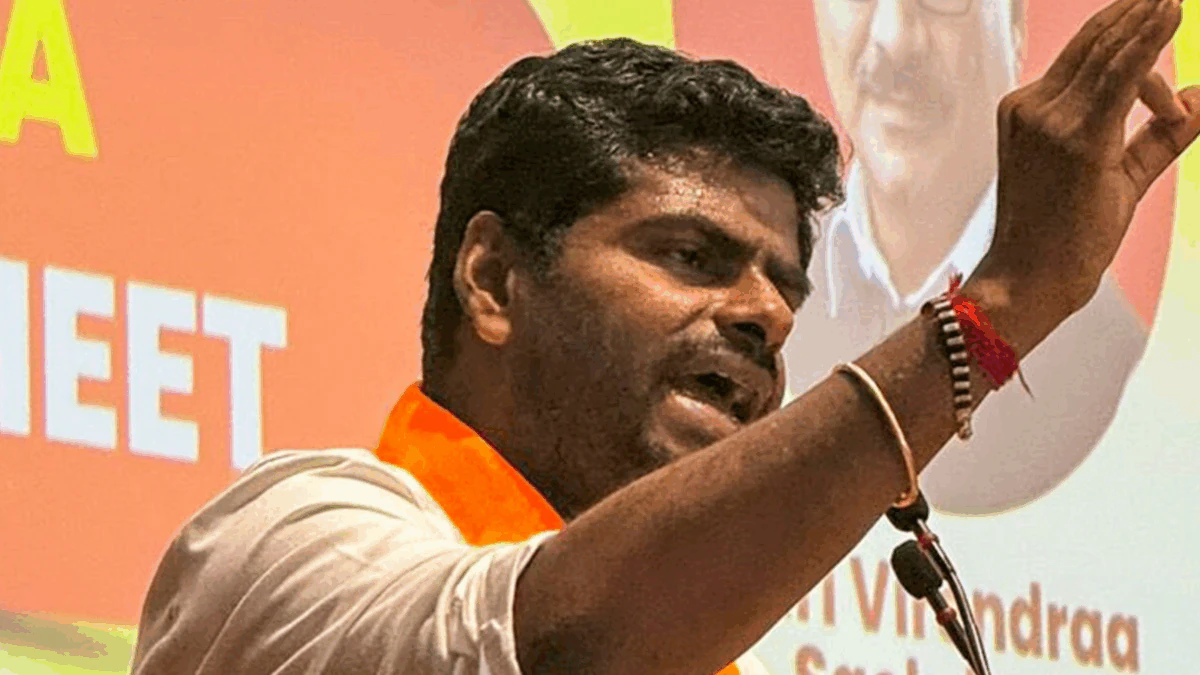
K Annamalai’s current position fundamentally diverges from past precedents because his political trajectory was conceived and nurtured entirely within the modern, institutional framework of the party’s current national leadership. File pic/PTI
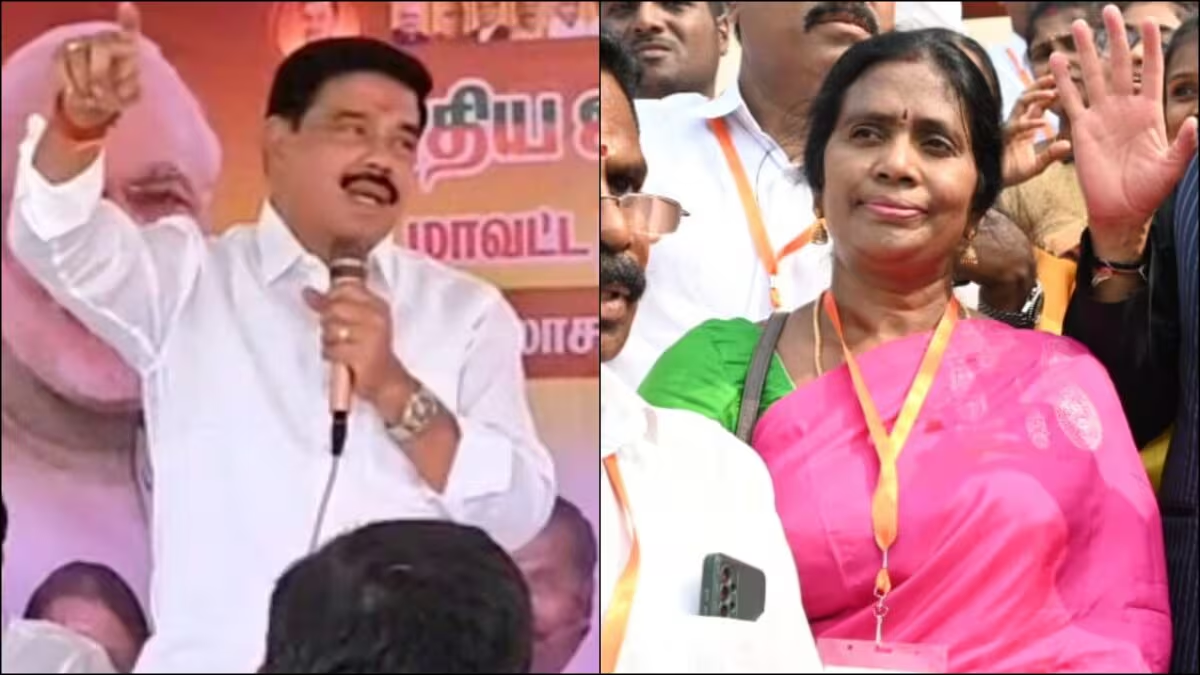
The recent resignation of K Annamalai from his post as the Bharatiya Janata Party’s Tamil Nadu state unit chief has initiated a significant structural transition within the regional political landscape. In a rapid sequence of events on Friday, the state unit experienced immediate administrative adjustments as two senior organisational leaders—State Vice President Karu Nagarajan and State Secretary Sumathi Venkatesh—also stepped down from their respective positions. This coordinated realignment has drawn intense focus towards the evolving dynamics of the party’s southern growth strategy, prompting analysts to evaluate how this new generation of leadership fits into the historical patterns of political exits from the central ruling dispensation.
The Three Historical Paths of Party Exits
Historically, high-profile figures who have parted ways with the centralised organisational structure of the BJP have generally followed three well-documented trajectories. The first involves prominent regional stalwarts like Kalyan Singh, Uma Bharti, and BS Yediyurappa, who initially chose independent routes but ultimately reintegrated with the parent organisation to consolidate their traditional ideological bases.
The second path has seen veterans such as Jaswant Singh, Yashwant Sinha, Kirti Azad, and Shatrughan Sinha experience a gradual transition in national political clout after moving into alternative political spaces.
Conversely, a distinct third category includes figures like Shankersinh Vaghela and Nana Patole, who successfully maintained active relevance by anchoring their careers firmly within established opposition coalitions.
Why Annamalai’s Profile Presents a Modern Paradigm
K Annamalai’s current position fundamentally diverges from past precedents because his political trajectory was conceived and nurtured entirely within the modern, institutional framework of the party’s current national leadership. A former IPS officer rather than a traditional career politician, Annamalai was specifically tasked with building an aggressive, ideologically distinct alternative to Dravidian politics in Tamil Nadu. Because his profile is built entirely upon an unyielding commitment to the central command’s long-term vision, his resignation is viewed by observers not as a conventional rebellion but as a calculated recalibration. The immediate follow-on resignations of Karu Nagarajan and Sumathi Venkatesh underscore the emergence of a highly dedicated, disciplined cohort within the state unit.
Organisational Continuity Amid Transition
The swift personnel changes on Friday highlight the underlying structural shift taking place within the state’s political theatre. Under Annamalai’s tenure, the party achieved unprecedented narrative visibility in Tamil Nadu through high-octane state-wide foot marches and robust anti-corruption campaigns, effectively positioning the organisation as a primary challenger to the ruling regional dispensation. Far from representing an organisational collapse, the simultaneous exits indicate that a distinct, ideologically synchronised faction now exists, which could either be redeployed by the central leadership or serve as a foundational base for a renewed grassroots push in the south.
The Trajectory of Strategic Relevance
Ultimately, Annamalai’s future trajectory appears insulated from the traditional pitfalls of fading significance or a fragmented return. By commanding the loyalty of key state office-bearers during this transition, he remains a potent, independent intellectual force in a region defined by complex political dynamics. Whether this organisational shift paves the way for a specialised national role curated by the high command or a fresh regional alignment, the structural foundations laid down ensure that the next chapter of the party’s southern experiment will be built upon an entirely modernised playbook.
About the Author

Pathikrit Sen Gupta is a Senior Associate Editor with News18.com and likes to cut a long story short. He writes sporadically on Politics, Sports, Global Affairs, Space, Entertainment, And Food. He tra…Read More
Read More