







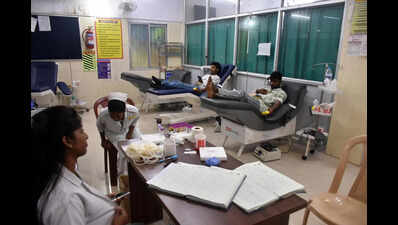
Ranchi: The state department of health, medical education and family welfare is set to rope in a specialised agency for strengthening, operating and managing the blood banks across the state.The move comes amid concerns over poor condition and functioning of blood banks in several parts of Jharkhand. Reports of shortages of blood units, mismanagement and operational lapses have surfaced from time to time, creating difficulties for patients and their families who depend on timely availability of blood during medical emergencies.Additional chief secretary health Ajoy Kumar Singh said the agency will be responsible for conducting blood donation camps across the state and submitting the collected blood at blood banks.“Due to manpower crunch, govt blood banks in the state could not organise blood donation camps, which led to blood shortages. Since the system of replacement blood has been discontinued, the challenge of blood collection has increased. Blood collection is only possible through voluntary donation and camps. The agency will do this work for the department so that availability of blood can always be ensured at the banks,” Singh said.The state needs between 1.5 lakh and 2 lakh units of blood every year. However, blood banks are often starved of blood units, putting patients at risk.Department sources said the agency selection process is currently in the tender evaluation stage. “Following the tendering process initiated earlier in April, five bidders have qualified, and the evaluation of their bids is underway,” the source said.Jharkhand’s blood bank system remained in controversy in recent times. In October last year, five children with thalassaemia contracted HIV after undergoing blood transfusion at Chaibasa Sadar Hospital in West Singhbhum district.In December last year, the Jharkhand High Court directed the state govt to ensure that blood is given to patients without it being replaced by a donor. A division bench of the High Court directed the health department to ensure that blood is provided voluntarily to patients without the earlier practice of taking a unit of blood in return.

