






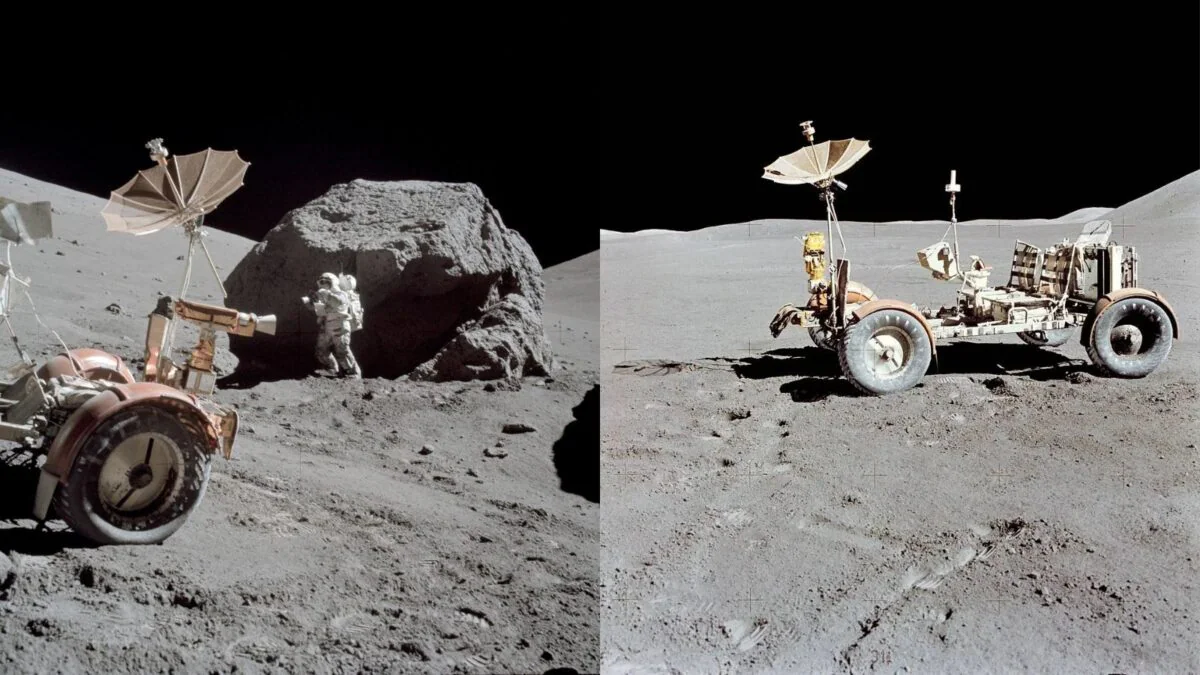
Pakistan has named its first lunar rover — Jinnah-1, after the country’s founder, Quaid-e-Azam Muhammad Ali Jinnah. The name was picked by the national space agency, Suparco, from close to 4,000 entries submitted in a nationwide public competition; seven people separately suggested “Jinnah-1,” and a draw among them named 17-year-old Taib Kareem from Bahawalnagar the official winner.
What Jinnah-1 will do
Weighing around 35 kilograms and built entirely by Pakistani engineers, Jinnah-1 is scheduled to travel to the Moon’s south pole aboard China’s Chang’e-8 mission, currently slated for 2029. China is supplying the lander; once Jinnah-1 is down, Pakistani specialists take over control directly. Its instruments, including a dedicated Terrain Testing Instrument, will study lunar soil, radiation and plasma — research tied to the south pole’s suspected water ice deposits, seen as key to any future lunar base.
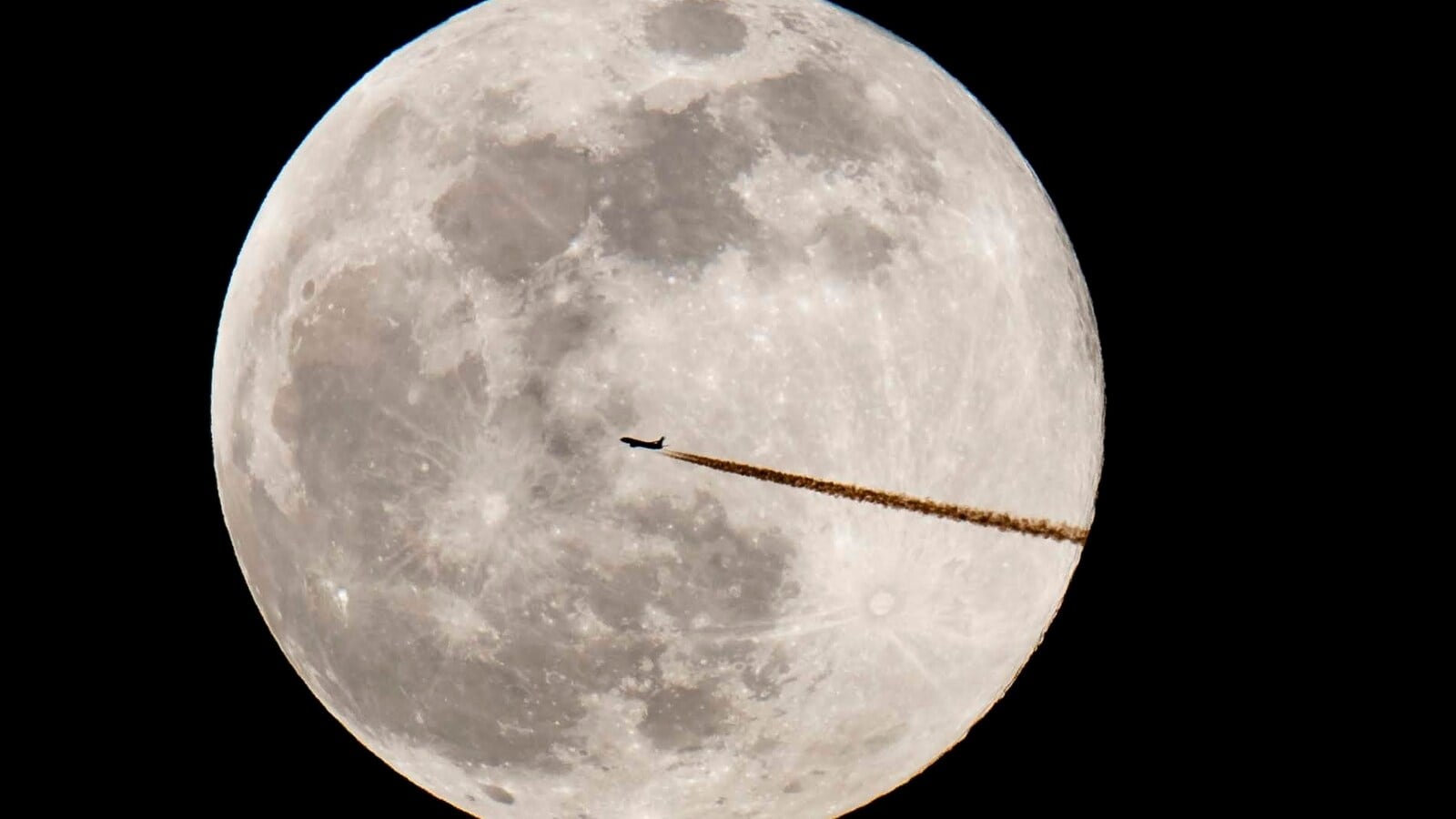
Here are some other rovers that Jinnah-1 is joining. Representational image/AP
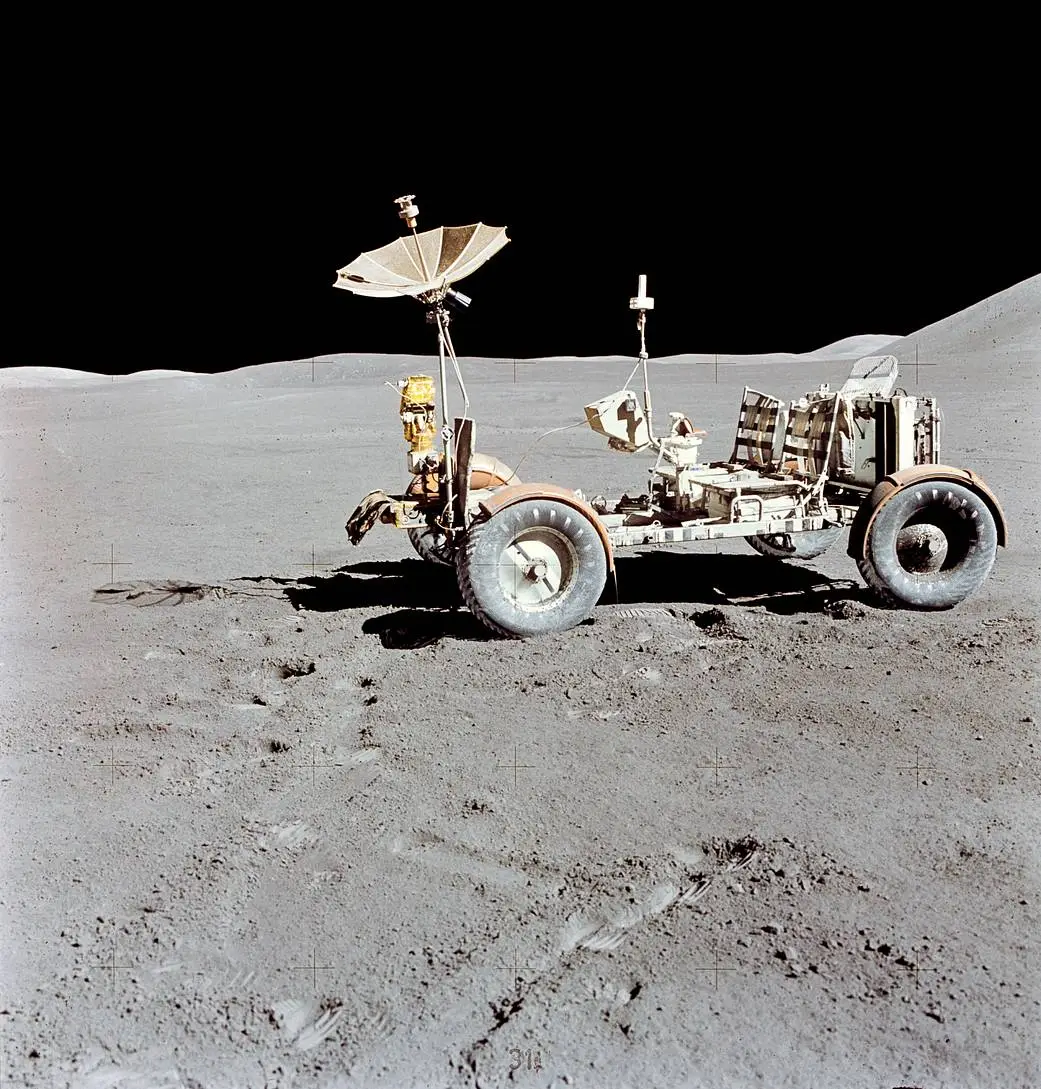
Lunar Roving Vehicle (US, Apollo 15–17, 1971–72) — NASA’s astronaut-driven “moon buggy,” never given a poetic name. (Credit: NASA)
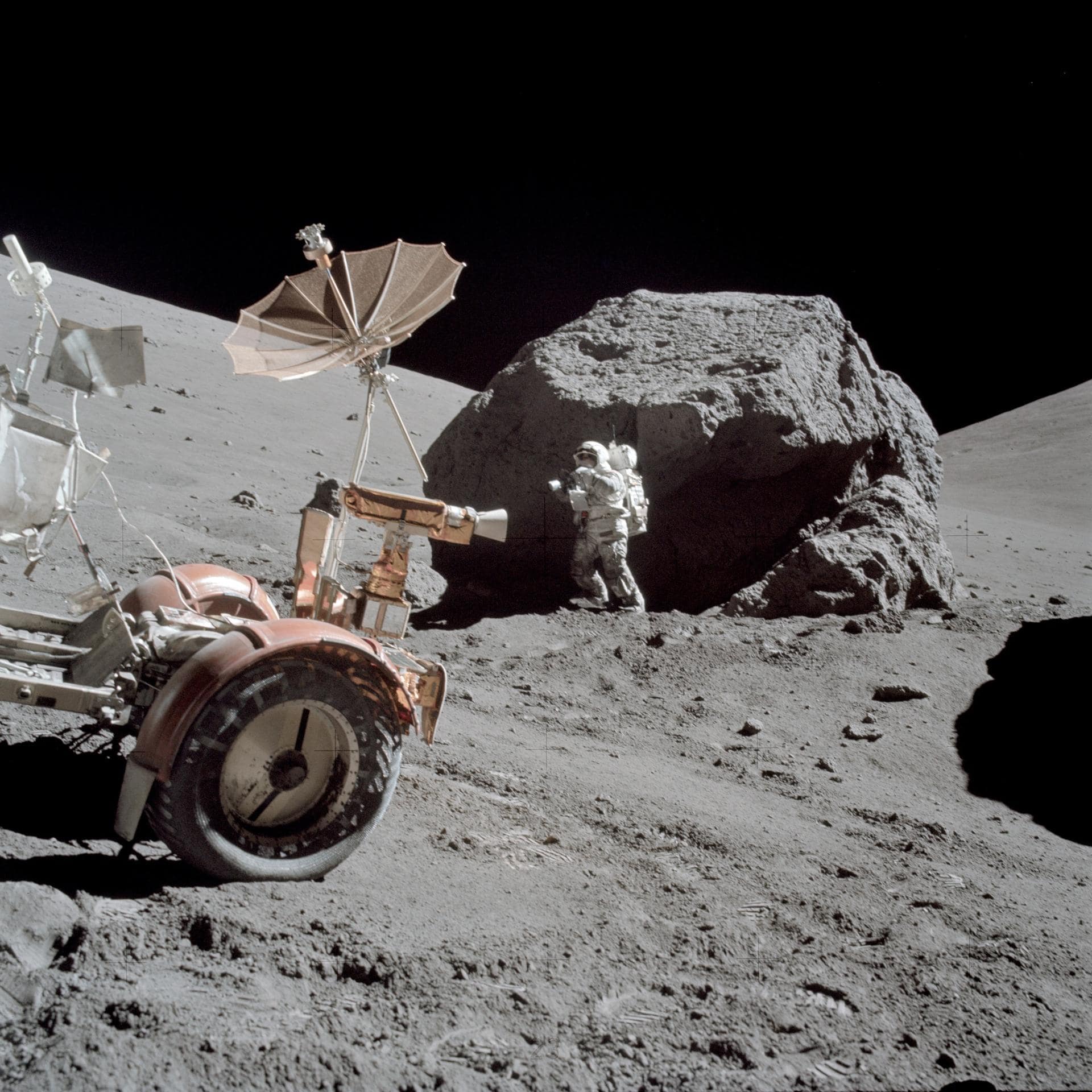
The LRV was a lightweight, electric vehicle designed to operate in the low-gravity vacuum of the Moon. It was capable of traversing the lunar surface, allowing Apollo astronauts to extend the range of their extravehicular activities. (Credit: NASA)
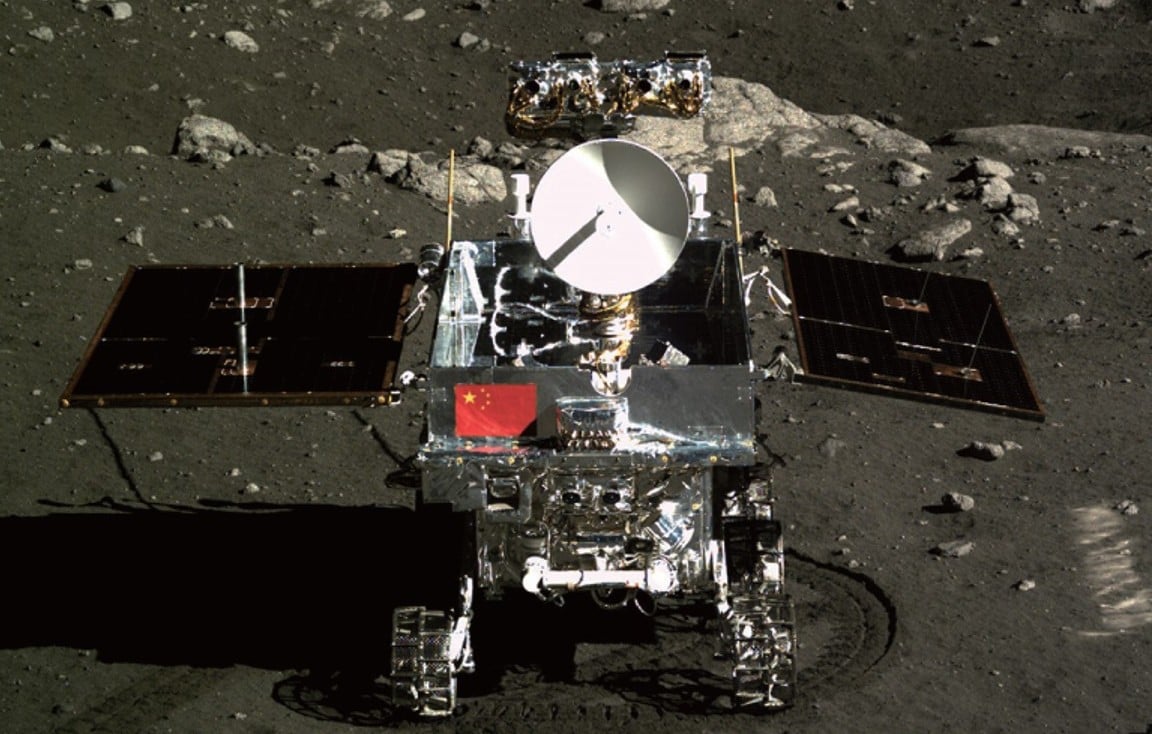
Yutu (China, Chang’e 3, 2013) — “Jade Rabbit,” named for the mythical companion of the Moon goddess Chang’e.
(Credit: Wikimedia/Institute of High Energy Physics, Chinese Academy of Sciences)
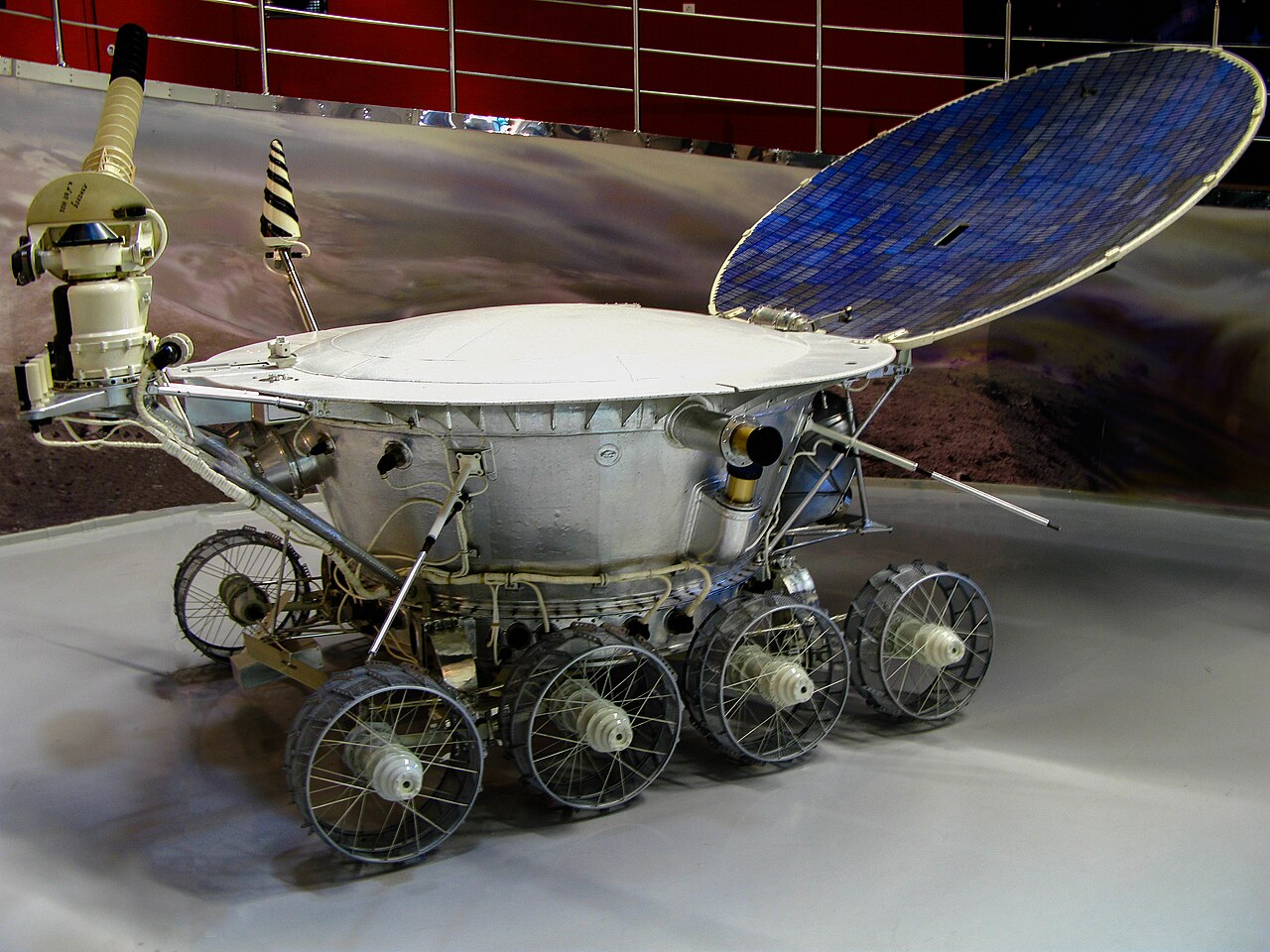
Lunokhod 1 and 2 (USSR, 1970, 1973) were the first rovers ever to operate on the Moon. The name simply means “moonwalker.” Lunokhod 1 was the first robotic rover on the Moon and the first to freely move across the surface of an astronomical object beyond the Earth. (Credit: Mock-up of Soviet Lunokhod–1 moonrover/ Petar Milošević)

Pragyan (India, Chandrayaan-3, 2023) — meaning “wisdom” in Sanskrit; made India the first country to land near the lunar south pole.