








Last Updated:
WhatsApp has started rolling out usernames, allowing users to connect without sharing phone numbers but many fear the feature could fuel impersonation scams in India




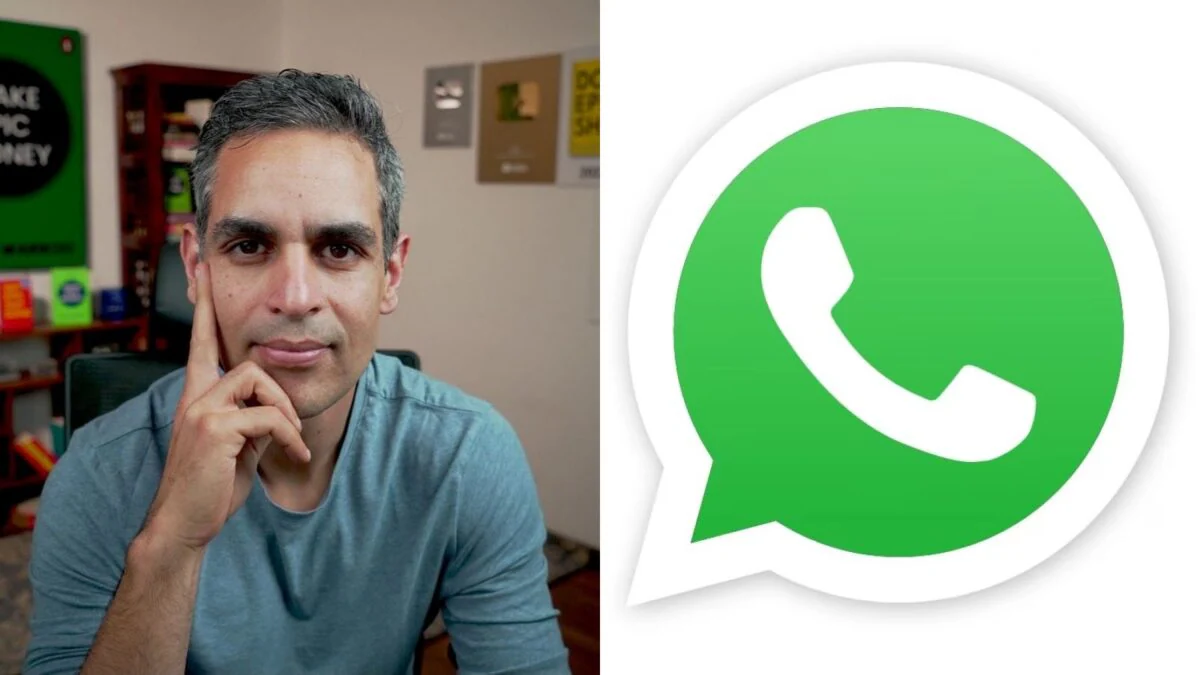
‘This Could Be A Disaster’: Ankur Warikoo Warns About WhatsApp Update, Dhruv Rathee Slams Meta
WhatsApp’s latest update is being called one of its biggest privacy changes in years — but in India, many users fear it could also open the floodgates to a new wave of scams and impersonation frauds.
The messaging platform recently announced that it is introducing usernames, allowing people to connect without sharing their phone numbers. Users can now reserve usernames through Settings > Account > Username, with the feature set to roll out more widely later this year.
While WhatsApp described the move as a privacy-focused update, entrepreneur and content creator Ankur Warikoo warned that the feature could become “a disaster” in a country like India if proper anti-abuse systems are not introduced.
“In a country such as India, this could be a disaster, if the right anti-abuse systems are not set up by WhatsApp,” Warikoo wrote on X.
He explained how scammers could easily create usernames resembling public figures and influencers. “Imagine receiving a message from warikoo / awarikoo / ankurwarikooo / ankur_warikoo / a_warikoo / ankurwarikooofficial etc etc — soliciting money,” he said.
Warikoo pointed out that many users still struggle to understand verified badges even on existing social media platforms. He also argued that the username feature removes an important layer of safety because users will no longer be able to identify someone through their phone number.
“Cannot be verified through calling the phone number (because username = privacy),” he added.
The entrepreneur also referenced his previous legal battle with Meta over AI-generated scam ads that allegedly used his face to lure people into fake investment WhatsApp groups.
“I have fought a legal case against Meta’s lack of attempt to bring down AI-generated ads showing my face, luring people into investment WhatsApp groups. I understand how massive this scam is and how easy it is in our country to execute it,” he wrote.
In a country such as India, this could be a disaster, if the right anti-abuse systems are not set up by WhatsApp.Imagine receiving a message from warikoo / awarikoo / ankurwarikooo / ankur_warikoo / a_warikoo / ankurwarikooofficial etc etc – soliciting money.
1. Most people… https://t.co/AaiH7F1szN
— Ankur Warikoo (@warikoo) June 30, 2026
Internet Reacts
His concerns quickly triggered a massive debate online, with many users agreeing that India’s huge WhatsApp user base could make the feature risky if not monitored properly.
YouTuber Dhruv Rathee also reacted to the discussion and criticised Meta’s handling of scams across its platforms.
“They don’t care.. Team Zuckerberg’s only goal is to extract as much money as possible. They willingly let scams and fraud ads run on their other platforms. Now they’ll probably let the same happen on WhatsApp,” he commented.
Several users, however, argued that impersonation already exists on platforms like X, Facebook and Telegram, and that the responsibility to verify identities ultimately lies with users themselves.
“That can happen even today right? Someone can simply use your pic, name and send from any other mobile number,” one person wrote.
Another remarked, “but the same can be done on x too. facebook too. telegram too. why is it a problem just because its whatsapp?”
Others hoped WhatsApp would eventually introduce blue-tick verification or stronger reporting systems to reduce abuse.
“The WhatsApp username feature has been introduced in the name of privacy, but in a country like India, it could become a haven for scammers,” one user warned, adding that robust verification and anti-impersonation systems were urgently needed.
Meanwhile, some users responded with humour. “Chill out bro. No one will send money with those warikoo usernames of yours😂 Instead they will text me if I could afford the next BMW with my salary or not 🤦♂️,” joked one person.
With over 850 million users in India alone, WhatsApp’s username rollout is likely to be closely watched in the coming months, especially to see whether the platform can balance privacy with protection against scams and impersonation.
About the Author

Mallika Bhagat is a Deputy News Editor at News18, where she leads the Lifestyle and Viral desks. A seasoned journalist and content strategist, she brings a decade of high-impact experience from India’…Read More

Read More