



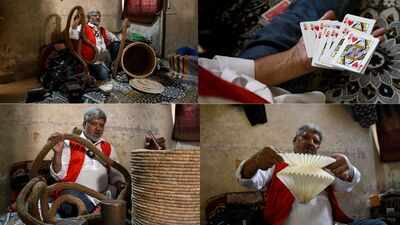
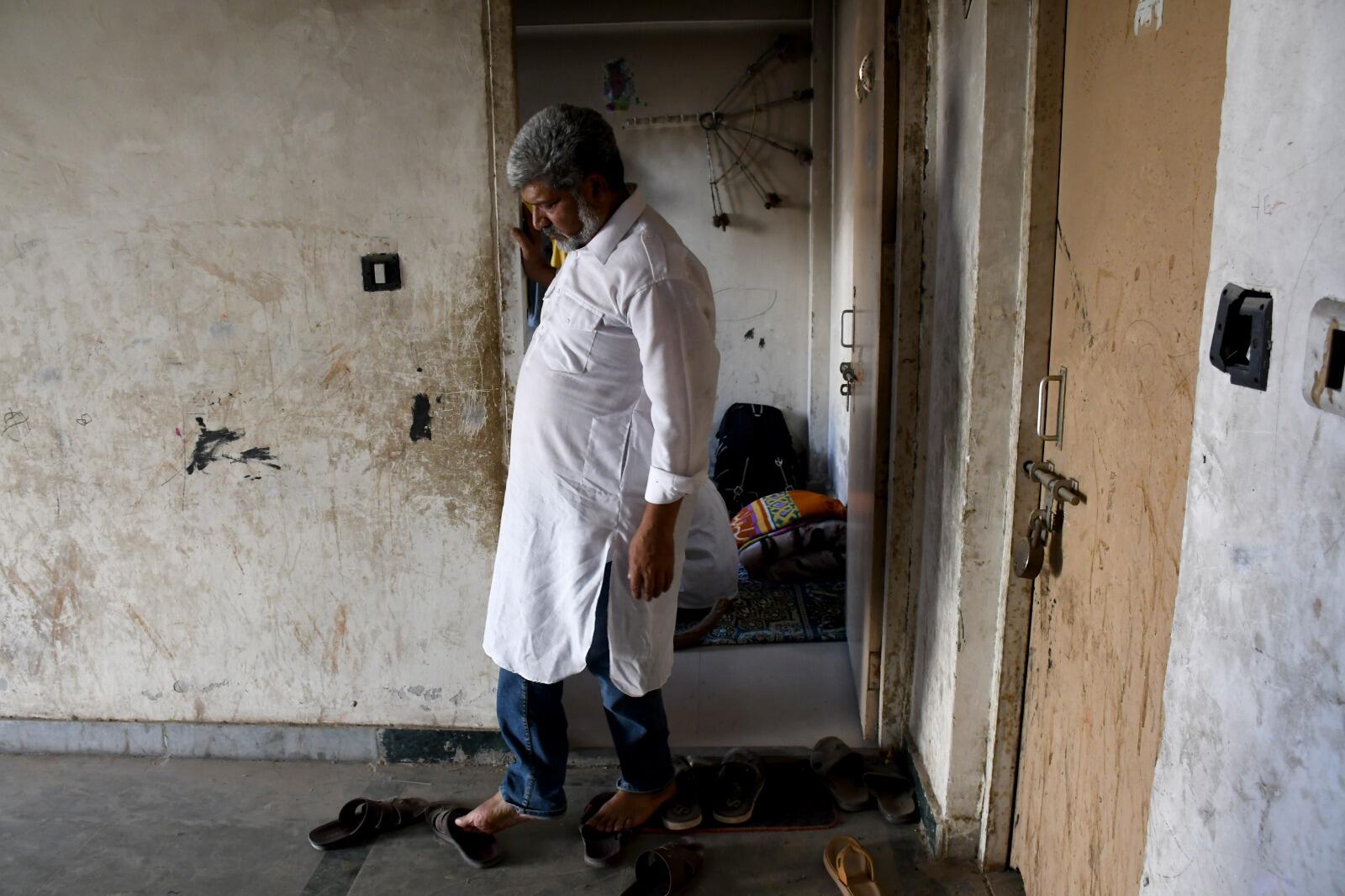
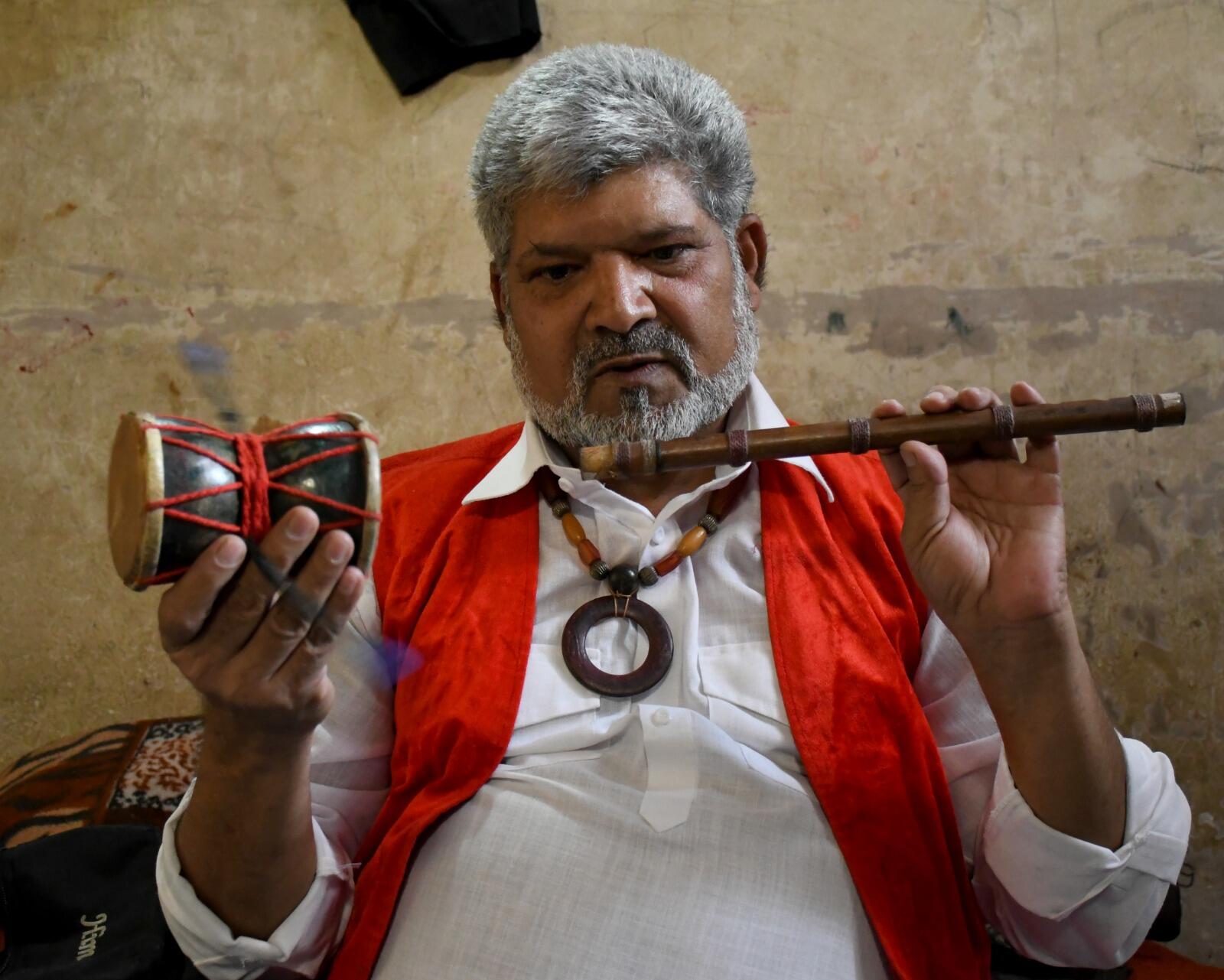
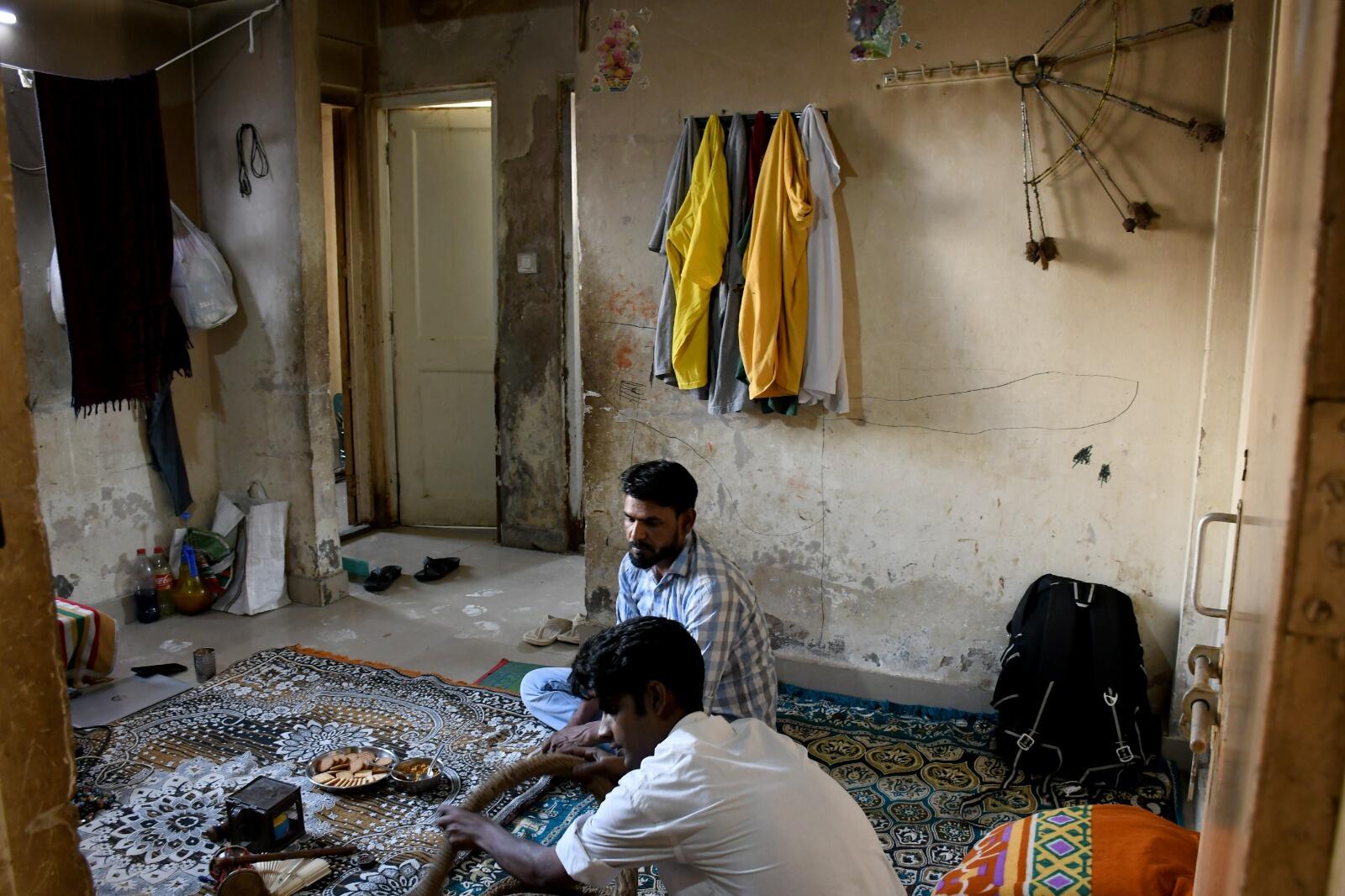
NEW DELHI: In a cramped one-room EWS flat in Bawana, surrounded by cracked walls and fading light, Ishamuddin Khan sits among ropes, wooden flutes, baskets and worn-out magic props that once travelled the world with him. Three decades ago, the Delhi street magician stunned audiences after performing the legendary Great Indian Rope Trick, earning international recognition and attention from global media organisations and broadcasters. Today, at 54, Khan survives on occasional birthday parties, corporate shows and financial help from friends, struggling to keep both his art and livelihood alive.
“I can still gather thousands if I perform on the streets of Chandni Chowk or India Gate,” he says quietly. “People clap, smile and record videos on their phones. But very few ask how the artist survives.”Khan belongs to a traditional madari family of street performers. For generations, his family practised magic in village squares, markets and streets across the country. Magic, he says, was never a choice for him; it was inheritance: “In our tribe, everybody does magic. I learnt it from my father and uncle. The street became my first classroom.”
When he was a child, his parents briefly tried to push him towards school, hoping he would escape the difficult life of a street performer. But school never felt like home. Khan studied till Class VII before eventually returning to the streets, where he learnt crowd-building, storytelling and performance.Years later, while performing outside a circus in Delhi’s Raja Garden, Khan met mentors who encouraged him to explore the centuries old illusion mentioned in the writings of Ibn Battuta, Fa Hien, and Mughal records. After months of research and preparation, he publicly performed his version of the rope trick on July 24, 1995. “Overnight, everything changed,” he recalls. “Media from around the world came.”
The son of a street magician from Kathputli Colony soon found himself travelling across the globe, performing at festivals in Sweden, France, Ireland and Japan. Recently, he documented his journey in Jaadu Meri Zindagi, a 450-page autobiography tracing his life from Delhi’s crowded streets to international stages across Europe.But while foreign audiences treated him with dignity, survival back home became increasingly difficult. The fame he gained was short-lived, and didn’t promise financial security. The lack of public spaces, he says, was a major factor. And slowly, the crowds stopping to watch him perform on the streets began thinning.Today, the rope that once brought him global recognition lies discarded on the terrace of his Bawana flat, damaged by time and weather. “Many folk artists are living between applause and hunger,” he says. “A magician can create wonder, but he cannot create school fees or medicine through illusion.”Khan believes the country has forgotten the communities that once kept its folk traditions alive. Many traditional performers, he says, are now abandoning their art because survival through it has become nearly impossible. “These people are not symbols of backwardness,” he adds. “They are living libraries. They are carriers of culture and memory.”The struggle has also shaped the future of his own family. Khan’s children now work in digital creation and animation fields instead of following the family tradition. “For the future, technology is important,” Khan says. “But street performers are memories of the past. A country needs both memory and future.”Even now, Khan dreams of building a studio where traditional Indian magic could meet modern technology. He talks excitedly about creating new illusions using multimedia tools and digital effects. “If a pigeon can come out of a basket, why can’t a mobile phone?” he asks with a smile. “Art can evolve.”But dreams require money, something Khan says he has spent most of his life chasing simply to survive. “What hurts most is not poverty; it is watching your art disappear in front of your eyes.”