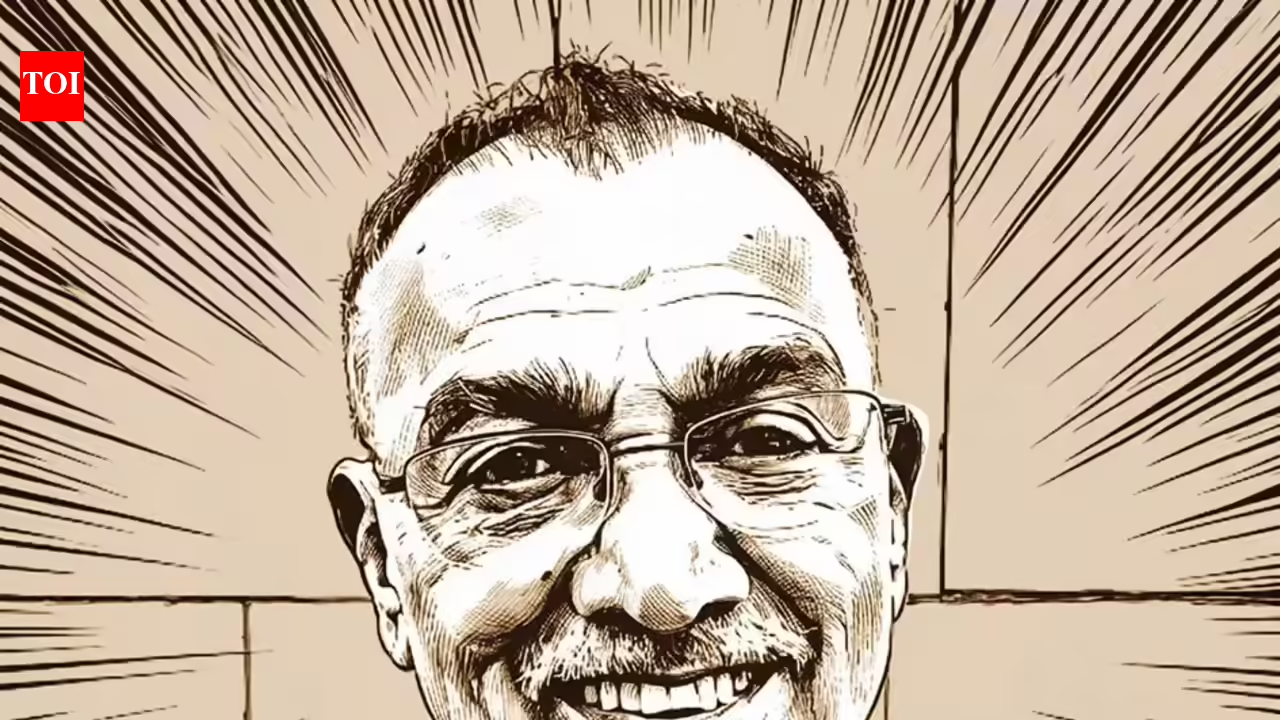







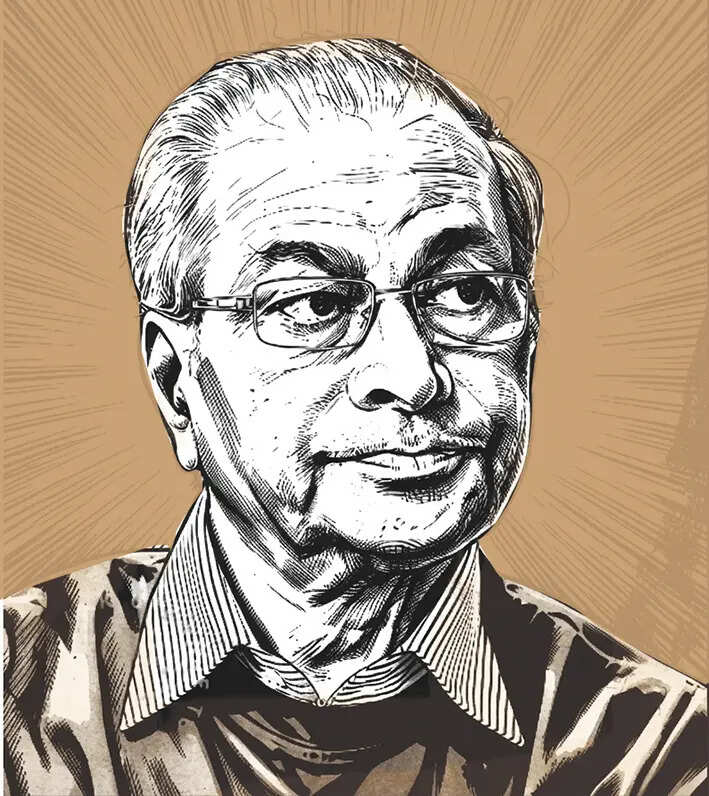
Before June 18, 1946, the movement for Liberation existed only at an intellectual level. Ram Manohar Lohia brought it onto the streets, addressing the historic gathering at Margao. The demand was civil liberties—freedom fighters had concluded that without basic freedoms, people could not organise, and any direct demand before Salazar’s regime would be futile. Satyagraha was chosen as the path forward.Three months later, at a Londa meeting, the question of leadership after Lohia’s departure arose. My father, Laxmikant Bhembre,volunteered. He led a satyagraha in Margao, was arrested, and then imprisoned in Portugal. When satyagraha yielded no results, some fighters turned to armed resistance. However, neither moved the Portuguese. Freedom fighters then demanded Indian military intervention—and Goa was liberated on Dec 19, 1961. What followed was a historic missed opportunity. After the first post-Liberation election, no MLA barring Gajanan Raikar had any connection with the freedom movement. Congress lost, partly because the merger controversy with Maharashtra split society along religious and caste lines, bringing MGP to govt. MGP, formed only in 1963 with no socio-economic agenda beyond merger, lacked vision. Six years—at a time when PM Nehru was favourably disposed toward granting Goa special status or constitutional safeguards—were squandered.After 1980, Congress assumed governance. Politics became business, and corruption took root. The Gambling Act was amended, opening the floodgates to casinos. Liquor licences were handed out without restriction. The hippie influx during MGP rule went unchecked. No thought was given to regulating migration once the Constitution was extended to Goa.The goals of the freedom fighters were never translated into governance. Those who assumed office had no goals at all—and things have only worsened since.(Sahitya Akademi laureate Uday Bhembre spoke to Govind Maad)