



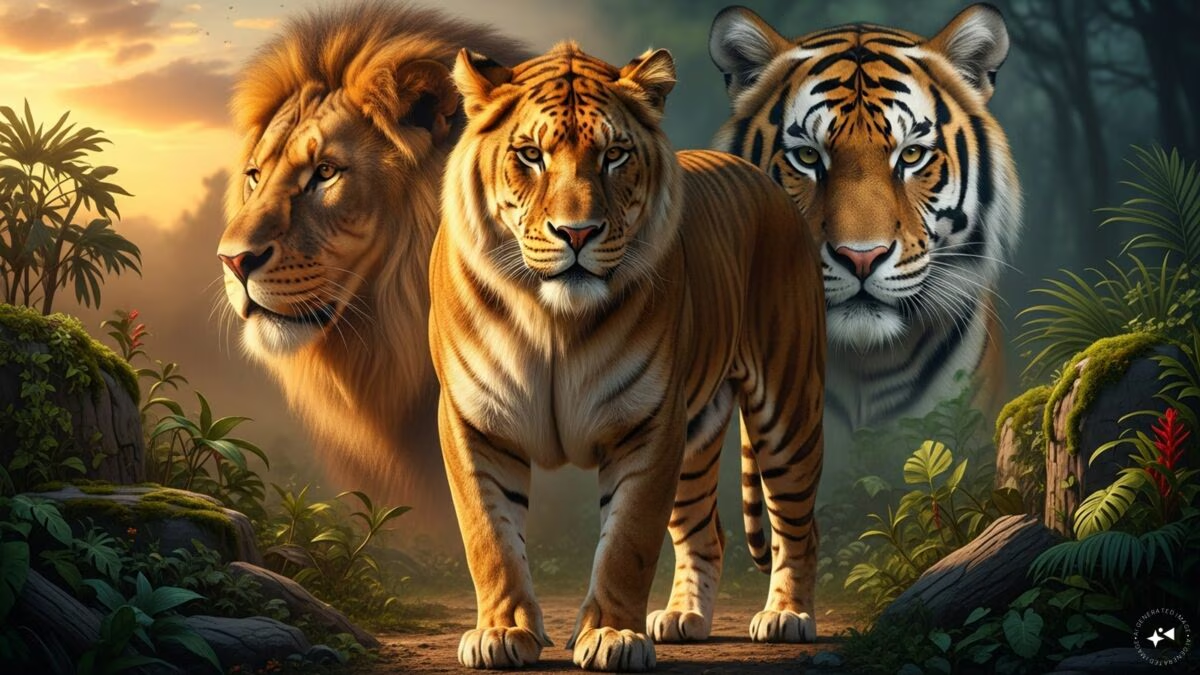
Ligers are among the most extraordinary and controversial animals in the world. Born from a male lion and a female tiger, these rare hybrids often grow larger than either of their parent species, earning them the title of the world’s biggest cats. Their striking appearance and enormous size have made them internet sensations and popular attractions in some zoos and wildlife facilities. However, behind the fascination lies a growing ethical debate, with conservationists and animal welfare experts questioning whether these hybrid animals should be bred at all. Here’s everything you need to know about ligers, from their unique traits to the concerns surrounding their existence. (Image: education.turpentinecreek.org)
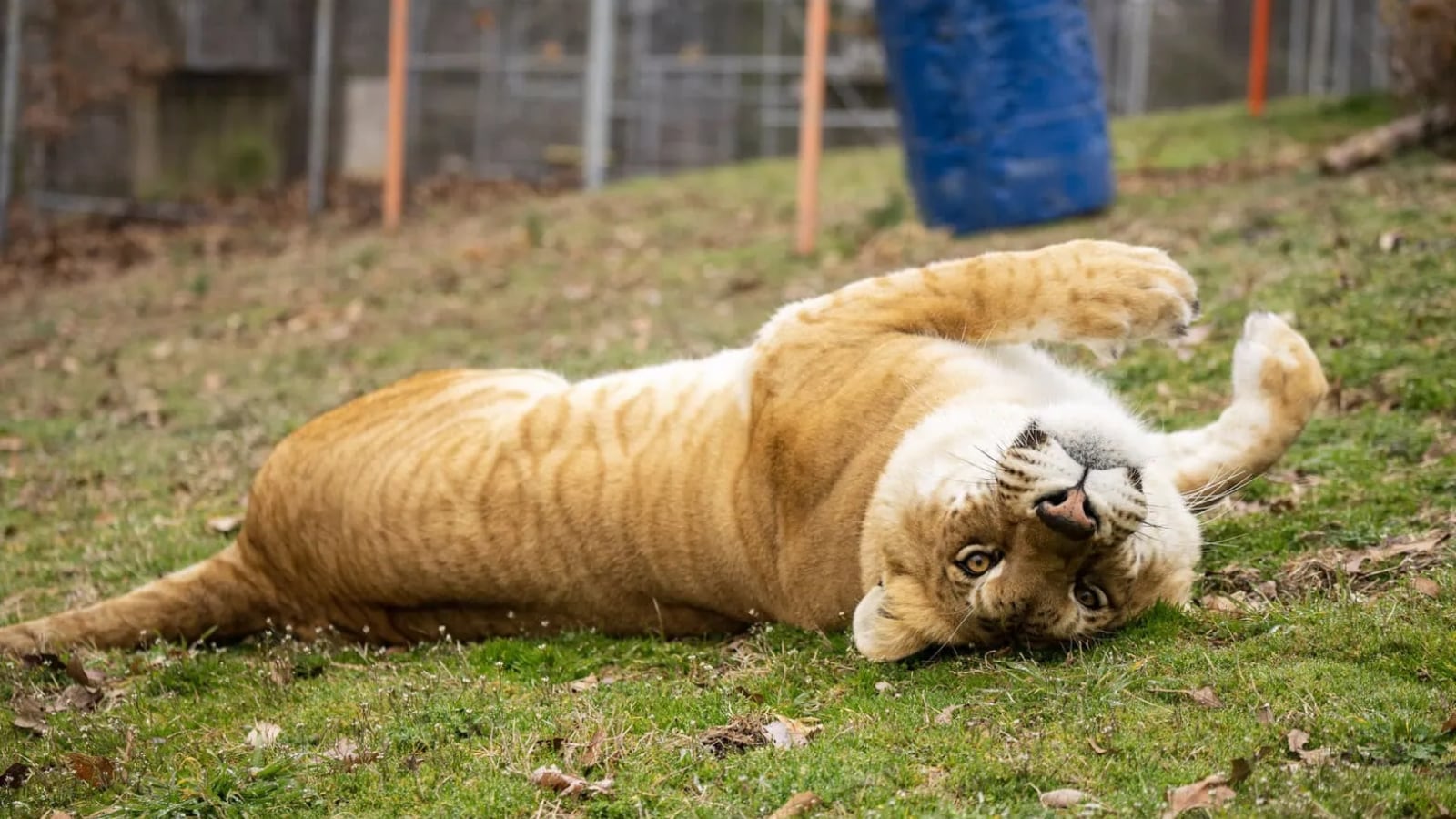
What Is A Liger? A liger is a hybrid big cat born from a male lion and a female tiger. Combining traits from both species, ligers are known for their massive size, faint tiger stripes, and lion-like features. They do not occur naturally in the wild and are almost exclusively bred in captivity. (Image: Pexels)
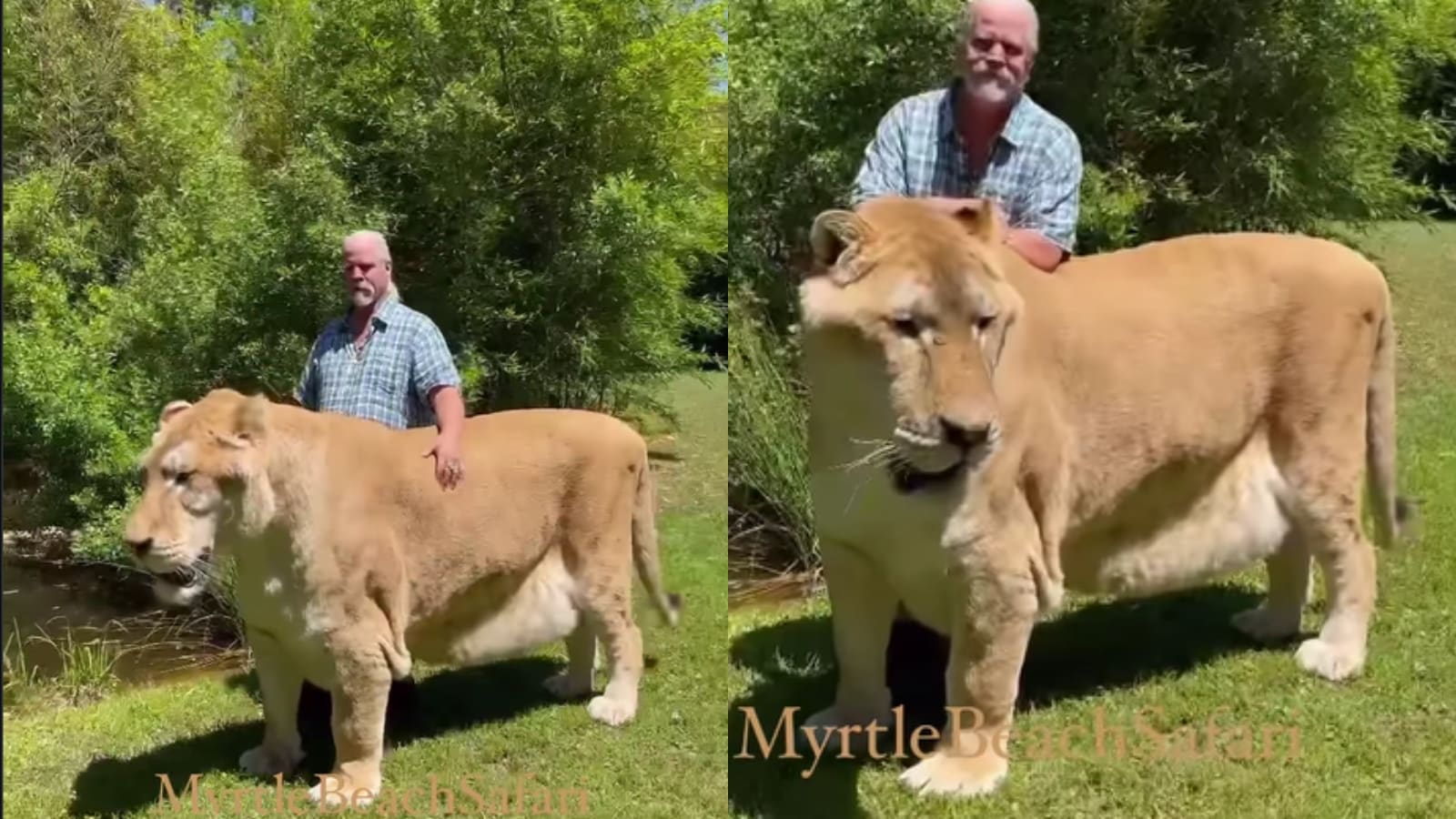
Why Are Ligers So Big? Ligers are the largest cats in the world, often growing bigger than both lions and tigers. Some can weigh over 400 kg. Experts believe their enormous size results from the unique combination of growth genes inherited from their lion and tiger parents. (Image: Instagram/@@docantle)
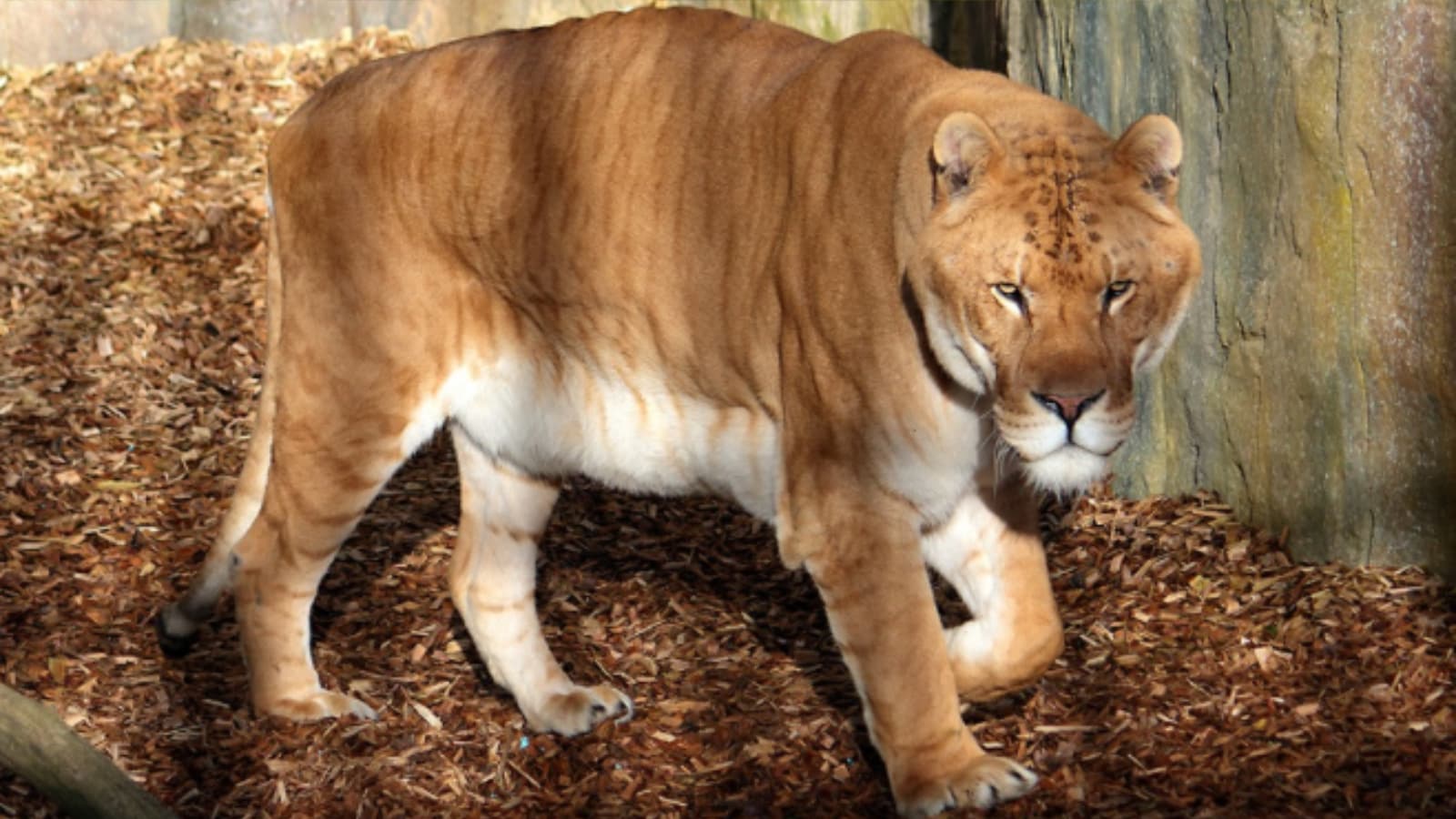
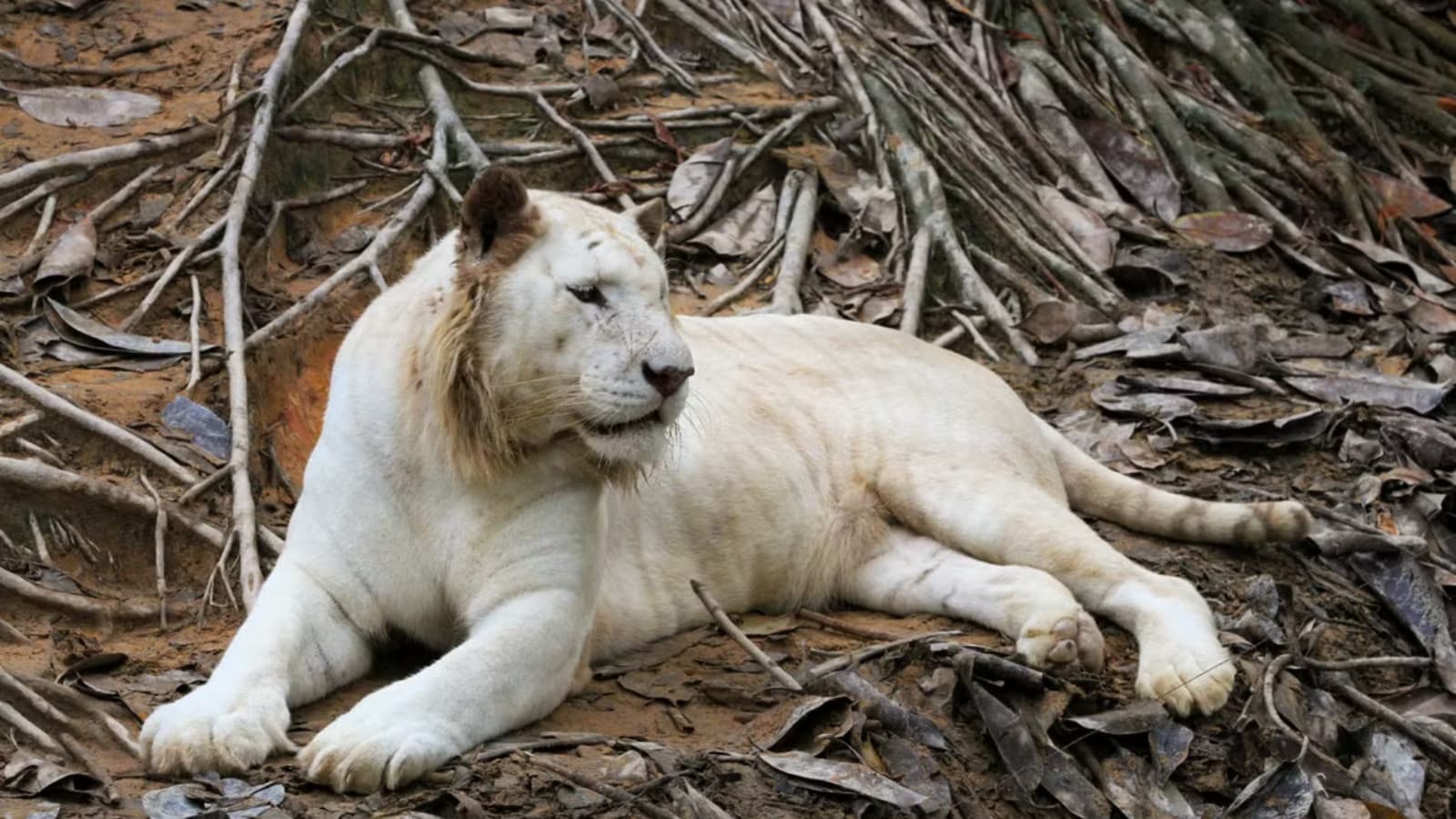
What Do Ligers Look Like? Ligers typically have sandy-gold fur similar to lions, along with faint tiger stripes. Male ligers may develop a small mane, though it is usually less prominent than that of a lion. Their appearance varies depending on genetics. (Image: @animalworldus)
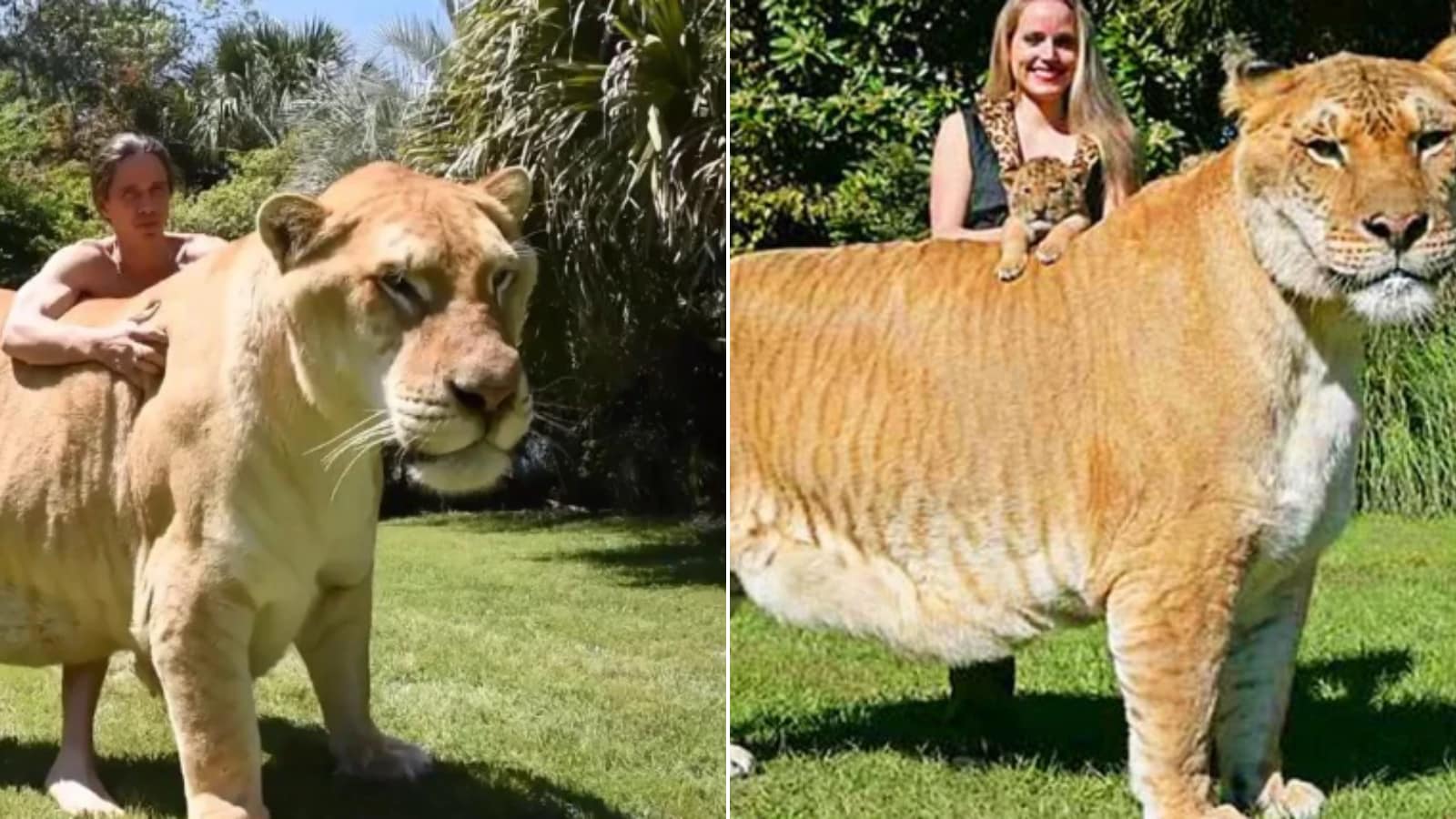
Can Ligers Live In The Wild? No. Ligers do not naturally exist in the wild because lions and tigers live in different habitats and regions. As hybrids bred in captivity, they lack a natural ecosystem and are unable to establish wild populations. (Image: Reddit – Pranav2673/Consistent-Gap-7120)
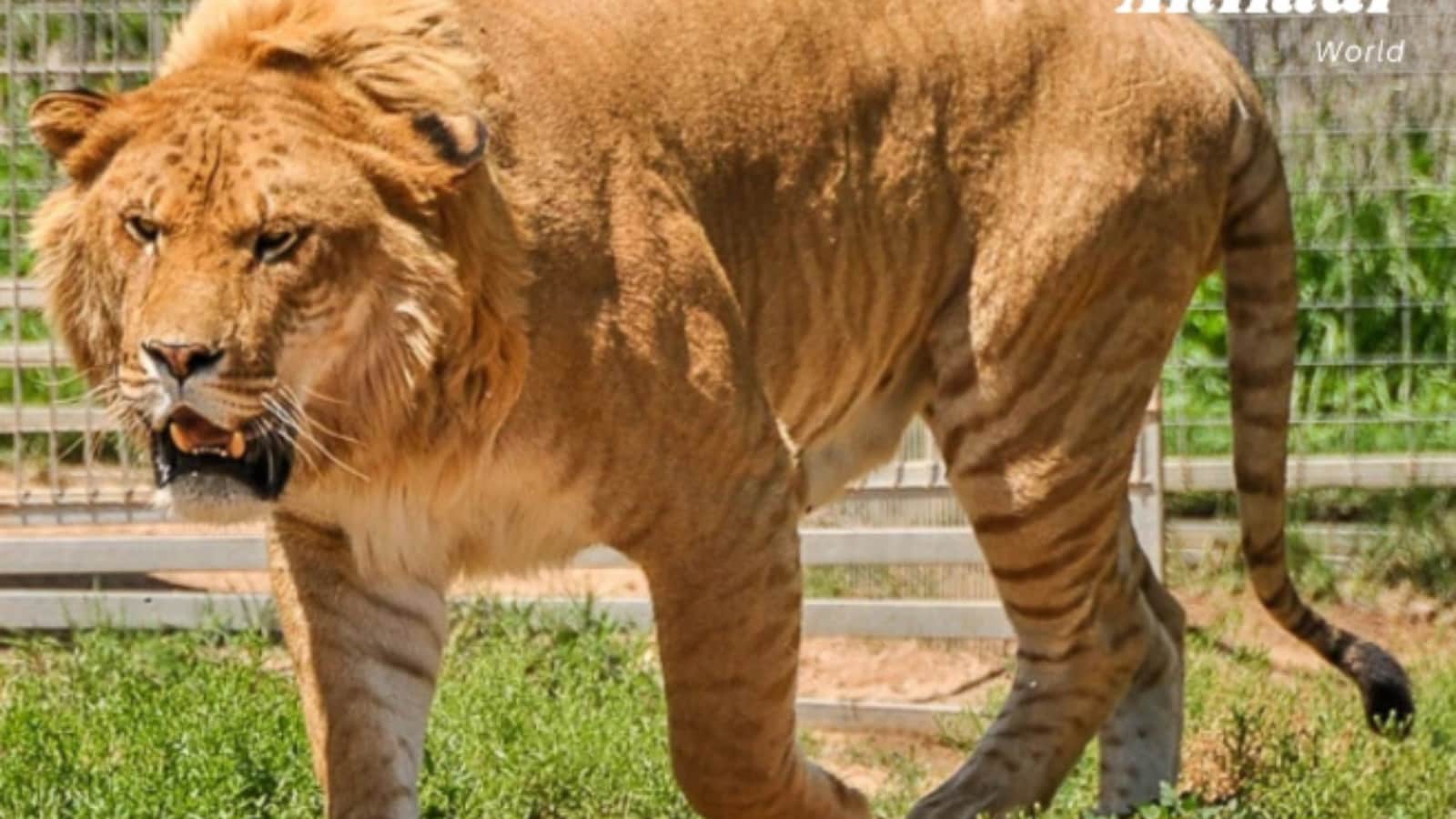
Why Is Liger Breeding Controversial? Many conservationists and animal welfare experts oppose breeding ligers. They argue that hybrid breeding does not contribute to the conservation of either lions or tigers and may compromise animal welfare. Critics believe resources should instead focus on protecting endangered species in the wild. (Image: @animalworldus)