








Last Updated:
Some of the world’s most common foods, including tomatoes, potatoes and lobster, were once feared, rejected or even blamed for disease.




News18
It is difficult to imagine modern life without tomatoes, potatoes or chocolate. But many foods considered completely normal today were once viewed with suspicion, fear or outright disgust.
Some were blamed for deadly illnesses. Others were associated with poverty, poison or even the devil. In several cases, people refused to eat them for centuries before they eventually became everyday staples.
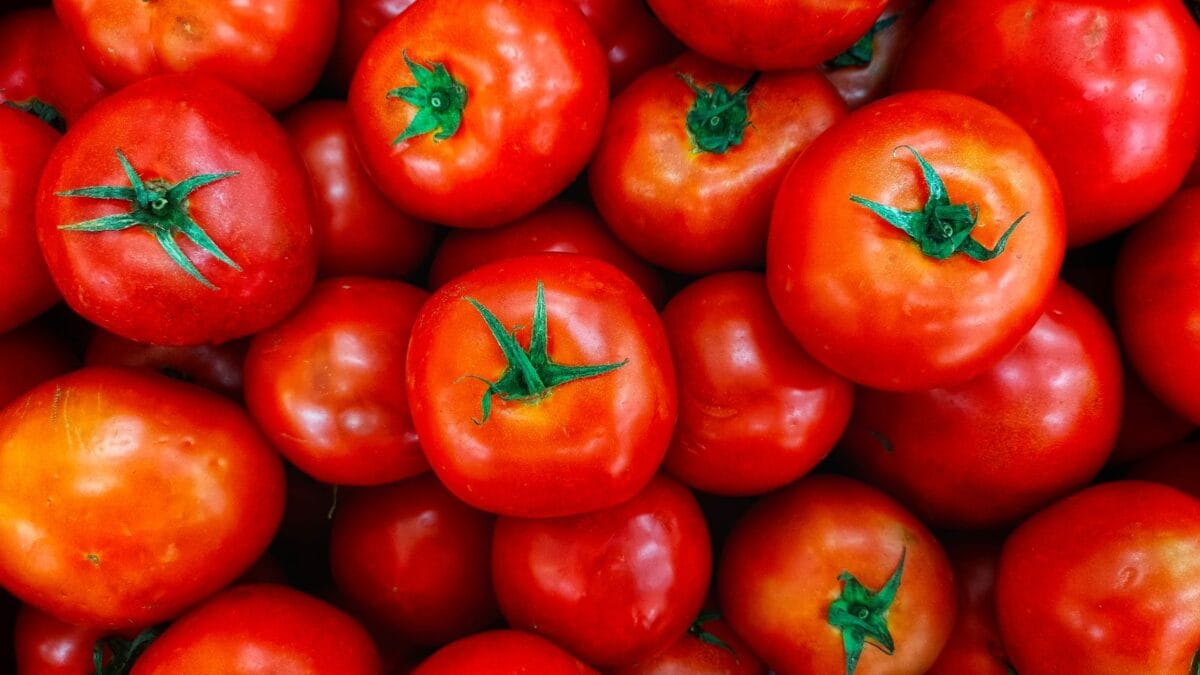
1. Tomatoes were once believed to be poisonous
Tomato terrified many Europeans when they first arrived from the Americas during the 16th century.
Part of the fear came from the fact that tomatoes belong to the nightshade family, which also includes several toxic plants. Wealthy Europeans sometimes became ill after eating tomatoes on pewter plates because the fruit’s acidity caused lead to leach from the metal.
Many people blamed the tomatoes instead of the plates.
For years, tomatoes were grown mainly as decorative plants rather than food.
2. Potatoes were accused of causing disease and witchcraft
Potato also struggled badly when introduced across Europe.
Because potatoes grew underground and were not mentioned in the Bible, many people distrusted them immediately. Some communities associated potatoes with leprosy, evil spirits and even witchcraft.
In parts of France during the 18th century, potatoes were temporarily restricted before eventually becoming accepted during famines and wars when governments realised how valuable they were as reliable food crops.
3. Lobster used to be considered poor people’s food
Lobster was once viewed very differently from the luxury delicacy it is today.
In colonial America, lobsters were so abundant that they were commonly fed to prisoners, servants and labourers. Historical accounts suggest some workers even complained about eating lobster too often.
Over time, restaurant culture and improved transport transformed lobster into one of the world’s most expensive seafood dishes.
4. Religious leaders were concerned about chocolate
When chocolate arrived in Europe from the Americas, it posed many questions to religious authorities.
Because of its exotic nature and unknown origin, drinking cacao drinks was a topic of religious debate since it was deemed rich and arousing.
In the period of European discovery, there was not much knowledge about many products of the New World.
5. There was good reason why mushrooms were frightening
Mushrooms were something that made ancient people frightened. As opposed to other food-related superstitions, mushrooms were seen as dangerous to health since there was often little difference between poisonous and harmless ones.
The Ancient Greeks already knew about mushrooms being dangerous to consume through famous authors like Euripides and Hippocrates.
6. Coffee posed a social threat to society
In its early years, coffee provoked a wave of opposition in many European and Middle Eastern countries.
Coffee and coffeehouses were declared morally corrupting as coffeehouses served as meeting places for discussion and controversy.
Rulers attempted a ban on consuming coffee because coffeehouses threatened order and stability of the state.
7. Sushi initially disgusted many Western diners
Sushi struggled to gain acceptance outside Japan for decades.
In Europe and North America, many people initially viewed raw fish as unsafe, strange or deeply unappetising. Sushi only became globally mainstream later with improvements in refrigeration, international travel and changing food culture.
Today it is one of the world’s most recognisable cuisines.
Fear of unfamiliar foods has happened throughout history
What connects many of these stories is simple unfamiliarity. Foods arriving from distant countries often looked strange, smelled unusual or behaved differently from ingredients people already trusted. In many cases, people confused contamination, bad preparation methods or unrelated illnesses with the food itself being dangerous.
And yet many of those same foods eventually became symbols of comfort, luxury or everyday life.
Which makes the transformation especially fascinating.
Some of the foods now considered completely ordinary were once viewed with the same suspicion many people today reserve for lab-grown meat, insects or futuristic experimental foods.
Read More