







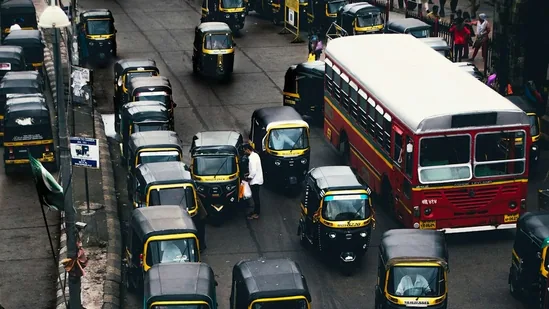
For many people moving between two of India’s biggest cities, the biggest adjustments are often traffic, weather, housing costs or daily commute. But for talent acquisition manager Mayank Kumar, the most surprising culture shock after shifting from Bengaluru to Mumbai was something far more unexpected: auto rickshaws.

In a LinkedIn post that has resonated with many professionals online, Kumar shared how a simple auto ride in Mumbai left a lasting impression on him, and even reminded him of an important lesson about candidate experience in recruitment.
The biggest culture shock
Kumar began his post by describing his recent move to Mumbai.
“Shifted from Bangalore to Mumbai recently. And unexpectedly… the biggest culture shock wasn’t traffic, weather, or rents. It was auto rickshaws,” he wrote.
Comparing his experiences in the two cities, he joked that getting an auto in Bengaluru could sometimes feel like “clearing a final interview round.”
“Back in Bangalore, booking or stopping an auto sometimes felt like clearing a final interview round,” Kumar said.
He listed a familiar sequence of interactions with auto rickshaw drivers that many Bengaluru residents might recognise. These would typically include the driver asking for cash, refusing to go by meter, or asking the customer to cancel the ride altogether.
“Mumbai though? Completely different experience,” he added.
Auto driver helps without charging money
Kumar recalled staying at a hotel where reaching the main road required what he described as “a mini trekking expedition uphill.”
One day, he spotted an auto that had just dropped off a passenger and asked the driver if he could take him to Lokhandwala.
The driver declined, but not in the way Kumar expected.
“He politely said: ‘Sorry sir, I have another schedule at 10:30. If I take your ride, I won’t make it back in time,'” Kumar wrote.
What happened next surprised him. The auto driver offered to drop Kumar till the main road, free of charge.
“But then he said: ‘Sir, hop in. I’ll at least drop you till the main road so you get another auto easily.'”
Kumar admitted that his past experiences had made him sceptical. “Now the Bangalore survivor in me immediately thought: ‘This is where the negotiation starts’,” he thought.
But the driver refused to take his money. “He dropped me to the main road, refused to take money, stopped another auto himself and told him: ‘Sir is new here, please take him to Lokhandwala.'”
‘No negotiation. No route drama’
The second auto ride was equally smooth, according to Kumar. The talent acquisition specialist said that the auto rickshaw driver immediately started the meter and did not try to negotiate the fare.
“Meter down automatically. No negotiation. No route drama. No emotional damage.”
He added that the fare ended up being lower than what ride-hailing apps had estimated — “And the funniest part? The fare was LOWER than Ola/Uber estimates,” wrote Kumar.
The experience left enough of an impression that it prompted him to think about his own profession in recruitment.
A lesson
The encounter also reminded Kumar of an important lesson from his profession. He said candidate experience is often shaped not by large employer-branding initiatives but by “the small human moments” that make a stressful process easier.
Drawing a parallel with the helpful auto driver, Kumar pointed to “the recruiter who keeps candidates updated”, “the hiring manager who respects interview timings” and “the coordinator who helps without being asked” as examples of professionals who leave a lasting impression. As he put it, “People remember ease. People remember respect.”
Kumar added that every city comes with its own trade-offs. While Bengaluru offers the “best climate” but often involves “toughest auto negotiations”, Mumbai’s “humidity tests your soul”, he joked.
At the same time, he said the city is home to “some of the most helpful people” he has met. Reflecting on his experience so far, Kumar concluded that if auto rickshaws are Mumbai’s “cultural ambassadors”, they are doing “a phenomenal job”.