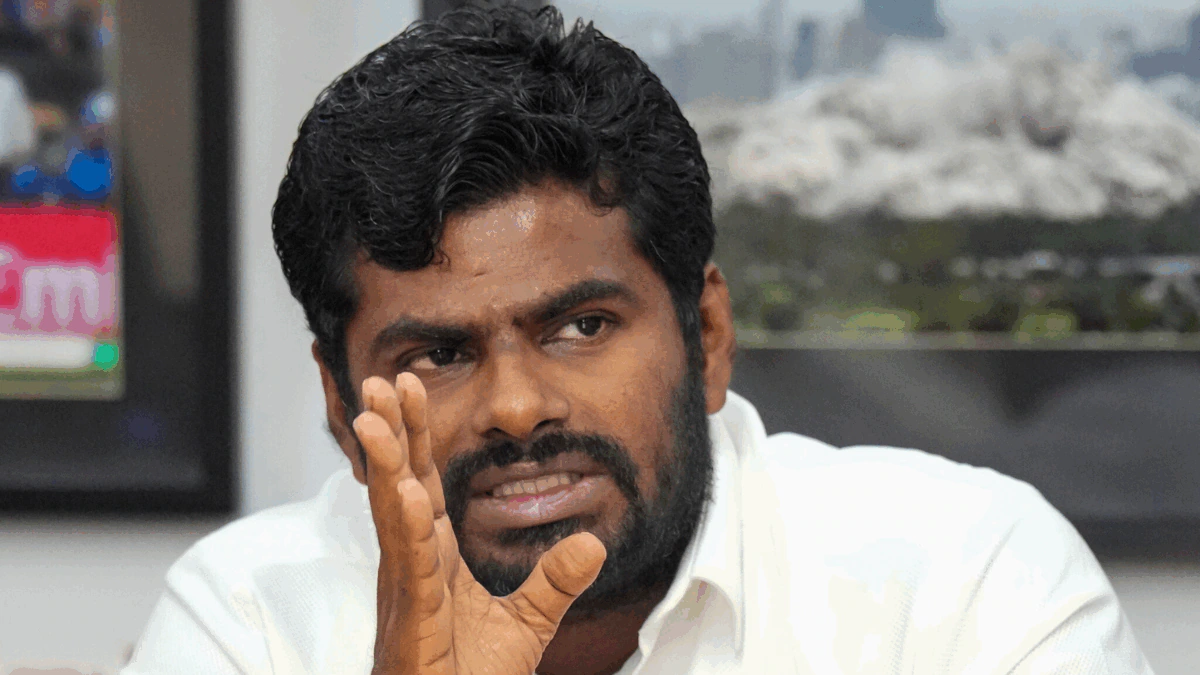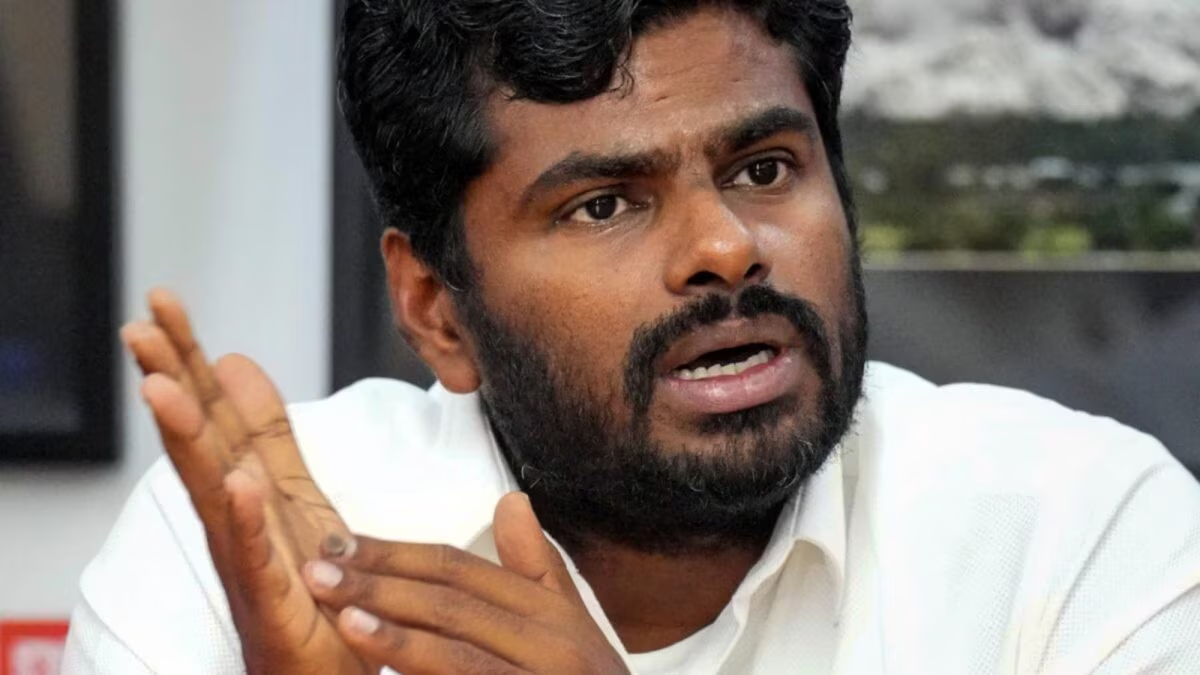







BJP MLA Bishal Lama was sworn in as Minister of State in the West Bengal cabinet on Monday — the first Gorkha neta to hold a state ministerial berth in 55 years. The last was the late Deo Prakash Rai in 1971. For a community that has long felt sidelined in Bengal politics, the moment carried the weight of more than half a century of waiting.

“BJP has reposed faith in me by giving me this responsibility,” Lama was quoted by The Times of India. “Ensuring security, dignity and justice for our community is crucial.” A two-time MLA from Kalchini (ST), Lama retained his seat in the 2026 assembly elections with 1,14,759 votes — defeating his Trinamool rival by a commanding margin of 37,843 votes.
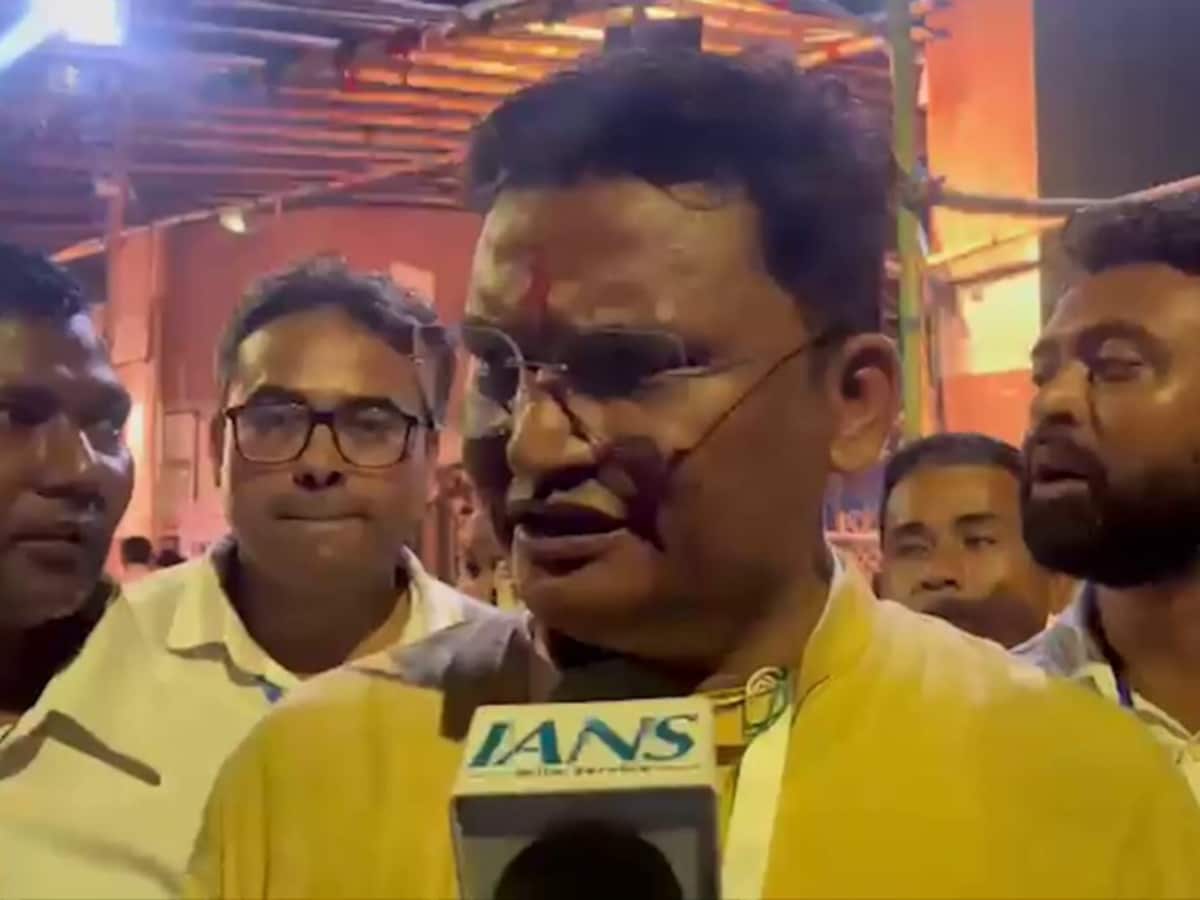
Analysts say Lama’s induction is significant not just for the Dooars but for the wider Gorkha population across north Bengal and the Darjeeling Hills — a region that has historically punched below its political weight in Nabanna’s corridors. “After being deprived of adequate representation, a ministerial berth after 55 years shows attention is finally being focused on us,” Lama said.
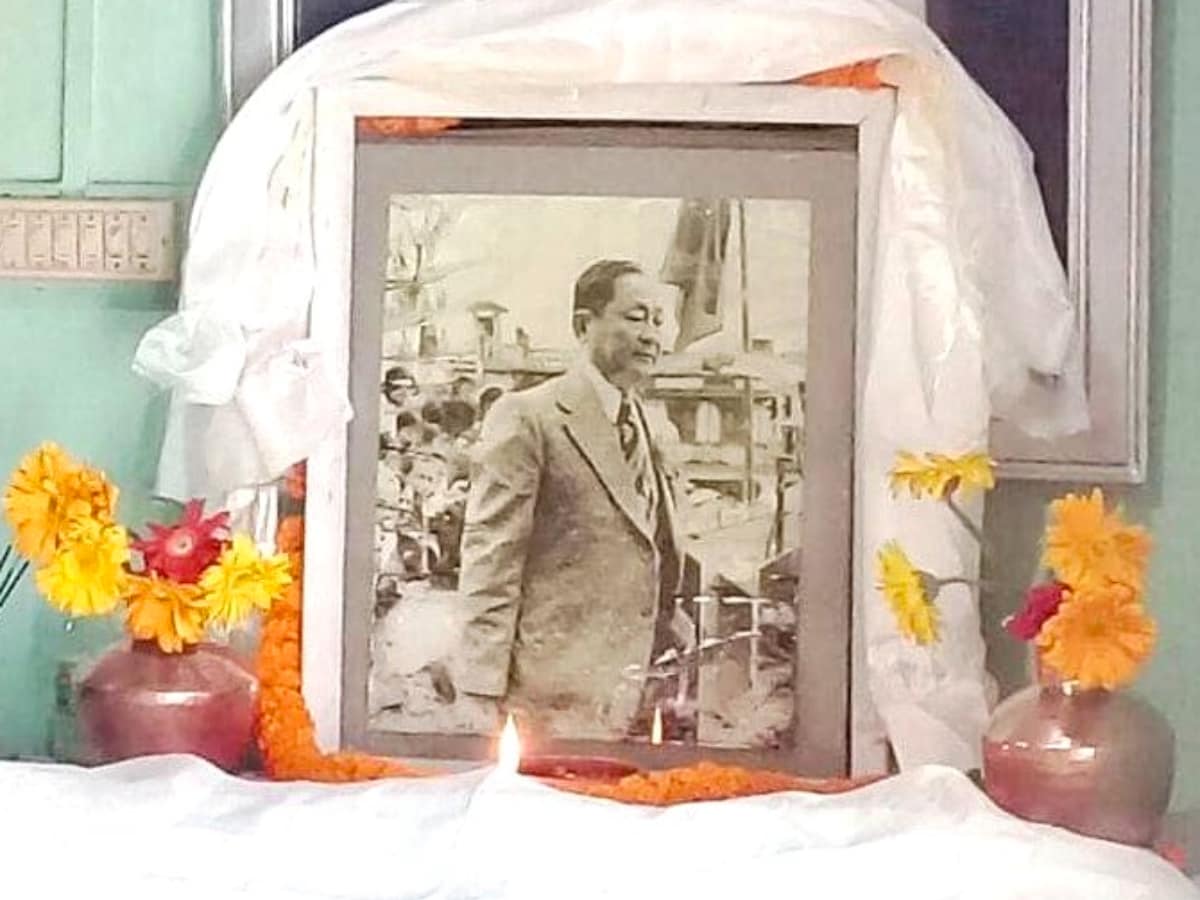
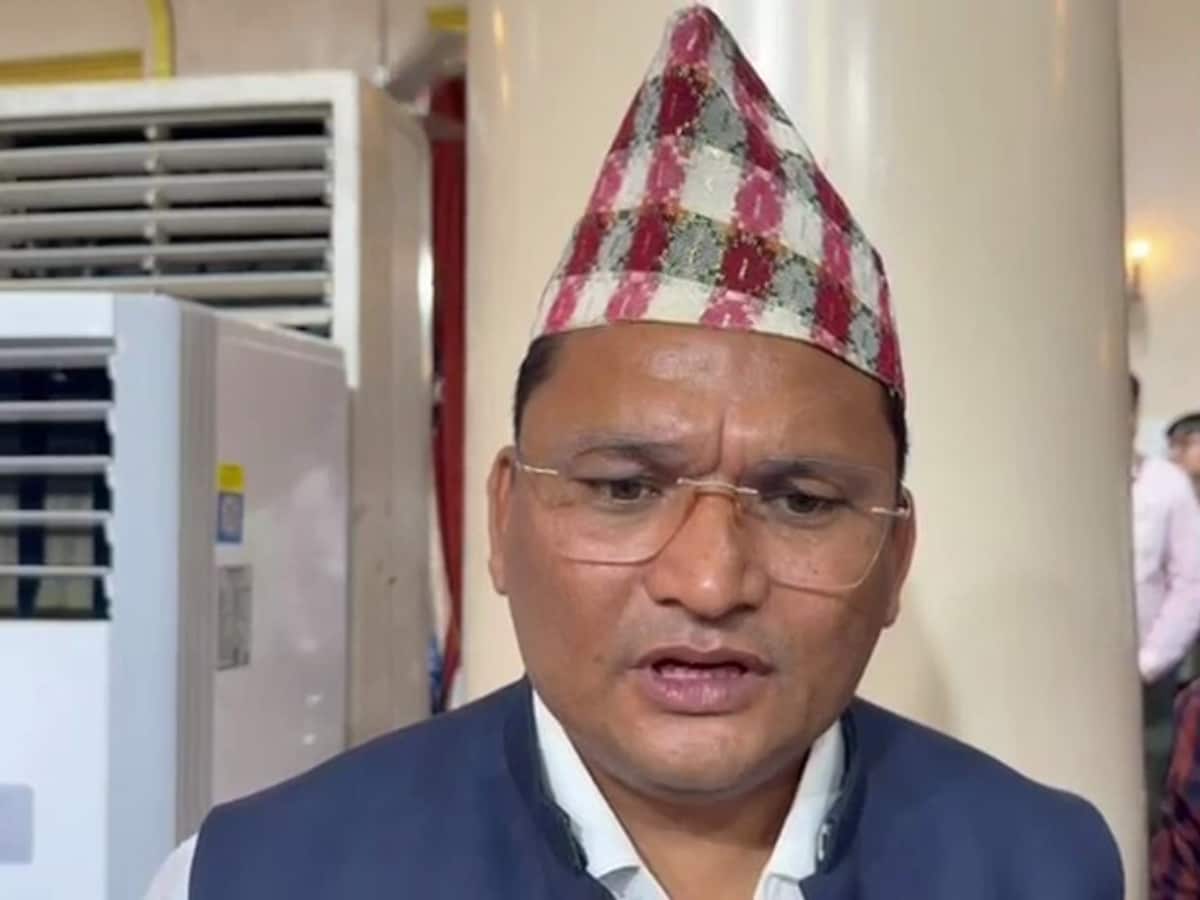
Lama’s elevation has revived memories of Deo Prakash Rai (in photo) — the dominant political voice of the Hills for nearly 25 years, who served in three successive state cabinets yet could never resolve the question of administrative autonomy for the region. His niece Indira Rai, 77, a retired nursing superintendent from Darjeeling, told TOI her uncle “never distanced himself from ordinary citizens, even after becoming a minister.”
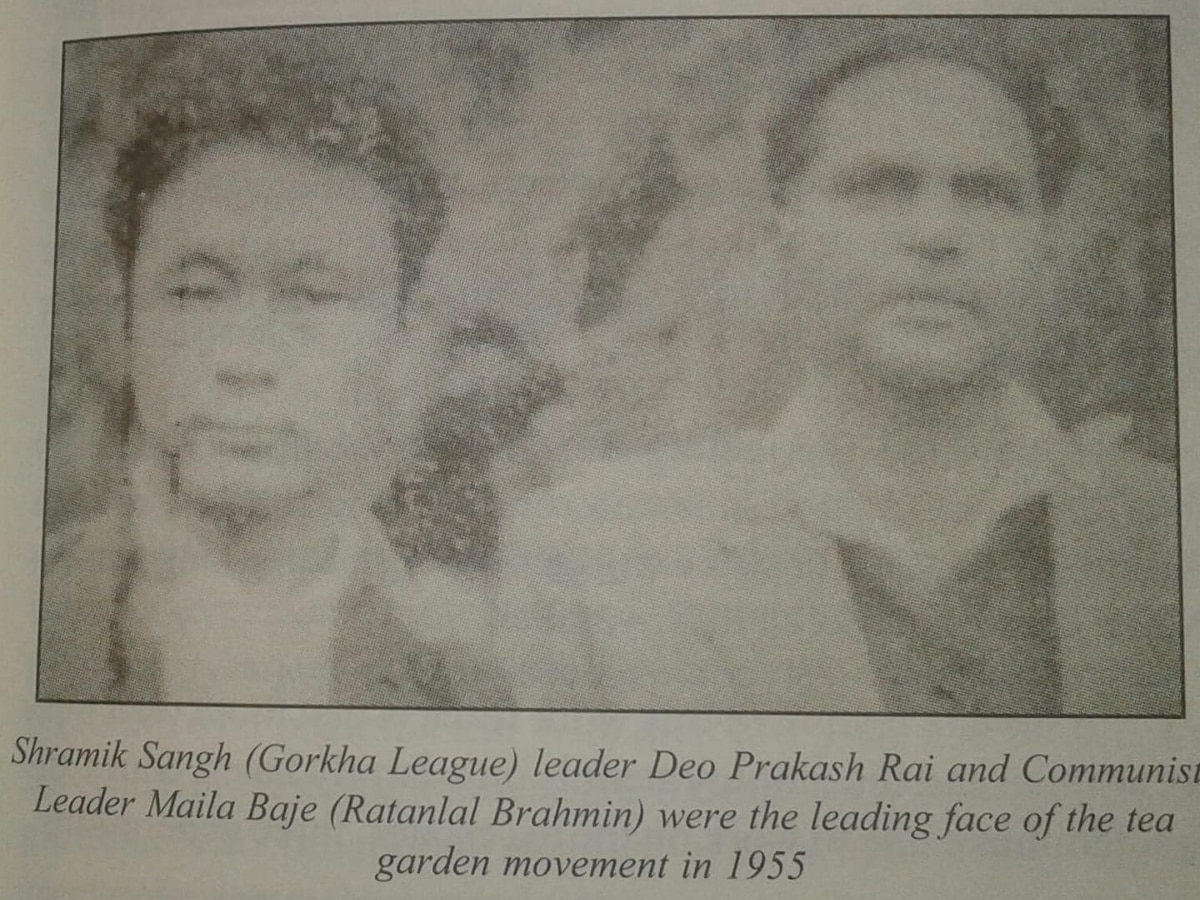
“For the Gorkha community, this is a proud and emotional moment,” Indira Rai was quoted by TOI. “After such a long gap, another Gorkha neta has found a place in Bengal government. We hope this representation will strengthen the voice of people of the Hills and Dooars.” Following Deo Prakash’s death in 1981, the All India Gorkha League gradually faded, giving way to the GNLF and other forces. (Facebook)
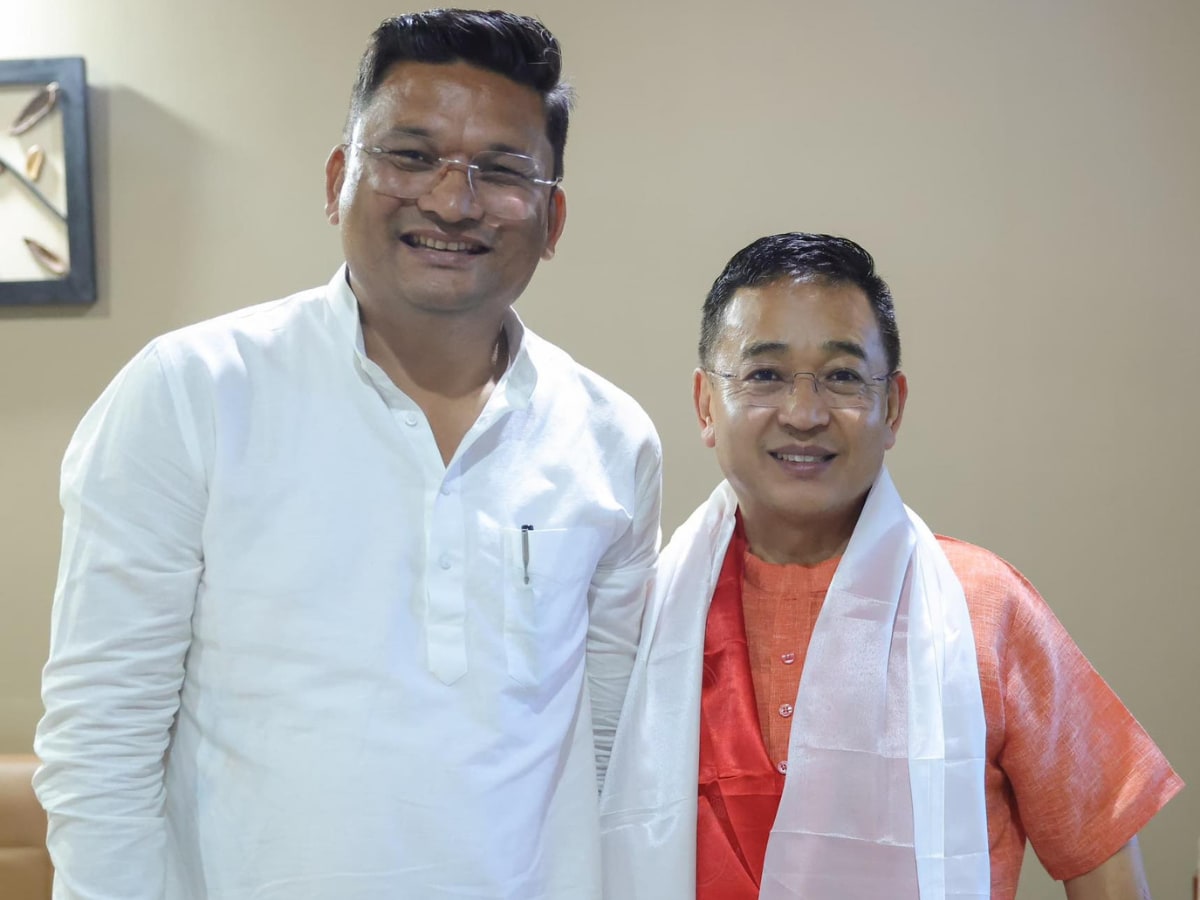
“This position comes with immense responsibility and significant challenges,” Lama was quoted, flagging tea garden land rights, development, and community dignity as priorities. Elected first in 2021, he now enters the cabinet with a stronger mandate and higher stakes — carrying the hopes of a community that spent 55 years without a voice at Bengal’s cabinet table. (Facebook)