








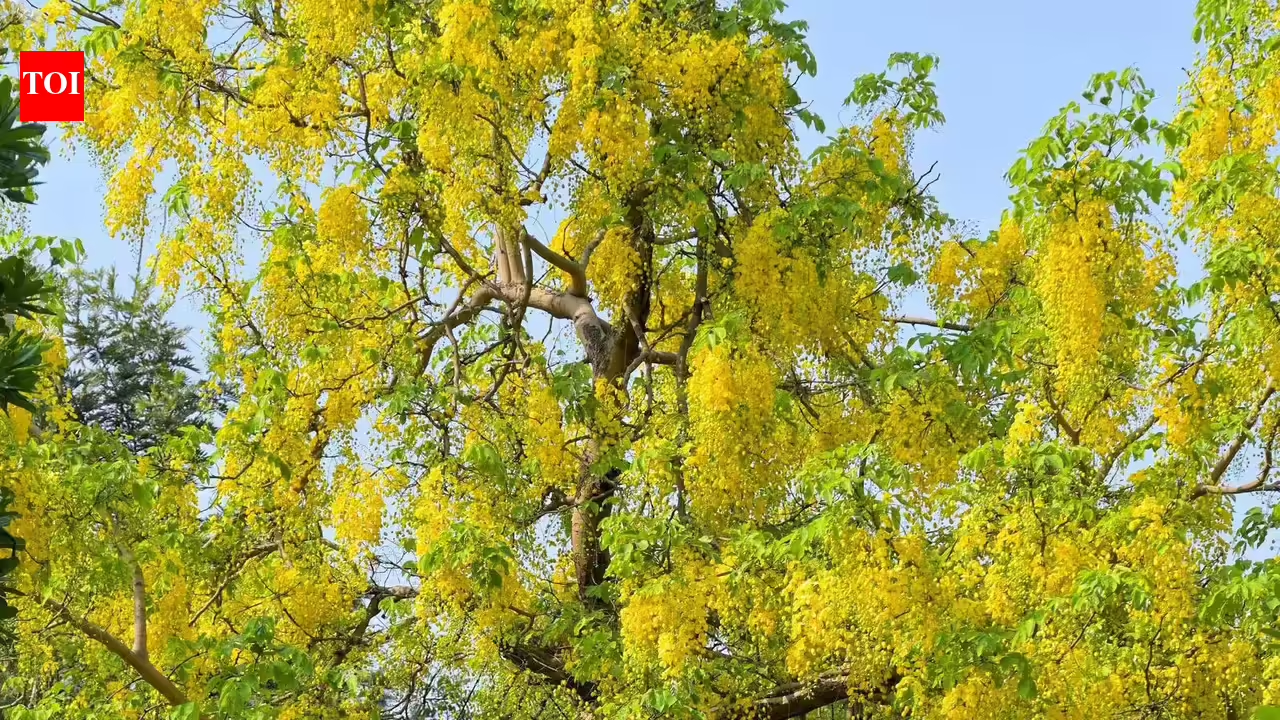
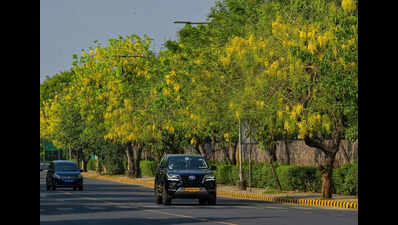
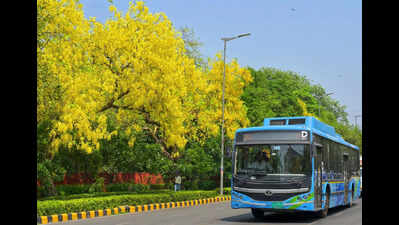
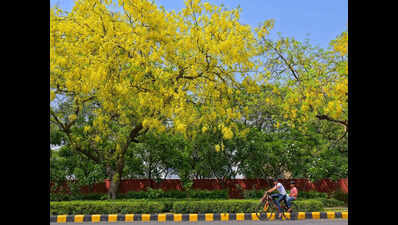
New Delhi: Hanging like chandeliers from branches scorched by Delhi’s ruthless summer sun, Amaltas trees have once again transformed the capital’s landscape into a fleeting spectacle of colour.At a time when intense heat empties out streets and shimmering asphalt dominates the city’s afternoons, the explosion of bright yellow blossoms arrives almost rebelliously — delicate, radiant and impossible to ignore. From the leafy boulevards of Lutyens’ Delhi to crowded colonies in south Delhi, university campuses and roadside avenues, the blooming trees don’t just announce the arrival of peak summer; they offer an unexpected pause.Scientifically known as Cassia fistula, Amaltas is often called the “Golden Shower Tree”. Unlike many flowering species that struggle during extreme heat, the tree thrives precisely when temperatures peak. Between April and June, it sheds most of its leaves before flowering, allowing the bright yellow blossoms to completely dominate the canopy. Under the blazing summer sun, the flowers appear almost like streams of liquid gold pouring from branches.Describing the tree as India’s “summer indicator”, naturalist Lakhan Kohli told TOI: “Amaltas is one of the most beautiful flowering trees found in India. Its flowering usually begins during March and April, which is why people consider it a natural sign that summer has arrived.”Kohli explained that the medium-sized deciduous tree, usually growing between 7 and 15 metres in height, belongs to the Fabaceae family and is found widely across the Indian subcontinent and Southeast Asia. “The flowers appear in long drooping bunches called racemes and brighten roadsides, forests, parks and gardens during the hottest months of the year,” he said.Beyond its striking appearance, experts say the tree plays an important ecological role in urban spaces increasingly struggling with rising temperatures and shrinking biodiversity. Its flowers attract bees, butterflies and other pollinators, while several animals feed on its fruit pulp and assist in seed dispersal. The species is also drought-resistant and survives well even in poor soil conditions, making it highly suitable for avenue plantations and afforestation drives in cities like Delhi.Dr Ashish Priyadarshi, director of horticulture, Municipal Corporation of Delhi, said native flowering trees such as Amaltas are important not only for beautification but also for climate resilience. “They make the green belts look more vibrant and can survive extreme heat conditions, while enhancing the beauty of roads and public spaces,” he added.According to Priyadarshi, Amaltas also has several medicinal benefits that many people are unaware of. “Different parts of the tree have been used in traditional medicine for centuries. The fruit pulp is commonly used as a mild natural laxative, while the bark, roots and leaves are traditionally associated with treatments for skin-related ailments and fever. In Ayurveda, Amaltas is valued for its cooling and medicinal properties,” he said.Meanwhile, for many Delhi residents, admiring the blooming Amaltas trees has become part of the summer season routine. Families often briefly stop their vehicles to admire the flowers, while photography enthusiasts and social media users search for the perfect frame of Delhi’s “golden roads”.“You step out irritated because of the heat, but these trees suddenly lift your mood,” said Meenakshi Gupta, a resident of Nehru Enclave in south Delhi. Aman Verma, who lives in Chanakyapuri, said the flowering season makes everyday commute more enjoyable. “Whenever I’m travelling with my daughter, she gets excited seeing the yellow flowers and starts making videos,” he said.“The moment the Amaltas blooms, Delhi changes,” said Radhika Sharma, a 36-year-old resident of Civil Lines. “Just like people wait for mangoes during summer, we wait for these flowers too. Despite the dry winds and rising temperatures, roads suddenly appear softer, brighter and almost cinematic. The long clusters of yellow flowers swaying above busy roads always enhance my mood.”According to urban planners and environmentalists, flowering native species like Amaltas hold increasing importance for rapidly urbanising cities. Apart from supporting biodiversity and improving air quality, such trees help soften the visual harshness of concrete-heavy landscapes. In a capital often defined by pollution, traffic and rising temperatures, the Amaltas quietly reminds Delhi that beauty, too, can survive the heat.